
February 18, 2026
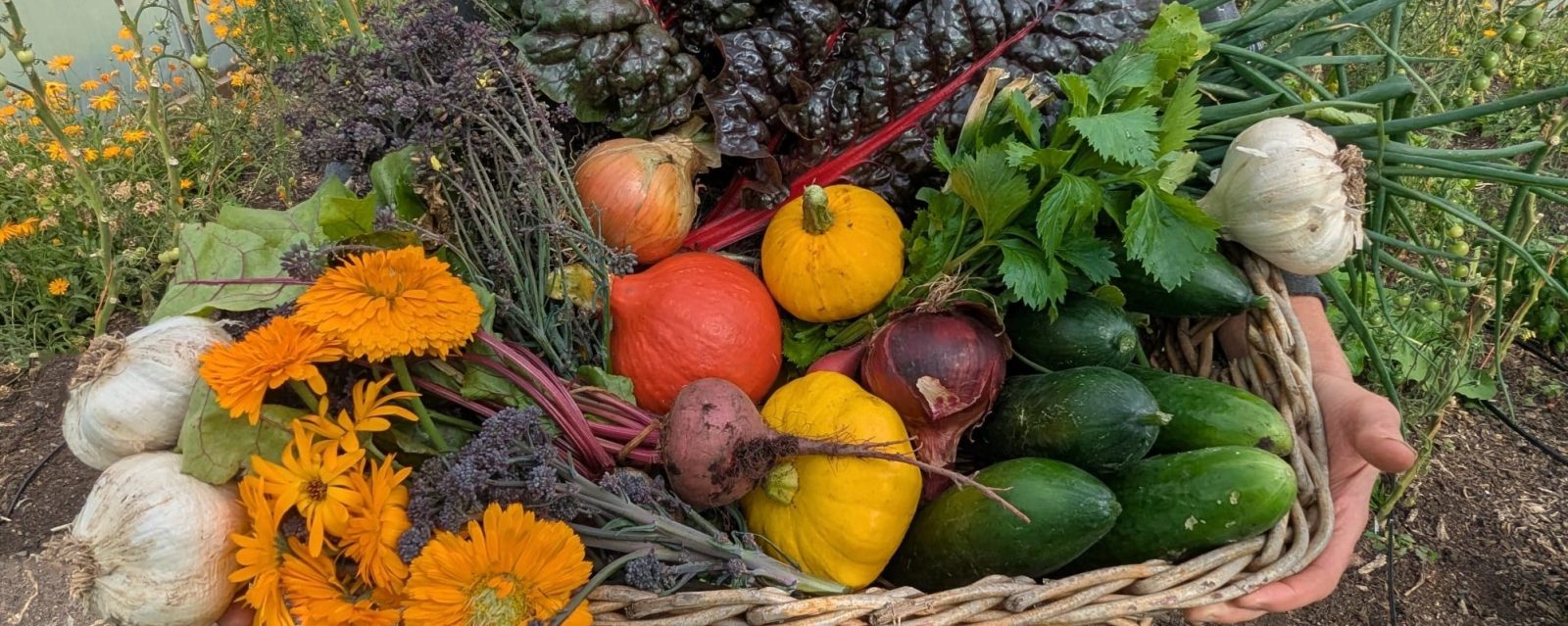
Our weekly veg bags reflect what’s growing on site so you’ll always received fresh, delicious, seasonal veg.
Here are some examples of what you can expect throughout the year.
Spring:
- Purple sprouting broccoli
- Oriental salad leaves
- Celeriac
- Cauliflower
- Onions
- Potatoes
- Chard
Summer:
- Broad beans
- Salad leaves
- Radishes
- Strawberries
- Cabbage
- Tomatoes
- Cucumber
- Courgettes
Autumn:
- Green chillis
- Aubergines
- Tomatoes
- Cucumbers
- Beetroot
- French beans
- Salad leaf mix
Winter:
- Kale
- Squash
- Coriander
- Parsnips
- Potatoes
- Spring onions
- Beetroot
May 19, 2025
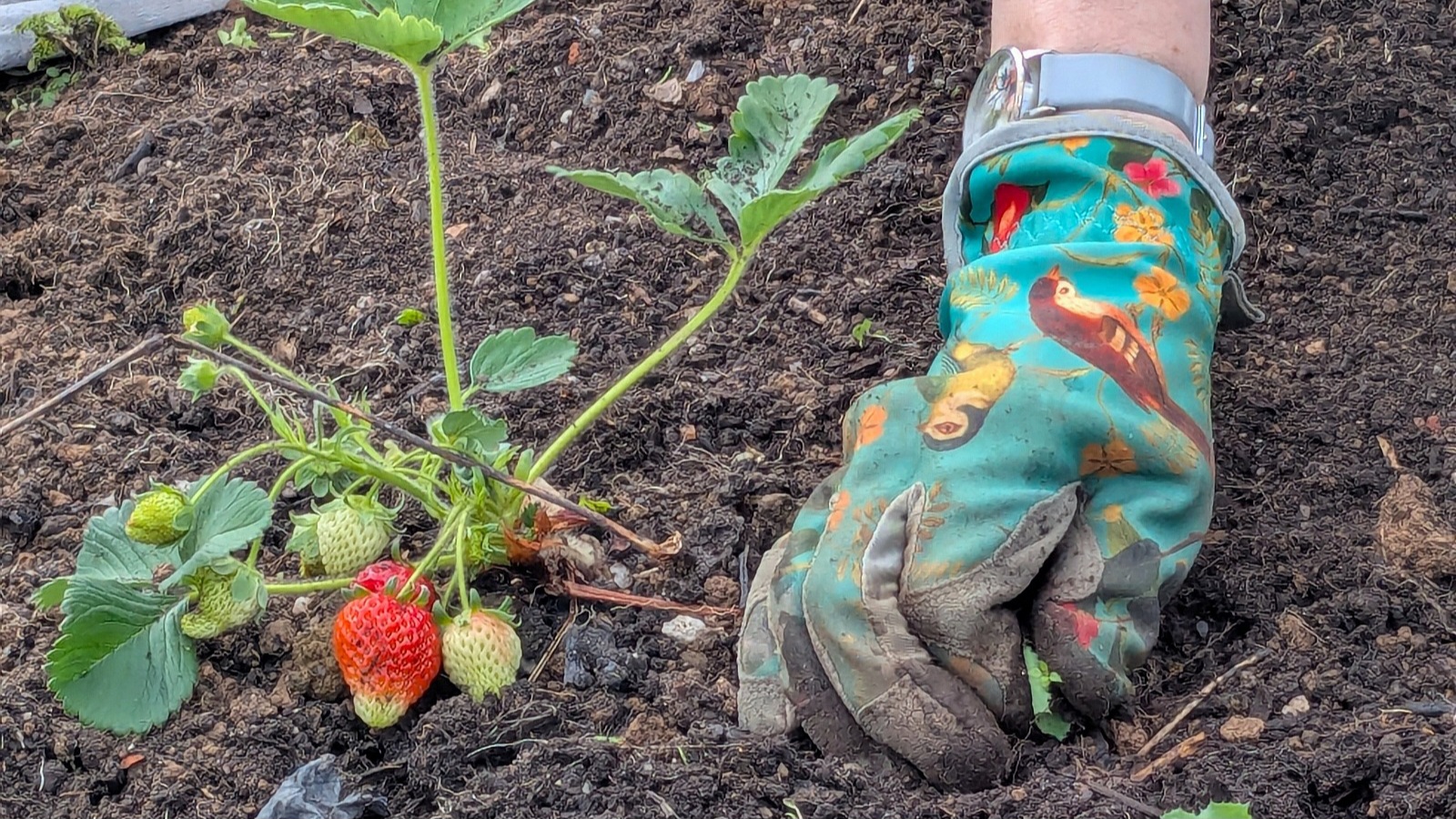
Our own strawberries are not quite ready yet, instead we all have a punnet from Tamara Summer Fruits, near Saltash.
Some of this week’s veg boxes also have a garlic scape – the long stalks with a flower head that grow out of garlic bulbs planted the previous autumn.
The tender green stalks are edible and tasty, with a mild garlic flavour. They’re delicious chopped and fried lightly, then scattered into salads, stirred through pasta dishes, or used to garnish risottos and pizza. More recipe suggestions here.
In this week’s veg shares:
*garlic scape or broad bean tops
*salad leaves ‘Salad Bowl’
*lettuce ‘Little Gem’
*radishes
strawberries (Tamara Summer Fruits, Saltash)
cabbage (Trerair Farm Shop, St Eval)
potatoes ‘Melody White’ (Trerair)
* = grown to organic principles. Please wash all veg thoroughly
Produce grown by Camel CSA, unless otherwise indicated
May 11, 2025
The selection of seasonal produce in our boxes this week reflects the time of year when we go through the annual ‘hungry gap’.
It’s when the winter crops have finished and many of the spring plantings aren’t yet ready to harvest.
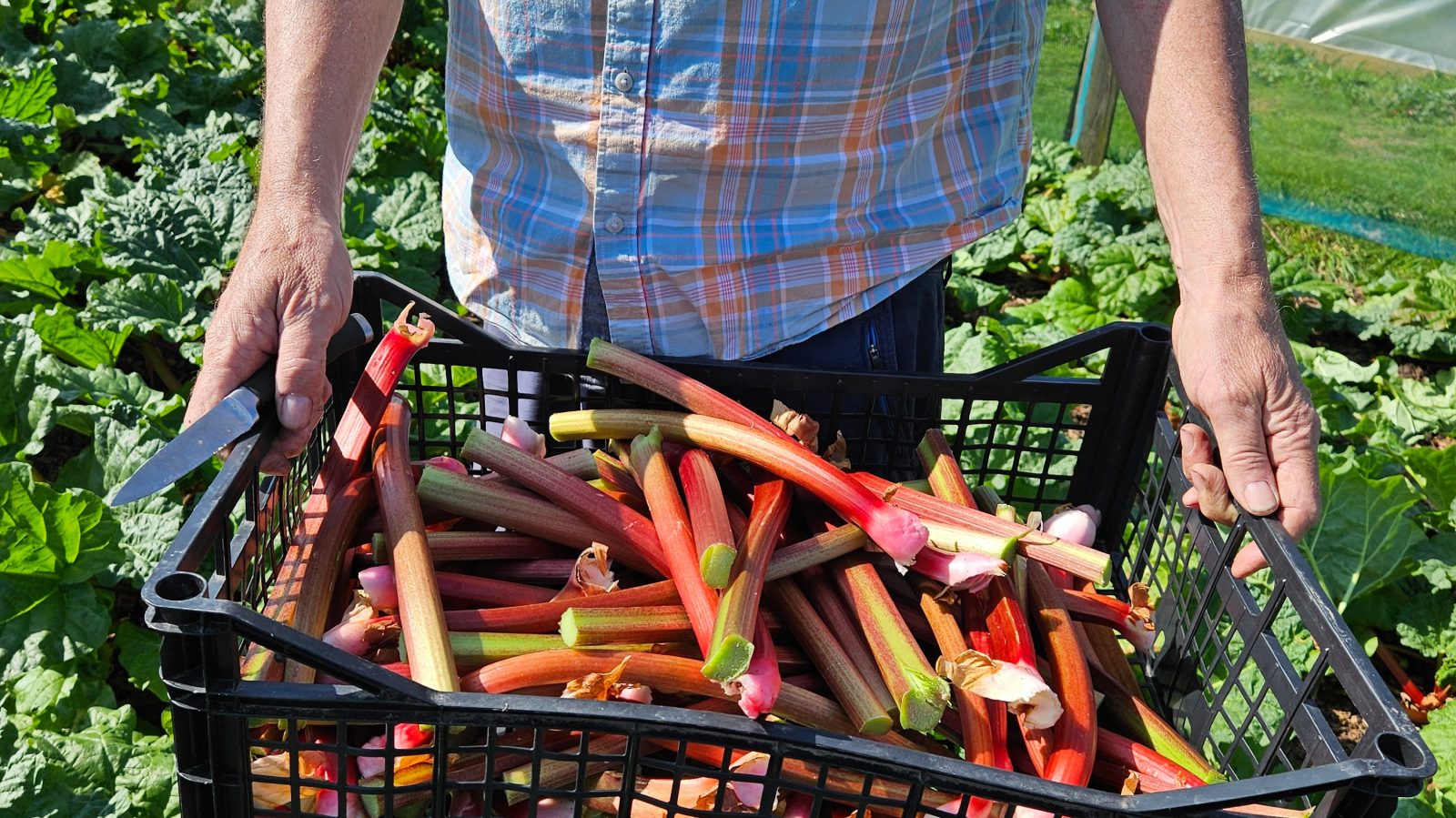
But we can always rely on our rhubarb bed for a reliable early crop!
In this week’s veg shares:
*rhubarb
*coriander or parsley / chives
*can of carlin peas (Hodmedod’s)
red cabbage (Trerair Farm Shop, St Eval)
potatoes ‘Manitou’ (Trerair)
spring greens (Continental Wholesale Fruits, Liskeard)
leeks (Continental)
* = grown to organic principles. Please wash all veg thoroughly
Produce grown by Camel CSA, unless otherwise indicated
April 21, 2025
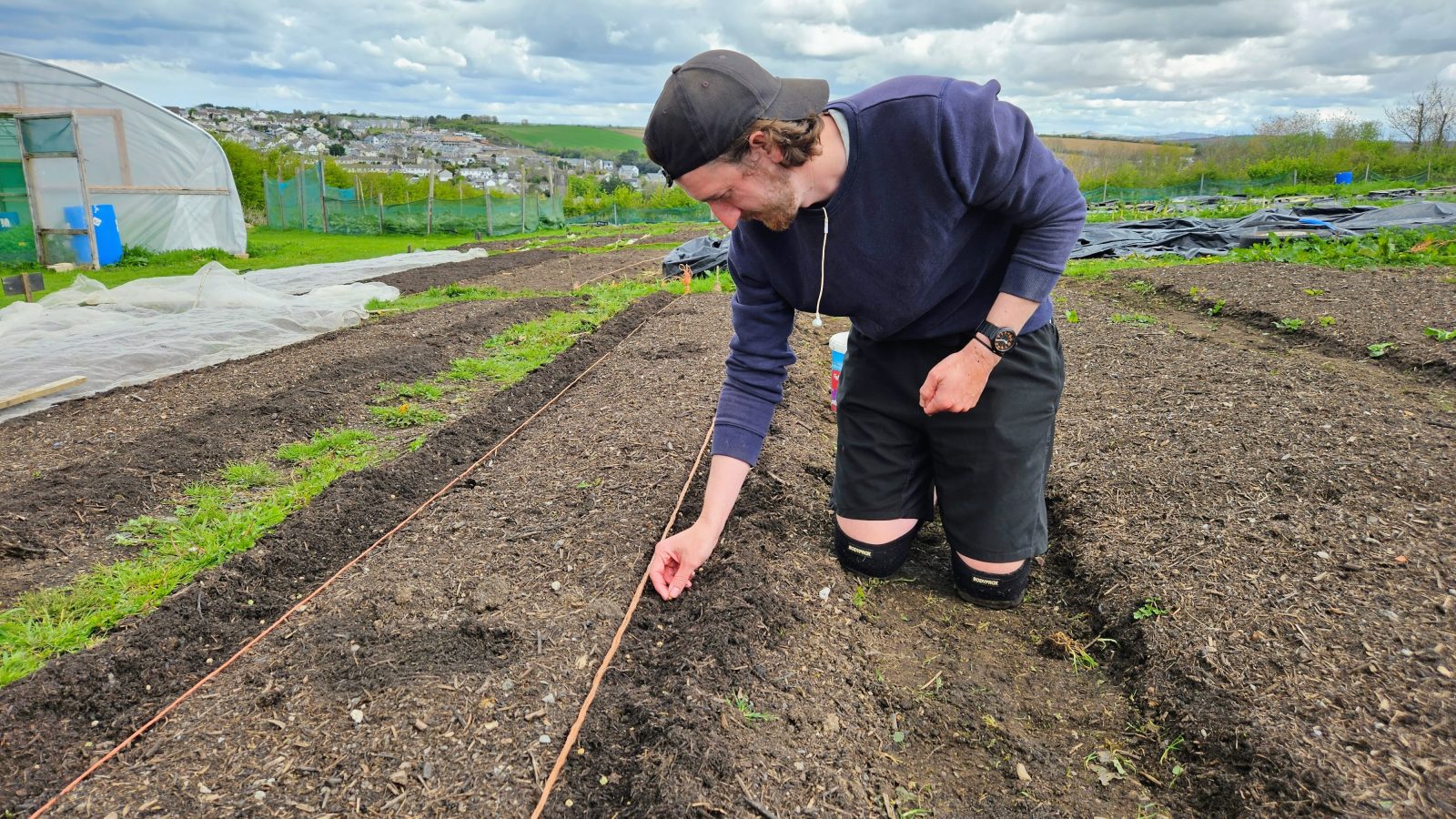
We have so much to do between the spring sunshine and heavy rain! Our vegetable growers and volunteers are working flat out:
- sowing peas (outdoors) and brassicas (in seed trays)
- weeding and mulching
- fixing bird boxes
- signposting crops
- preparing herb and pollinator beds
- transplanting aubergines, peppers, and tomatoes
We welcome volunteers. If you’d like to come and join our team at Treraven Farm, Wadebridge please go to https://camel-csa.org.uk/volunteer/ for more details
In this week’s veg boxes:
*spring onions
*mixed salad leaves
*chard
*spinach (Camel CSA) or *radishes (Mark Norman, Bodmin)
celeriac (Trerair Farm, St Eval)
cauliflower (Trerair)
potatoes (Trerair)
* = grown to organic principles. Please wash all veg thoroughly
Produce grown by Camel CSA, unless otherwise indicated
April 13, 2025
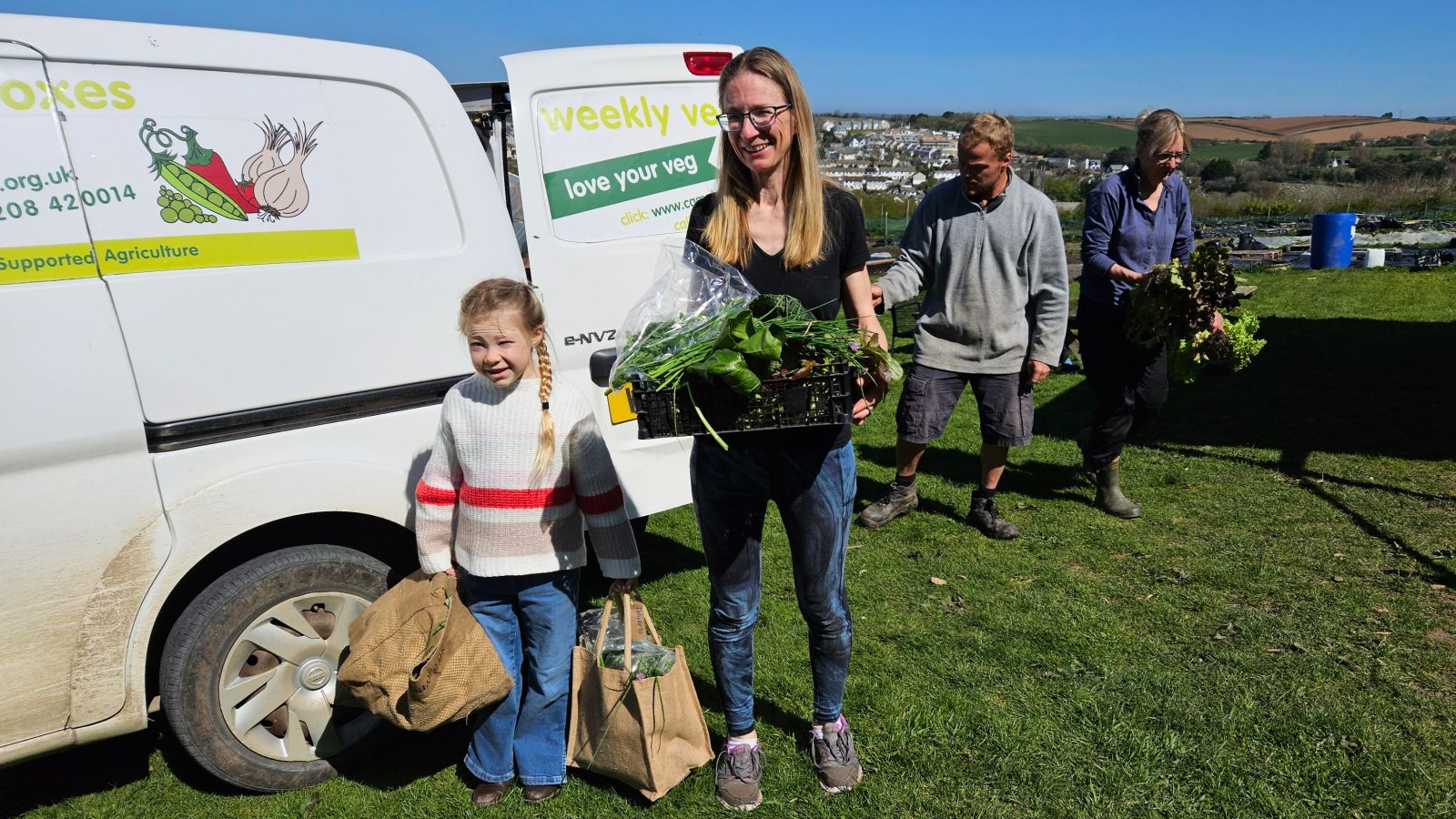
Our volunteers had an energetic Friday morning in the spring sunshine picking and packing copious amounts of gorgeous green leaves for our members’ weekly veg bags.
The bulk of them are delivered via electric van to pick-up points and doorsteps in village, town, coastal and moorland locations within the Wadebridge, Bodmin, Camelford triangle.
In this week’s veg boxes:
*whole lettuce
*spinach / radishes
*chives
*coriander
*sprouted mung beans
*rhubarb
*savoy cabbage (Mark Norman, Bodmin)
potatoes (Trerair Farm, St Eval)
* = grown to organic principles. Please wash all veg thoroughly
Produce grown by Camel CSA, unless otherwise indicated
March 30, 2025
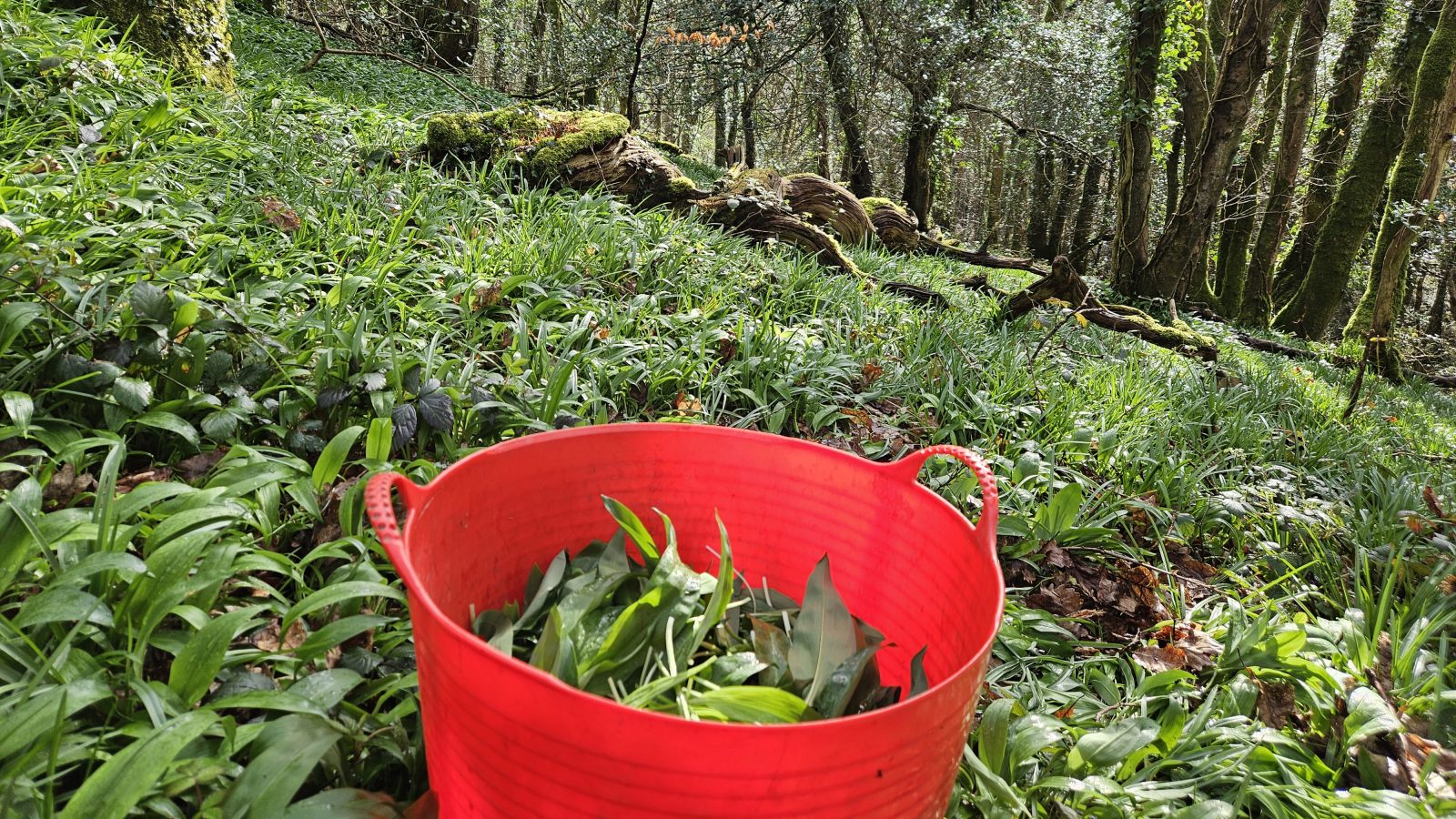
What an stellar seasonal selection we have in our spring vegetable boxes this week including wild garlic leaves foraged from the oak woods and the first juicy stalks picked from our rhubarb patch.
In this week’s veg shares:
*wild garlic leaves (foraged)
*rhubarb
*radish bunch
*red Russian kale (Mark Norman, Bodmin)
carrots (Trerair Farm, St Eval)
parsnips (Trerair)
potatoes (Trerair)
* = grown to organic principles. Please wash all veg thoroughly
Produce grown by Camel CSA, unless otherwise indicated
March 23, 2025
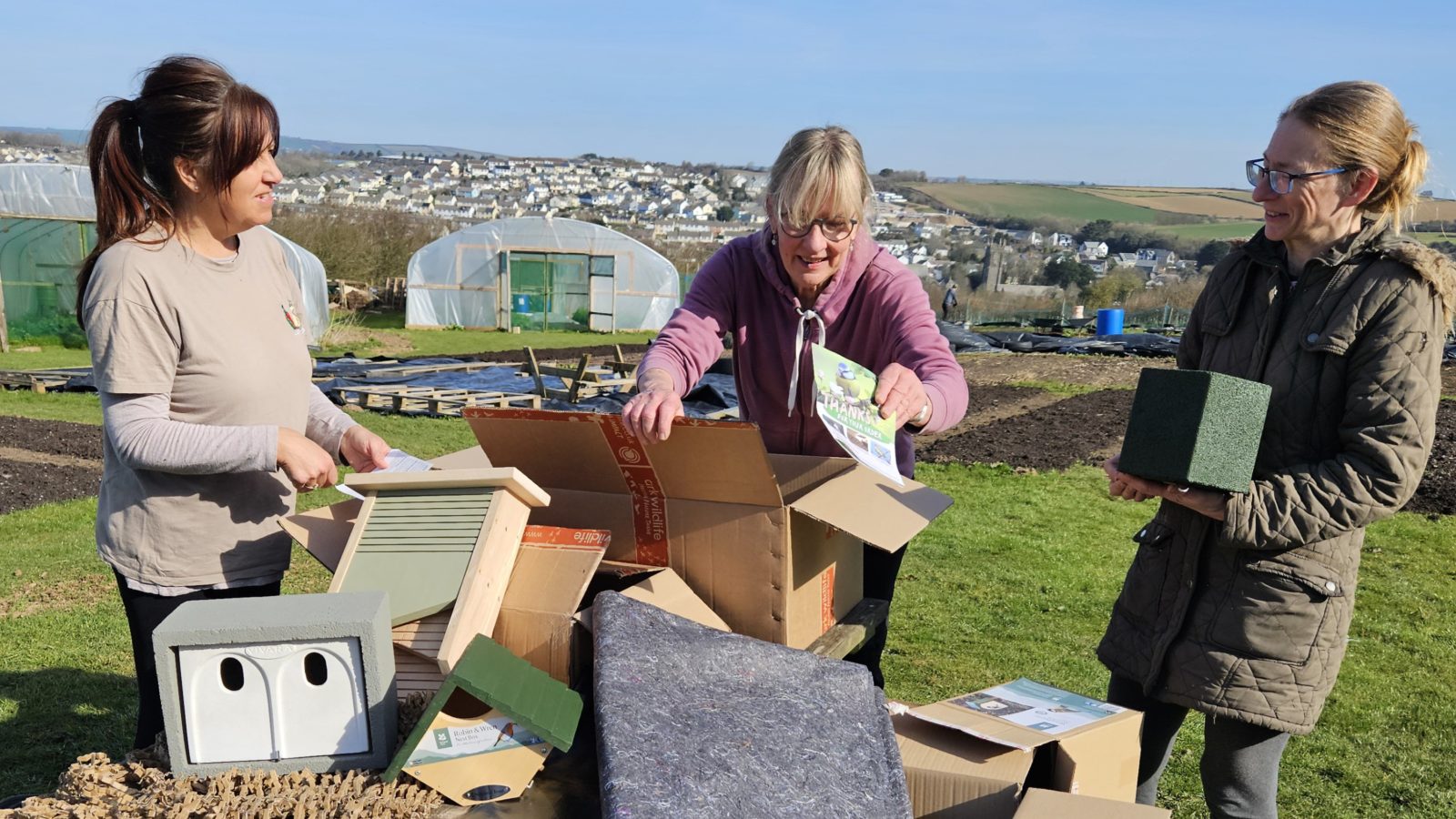
We’re taking action to encourage even more wildlife to our vegetable growing site at Treraven Farm, Wadebridge.
The growing team had great fun unpacking the bird and bat boxes supplied by Sustainable Food Cornwall‘s Joining the Dots for Nature scheme.
At the same time our volunteers have begun creating a natural pond to attract a feast of different plants, insects, larvae, toads, newts and other freshwater life.
The improvements are all part of a nature recovery plan for our no-dig veg site carried out by Cornwall Wildlife Trust on behalf of Joining the Dots.
We’re one of 15 community growing schemes in or near the Cornwall National Landscape chosen to take part in the initiative with funding from the Farming in Protected Landscapes (FiPL) programme.
We’ll be doing plenty more exciting nature-friendly things over the next few weeks so make sure you watch this space!
If you’d like to take part in any of these activities, please get in touch. If you know anyone else who might be interested, please share these details with them.
In this week’s veg shares:
*spring onions
*mixed salad leaves (mizuna, rocket)
*chard
*sprouted mung beans
cauliflower ‘Romanesco’ (Trerair Farm, St Eval)
savoy cabbage (Trerair)
potatoes ‘Manitou’ (Trerair)
* = grown to organic principles. Please wash all veg thoroughly
Produce grown by Camel CSA, unless otherwise indicated
March 16, 2025
We do have plenty to laugh about on Friday mornings at Camel CSA.
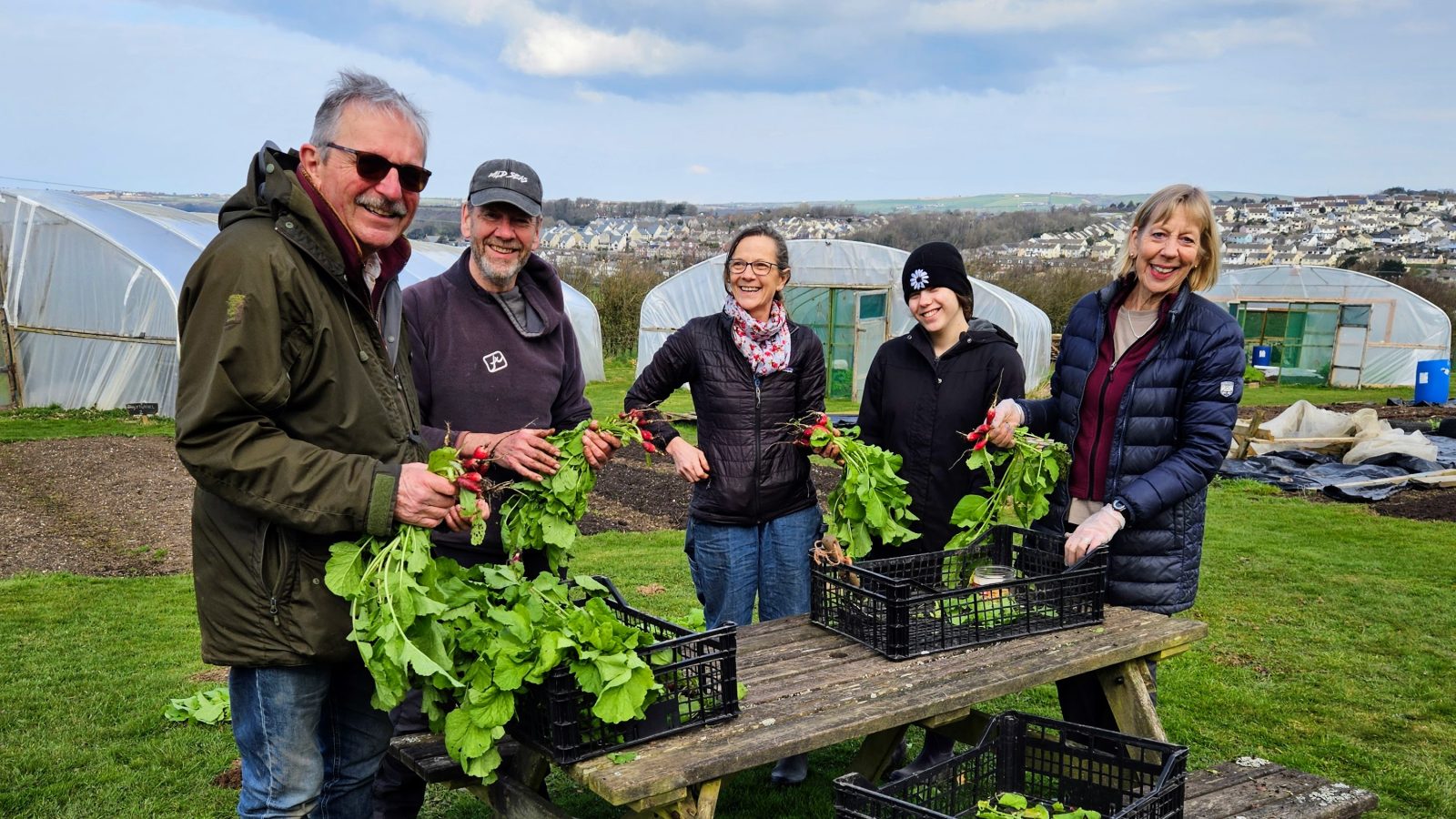
The volunteer picking and packing team got in a bit of a tangle this week while sharing out the radishes for the veg boxes.
We’d already bunched up half of them when we realised there wouldn’t be enough to go round. We needed to redo our sums.
It all got rather complicated as everyone piled in with different mathematical formulae.
After several false starts we got there eventually with the help of a calculator. But you wouldn’t believe what a fuss it caused!
In this week’s veg shares:
*radishes
*mixed salad leaves (mizuna, rocket, mustard)
*chard
cabbage ‘January King’ (Trerair Farm, St Eval)
swede (Trerair)
onions (Restharrow Farm, Trebetherick)
potatoes ‘Manitou’ (Trerair)
* = grown to organic principles. Please wash all veg thoroughly
Produce grown by Camel CSA, unless otherwise indicated
March 10, 2025
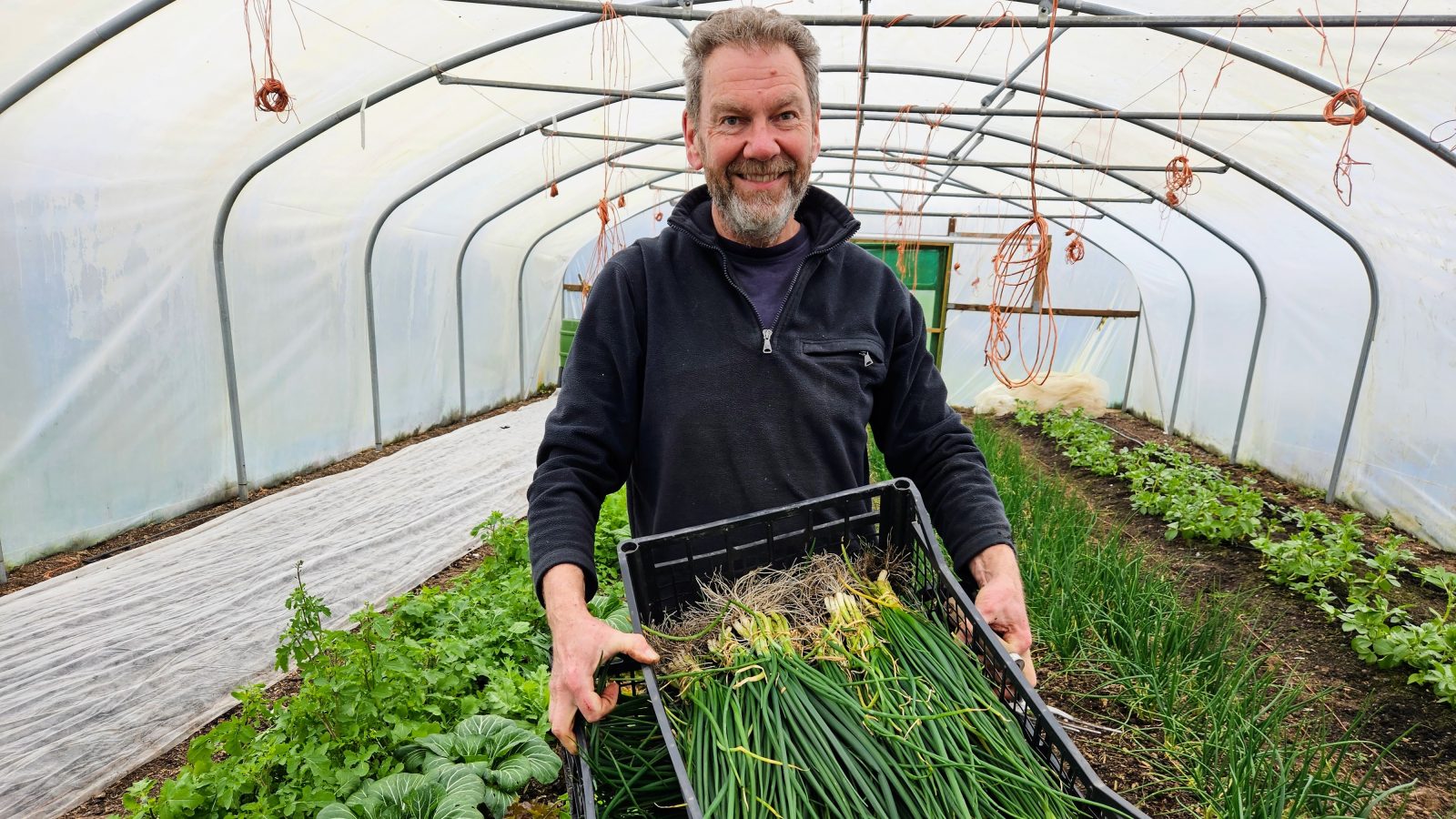
Aren’t they doing well? The first of this year’s spring onions are in this week’s veg shares alongside last season’s Crown Prince squashes.
The spring onions are thriving in the polytunnels beside the overwintered mixed oriental leaves, rocket and lettuce which have put on a growth spurt.
We store the autumn squashes on slatted shelves in our frost and predator-proof cool store. They’ve done remarkably well to last till the beginning of March.
The recent spring sunshine has also enabled our growers and volunteers to press ahead with weeding the no-dig beds, spreading compost and preparing them for planting on our site at Treraven Farm, Wadebridge.
And not forgetting to finish replanting the Jerusalem artichoke bed!
If you’d like to take part in our veg growing activities, please get in touch. If you know anyone else who might be interested, please share these details with them.
In this week’s veg shares:
*spring onions
*wedge of Crown Prince squash
*mixed salad leaves (mizuna, rocket, lettuce)
Romanesco cauliflower (Trerair Farm, St Eval)
carrots (Trerair)
parsnips (Trerair)
potatoes ‘Manitou’ (Trerair)
* = grown to organic principles. Please wash all veg thoroughly
Produce grown by Camel CSA, unless otherwise indicated
March 2, 2025
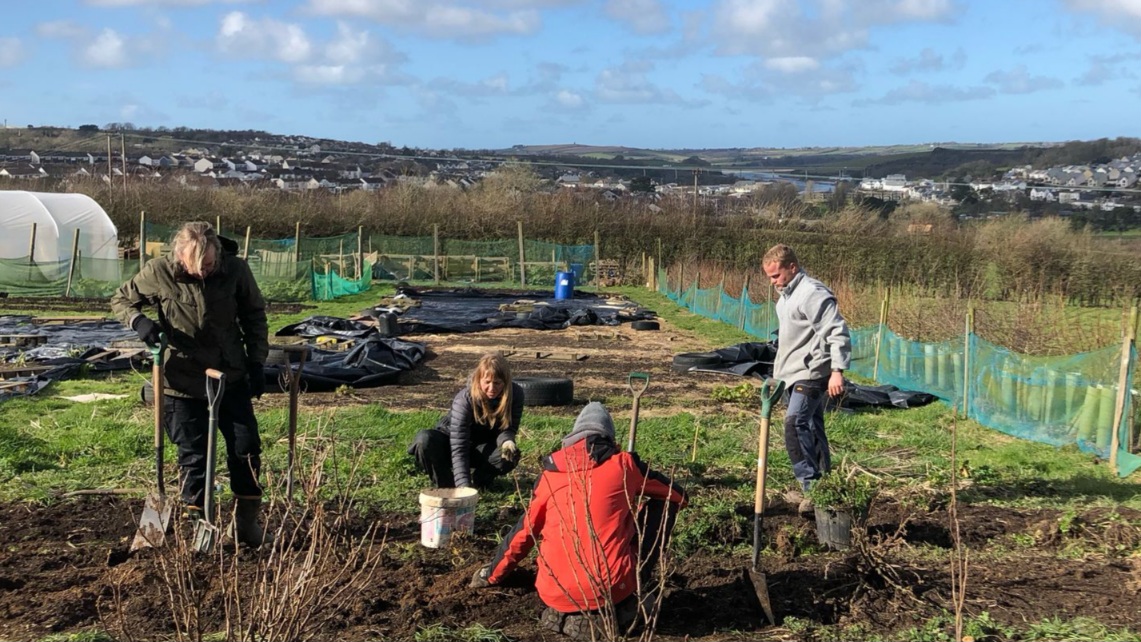
Warm sun, more daylight, loud birdsong – it must be spring!
Our growers and volunteers are making the most of the dry days to prepare for the new veg growing season. It’s all systems go on our community growing site at Treraven Farm.
This week’s tasks included:-
- transplanting and mulching the blackcurrants
- sowing tomato, aubergine and pepper seeds
- weeding and composting the outside beds
- harvesting lots of oriental salad leaves and the first of the indoor radishes for the veg boxes.
If you’re interested in volunteering on our friendly team, please get in touch. If you know anyone else who might be interested, please share these details with them.
In this week’s veg shares:
*radishes
*purple sprouting broccoli or curly kale
*oriental salad leaves (mizuna, frilly mustard)
celeriac (Trerair Farm, St Eval)
cauliflower (Trerair)
onions (Restharrow Farm, Trebetherick)
potatoes ‘Manitou’ (Trerair)
* = grown to organic principles. Please wash all veg thoroughly
Produce grown by Camel CSA, unless otherwise indicated