
October 2, 2011
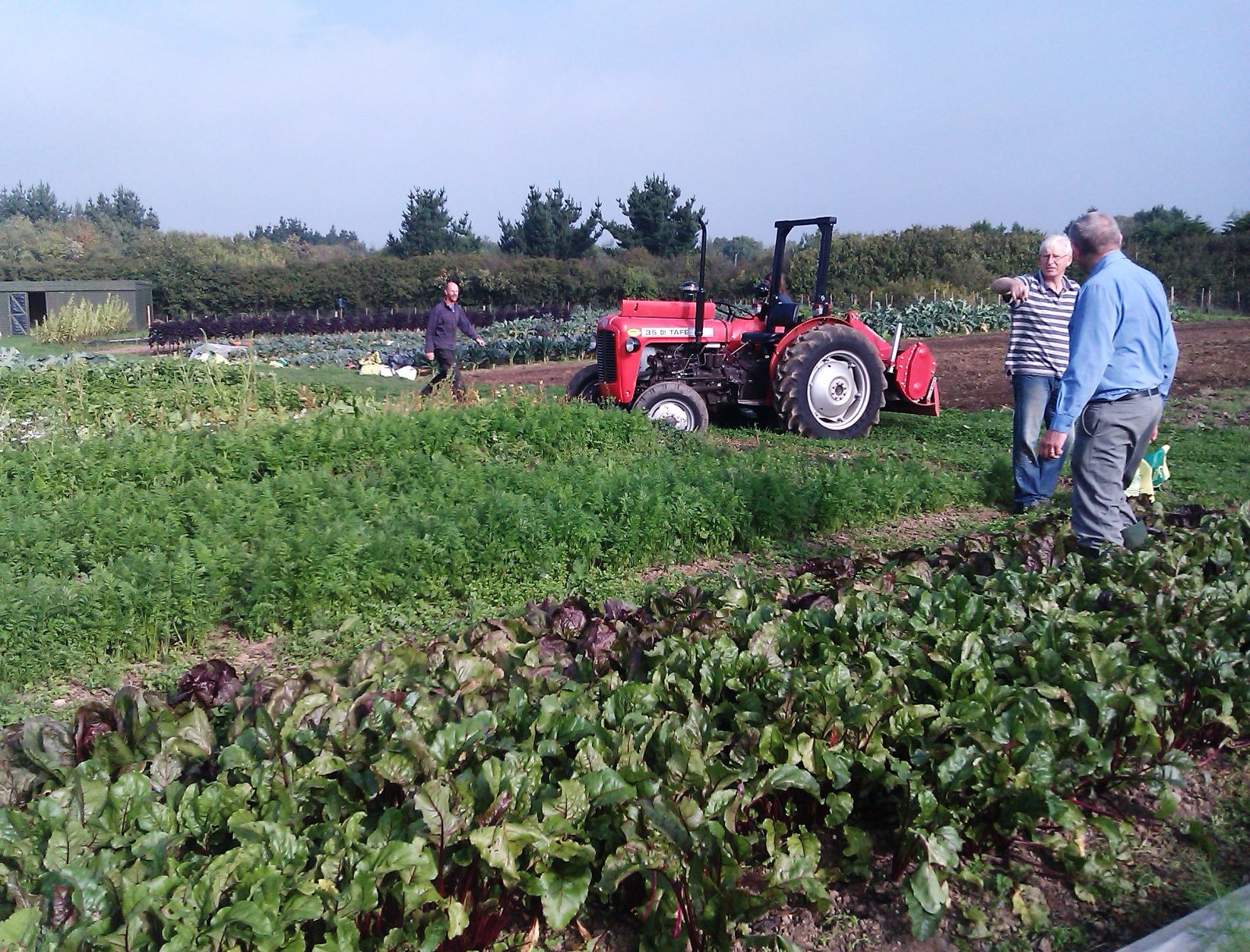
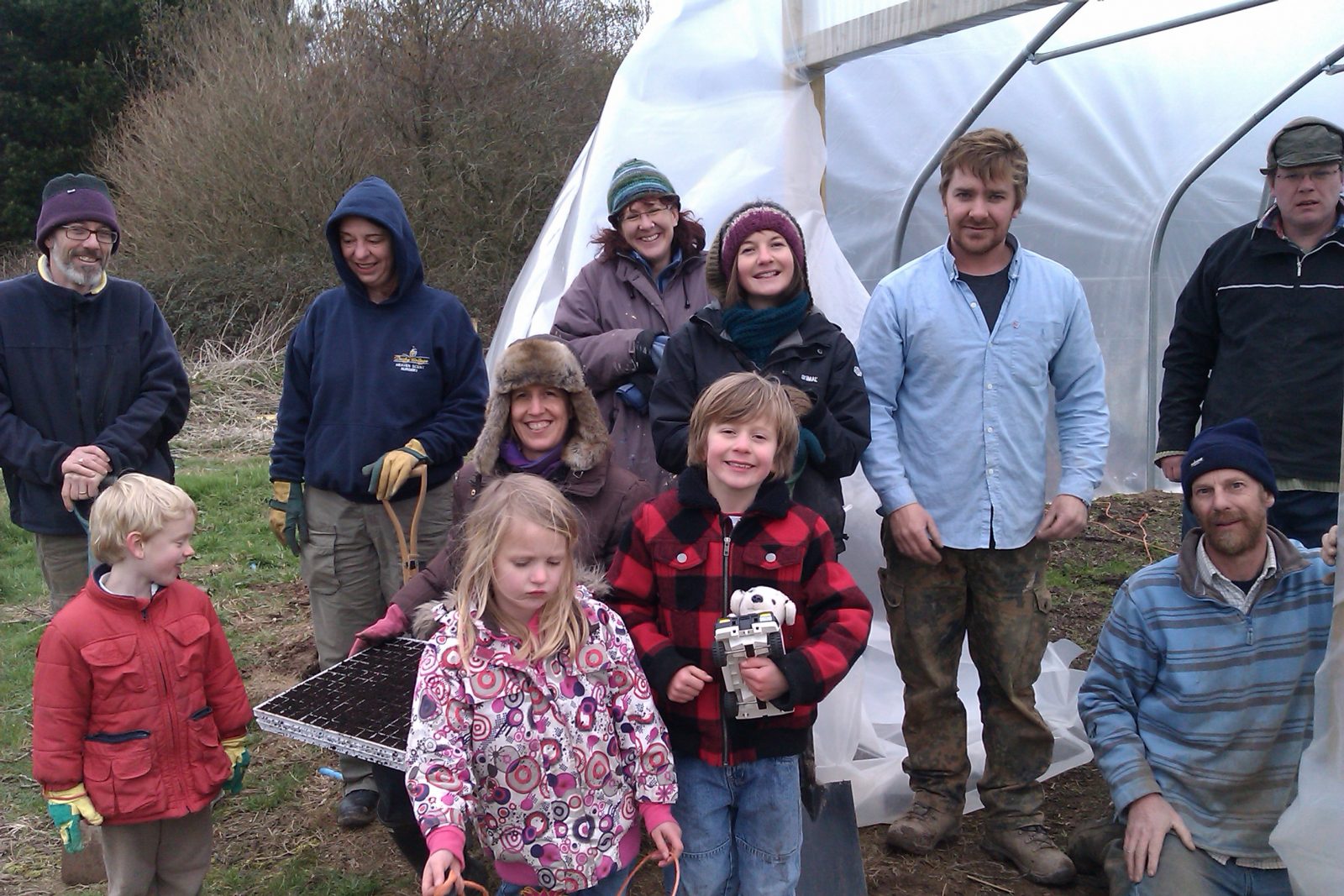
I’ve not long returned from a Soil Association conference where we looked at the future of community supported agriculture schemes in the UK, like ours in north Cornwall.
One of the recurring themes of any CSA get-together is: How do we attract volunteers? And, once they’ve started, how do we keep them on board?
Camel CSA is like any other voluntary group. We have a dedicated core membership who can be relied on a week-by-week basis to administer the project, grow the food and pick and pack the veg.
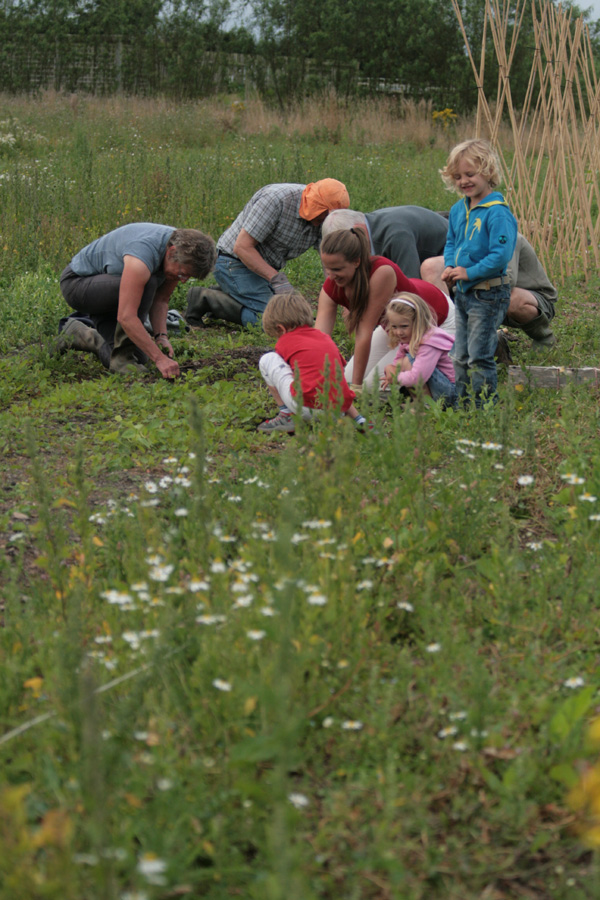
But what’s proved interesting is the total number of hours worked by volunteers – not just the regulars. And this total is always far more than we think.
We keep a tally to pass on to our funding bodies – Local Food and East Cornwall Local Action Group.
Over the last year half our members have actively volunteered at some point. They’ve contributed a total of 1,500 hours’ hard graft – the equivalent of nearly 200 working days. The highest point – equivalent to 25 working days – was in May . The lowest, not surprisingly, was in January (eight working days).
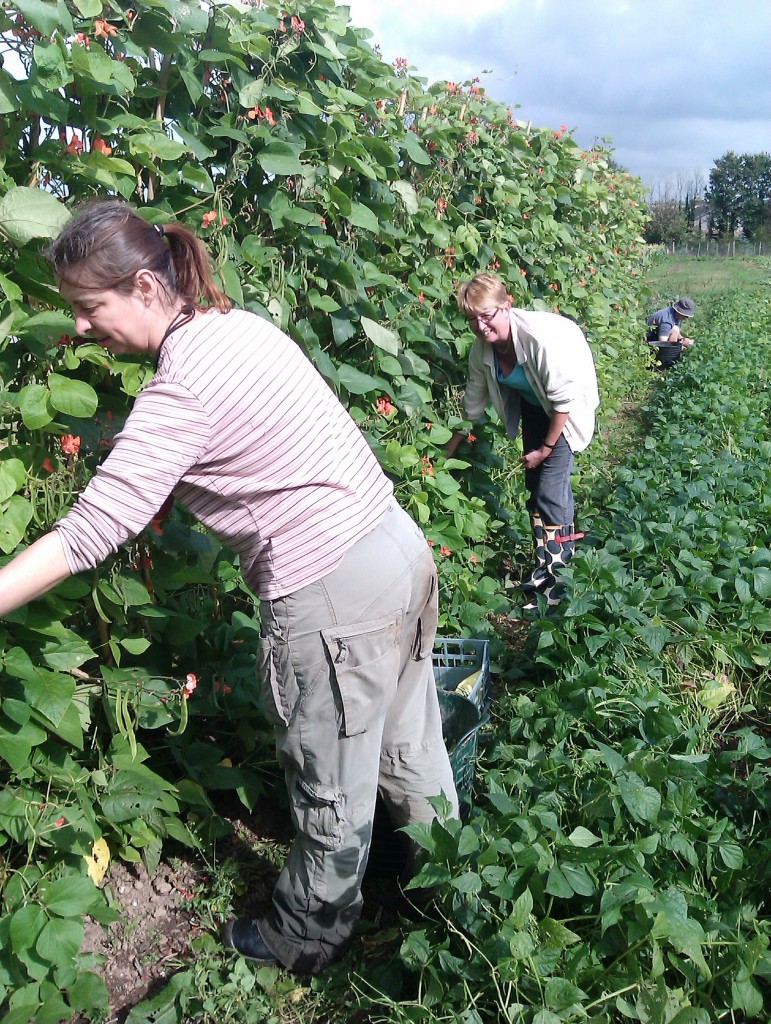
All this ties in with the work that Exeter University / Volunteer Cornwall researcher Becky Harrison is doing with us and other social enterprises in Cornwall. Her research into environmental volunteering and well-being involves looking into why people are motivated to volunteer and how they can make the most it.
All I know is that it’s important to remind volunteers how valued they are, to keep them informed, to include them in decision-making and to remind them that we’re all in it together.
Most of all, we need to remember that belonging to a CSA has all kinds of benefits. Which means making sure the dull and difficult jobs are not always done by the same people.
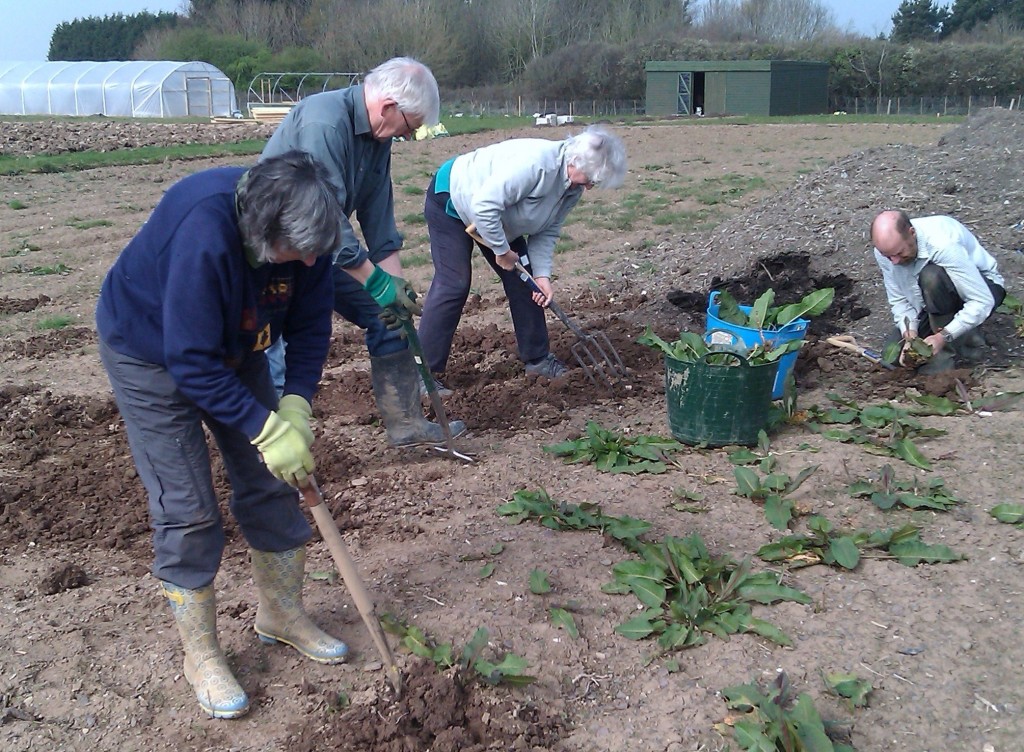
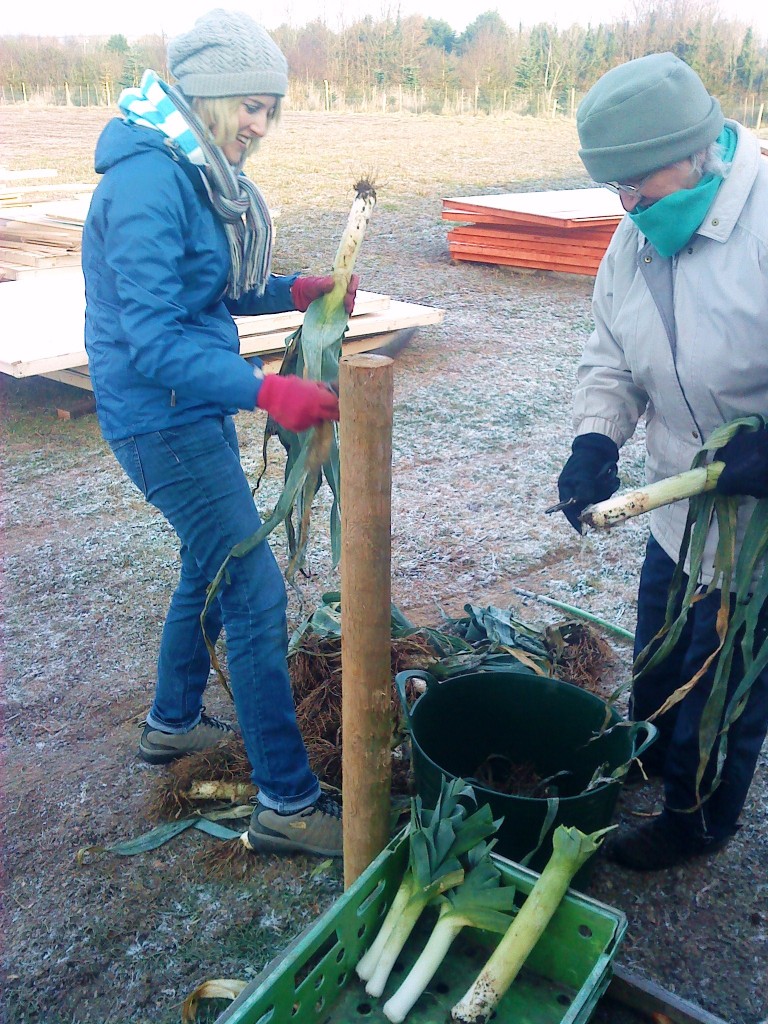
So a special mention for all the dock weed diggers, bean pickers and leek trimmers out there!
And grateful thanks to this week’s picking and packing team – Anne, Bob, Charlotte, Jax, Mike H, Mike S, Sophie, Steve, Sue, Trish F, Trish G and our expert growers Bridget and Mark N.
September 30, 2011
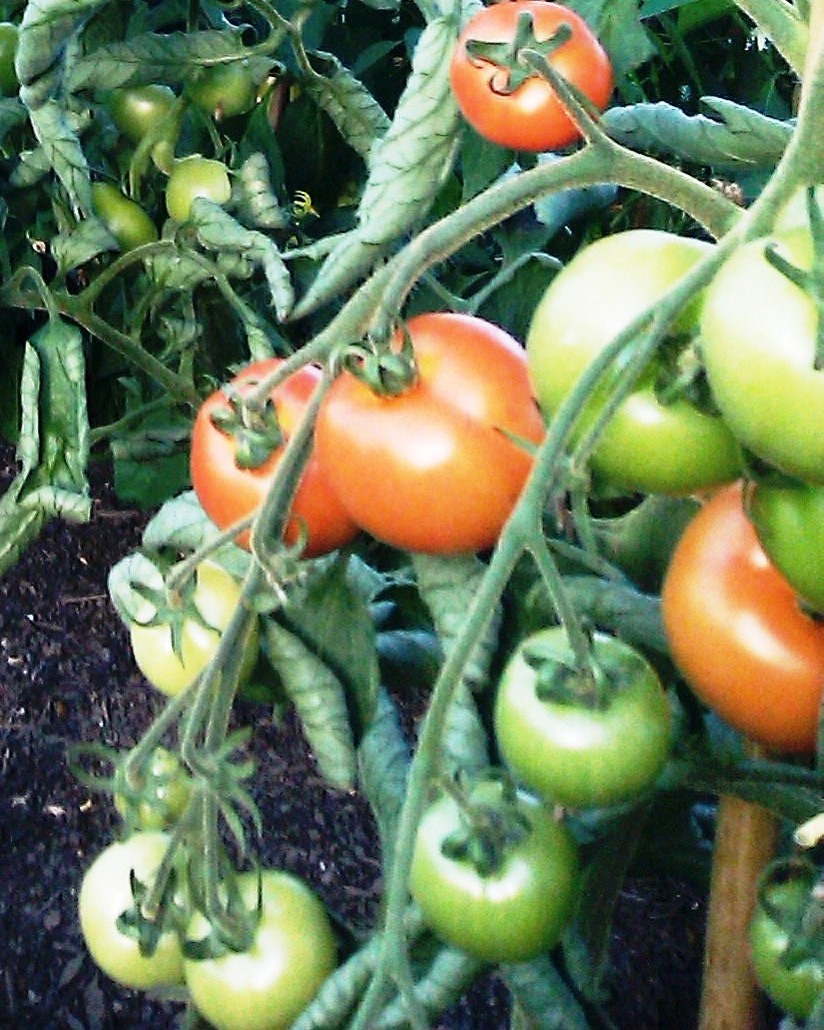
We have so many tomatoes in our weekly veg boxes at the moment we hardly know what to do with them!
Some of us are roasting the split, slightly over-ripe ones with garlic and onion, then whizzing them up into a tasty pasta sauce with basil and parsley from our veg boxes. Others are busy making green tomato chutney from the fruits that drop before ripening.
I keep the small, sweet cherry tomatoes in a bowl on the worktop and dip into them like sweets. The larger ones are so full of flavour they’re ideal for cooking.
This variation on the classic tomato gratin is from Lindsey Bareham’s new recipe collection The Big Red Book of Tomatoes.
Serves: 4
Preparation time: 15 minutes
Cooking time: 35 minutes
Ingredients
1kg tomatoes, ripe, full-flavoured cored, scalded, peeled and thickly sliced
150g wholemeal bread, without crust
2 medium onions, very finely chopped
1 very large clove of garlic, finely chopped
25ml flat-leaf parsley, finely chopped
30ml basil, finely chopped
6 tbsp parmesan, freshly grated
4 tbsp olive oil
25g butter
Pre-heat the oven to 200C/gas mark 6. Chunk the bread and process to crumbs in a food processor. Mix together the breadcrumbs, onion, garlic, herbs and parmesan, and season generously with salt and pepper.
Use 1 tbsp of the olive oil to grease an approximately 25cm x 5cm metal oven dish. Cover the bottom with a third of the bread mixture and top with half the tomatoes. Season, then dribble over a tbsp of the olive oil. Cover the tomatoes with another third of the bread mixture and then the remaining tomatoes. Season with salt and pepper and another tbsp of olive oil. Finish with the remaining third of bread mixture and dribble over the remaining olive oil. Finally, cover the bread with thin slices of butter.
Cook for 35 minutes in the middle of the hot oven or until the top is well-browned. Serve from the dish, cut like a cake using a fish slice. Dust with more parmesan.
This week everyone will have:
1kg potatoes (Burlerrow Farm, St Mabyn)
* runner/french beans (Camel CSA)
* calabrese/sprouting broccoli (Camel CSA)
* tomatoes (Camel CSA)
* leeks (Camel CSA)
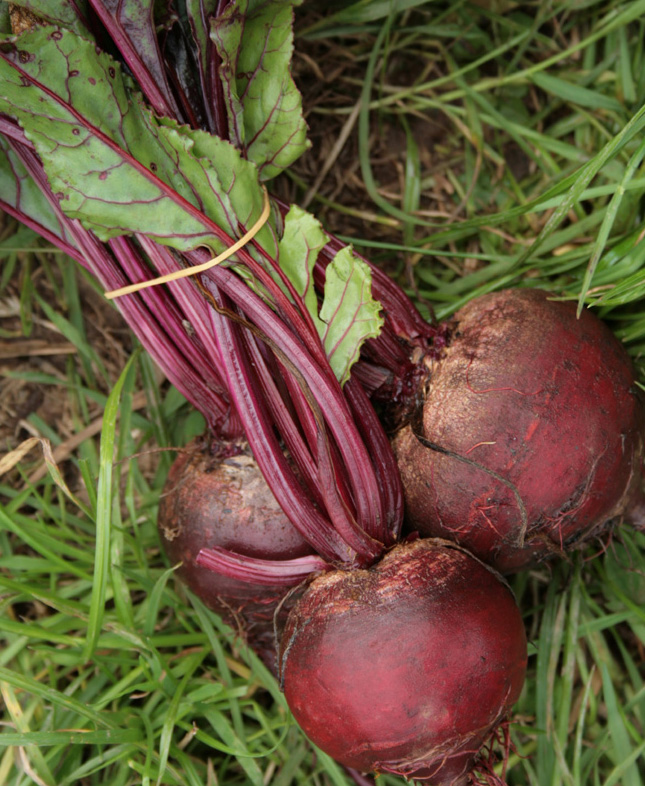
* beetroot (Camel CSA)
* swiss chard (Camel CSA)
* chinese cabbage (Camel CSA)
* onions (Camel CSA)
Standard boxes will also have:
* aubergines (Camel CSA)
* peppers (Camel CSA)
* radicchio (Italian chicory)(Camel CSA)
* parsley (Camel CSA)
* = grown to organic principles
September 23, 2011
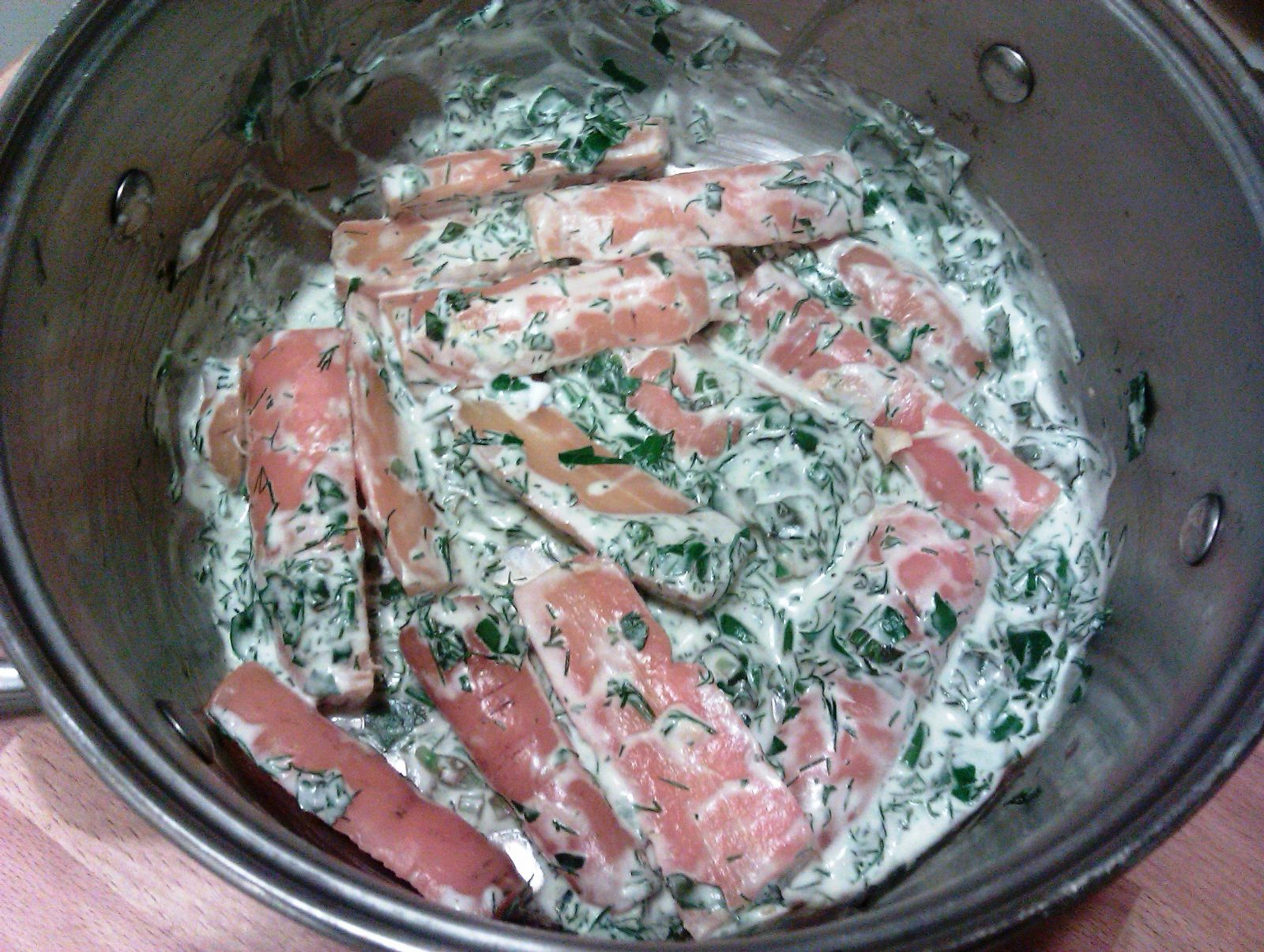
Another simple, late summer recipe from Nigel Slater in the Observer. It’s a fresher, more up-to-date version of the traditional dish of carrots in parsley sauce.
Nigel says: “A bunch of young carrots doesn’t last long in this house. Munched like sweets, they often go before I even have time to rinse them. The usual cooking method is to steam them and toss them in butter and chopped parsley. Nothing wrong with that, but this way is much more interesting.”
Serves 4 as a side dish
Preparation / cooking: 20 minutes
Ingredients
slim, young carrots 2 bunches
shallot 1, medium-sized
basil 1 small bunch
parsley 6 bushy sprigs
dill 8 sprigs
crème fraîche 200ml
lemon juice a good squeeze
Wipe or rinse the carrots, but don’t peel them, then place them in a steamer basket or colander set over a pan of boiling water. Steam for 7-10 minutes till tender, but not soft. If you prefer to boil them in lightly salted water, do so, then drain them.
Peel and very finely chop the shallot. Remove the leaves from the basil and parsley and discard the stems, then chop them, quite finely, together with the dill fronds. You should have a couple of good handfuls of chopped herbs. Put the crème fraîche into a saucepan large enough to take the carrots in a single layer, add the shallot, herbs and the lemon juice and bring to the boil. Season with black pepper and a little salt, then add the drained, whole carrots. Leave to simmer for a couple of minutes with the occasional stir, taking care not to break the carrots up. Serve immediately.
September 22, 2011
Another great box brimming with tasty veg coming your way! Everything apart from the potatoes is grown on the Camel CSA’s own plot in north Cornwall. Contents may differ ever so slightly if it turns out we can’t harvest enough of each vegetable for each box.
Everyone should have:
potatoes (Burlerrow Farm, St Mabyn)
* broccoli
* french beans/runner beans
* lettuce leaves
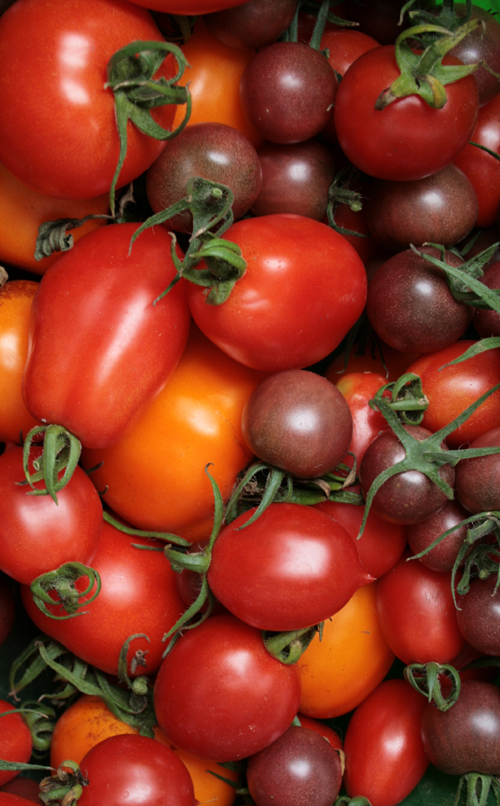
* tomatoes
* cucumber
* carrots
* tuscan/curly kale
* turnips
* onions
Standard boxes will also have:
* peas
* peppers
* aubergines
* parsley
* = grown to organic principles
September 20, 2011
Thousands of people in England are improving their overall quality of life by getting involved in community supported agriculture.
But a lack of public awareness means that many more are missing out, according to new research from the Soil Association.
“Community supported agriculture is an exciting, dynamic, growing movement. It’s all about sharing and giving people proper access to local produce. It’s making a real difference to people’s lives,” Josiah Meldrum of Provenance told the Soil Association’s CSA conference in Bristol.
Indeed, the pace of expansion is impressive. Of the 76 fully-fledged CSA schemes in England, 66 of these got going in the last three years. Another 120 are in the process of setting up.
Public understanding is lacking, however. Two thirds of 1,000 shoppers who took part in a survey had never heard of community supported agriculture schemes like ours in Cornwall.
The Soil Association commissioned Provenance researchers Nick Saltmarsh and Josiah Meldrum to judge the impact of CSAs in England. They concluded there are enormous social, environmental and economic benefits for members and the wider community.
More than 70 per cent of of CSA members feel their overall quality of life has improved. Almost half believe they’re having a significant impact on the community by bringing people together.
At least three quarters are involved because they want access to healthy, high-quality, sustainably-produced food. Two thirds of them find that the vegetables provided supply nearly all their needs.
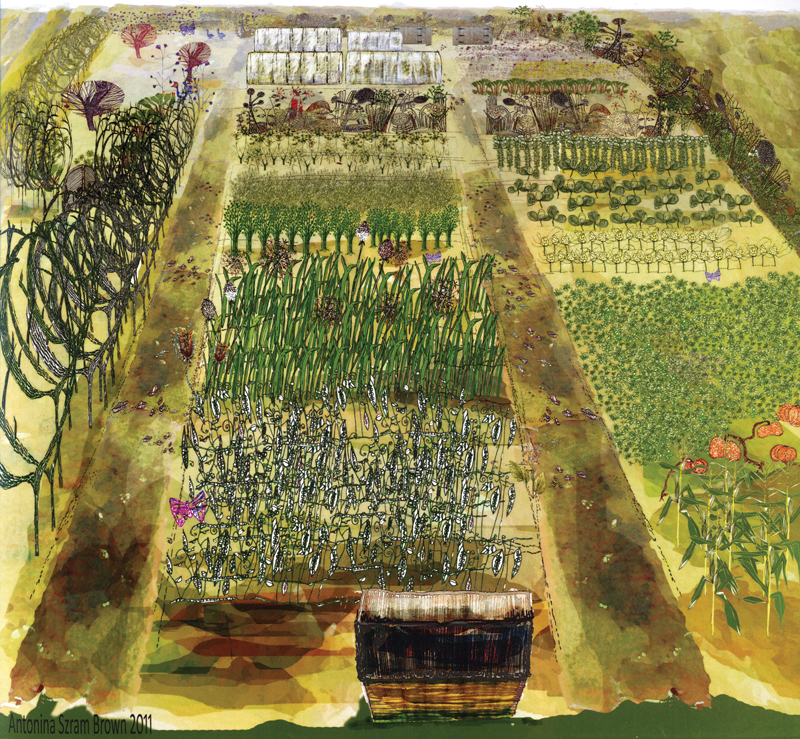
Remarks included:
Food has become interesting again…
I feel involved in the production of the food I eat and have become more connected to the land…
I feel part of something that is truly pioneering, that I am contributing in some way to different more sustainable way of living…
It makes me feel happy – at quite a deep level – that I’m playing a small part in helping such an excellent scheme to thrive…
You can have a more detailed look at the main findings on the Soil Association’s resources pages: –
The full report will be published in October.
September 16, 2011
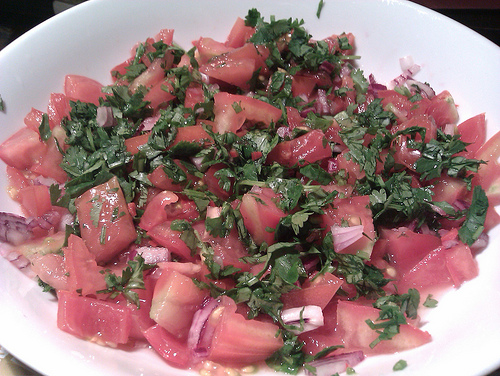
This simple but tasty version comes from The Hairy Bikers. Perfect for the tomatoes and chillies in Camel CSA’s veg boxes this week.
Raw salsa is a delicious and easy accompaniment to all sorts of food – from simple Mexican corn chips to Tex Mex dishes from chilli con carne to guacamole to beef fajitas to beef tacos to vegetarian nachos. It also makes a very good chunky dip for raw vegetables.
Preparation: 10 minutes
Cooking: None
Ingredients
250g/9oz fresh tomatoes, finely chopped
1 small onion, finely chopped
3 mild chillies, finely chopped
bunch coriander, finely chopped
salt, to taste
lime juice, to taste
1 tbsp water
Method
To make the salsa, combine all the ingredients together in a bowl and serve immediately.
Couldn’t be easier!
September 15, 2011
This illustration of Camel Community Supported Agriculture’s grow-our-own veg plot in Cornwall is by the very talented artist Antonina Szram Brown.
Antonina and her husband Jeremy run St Kew Harvest Farm Shop, specialising in good food and fresh produce that includes their own homemade artisan bread. They’re both deeply committed to making local food work in our part of north Cornwall.
Camel CSA rent two acres of land from the Brown family at St Kew Highway near Wadebridge. Jeremy is one of the local growers who supplies top-quality produce for our weekly veg box scheme.
September 14, 2011
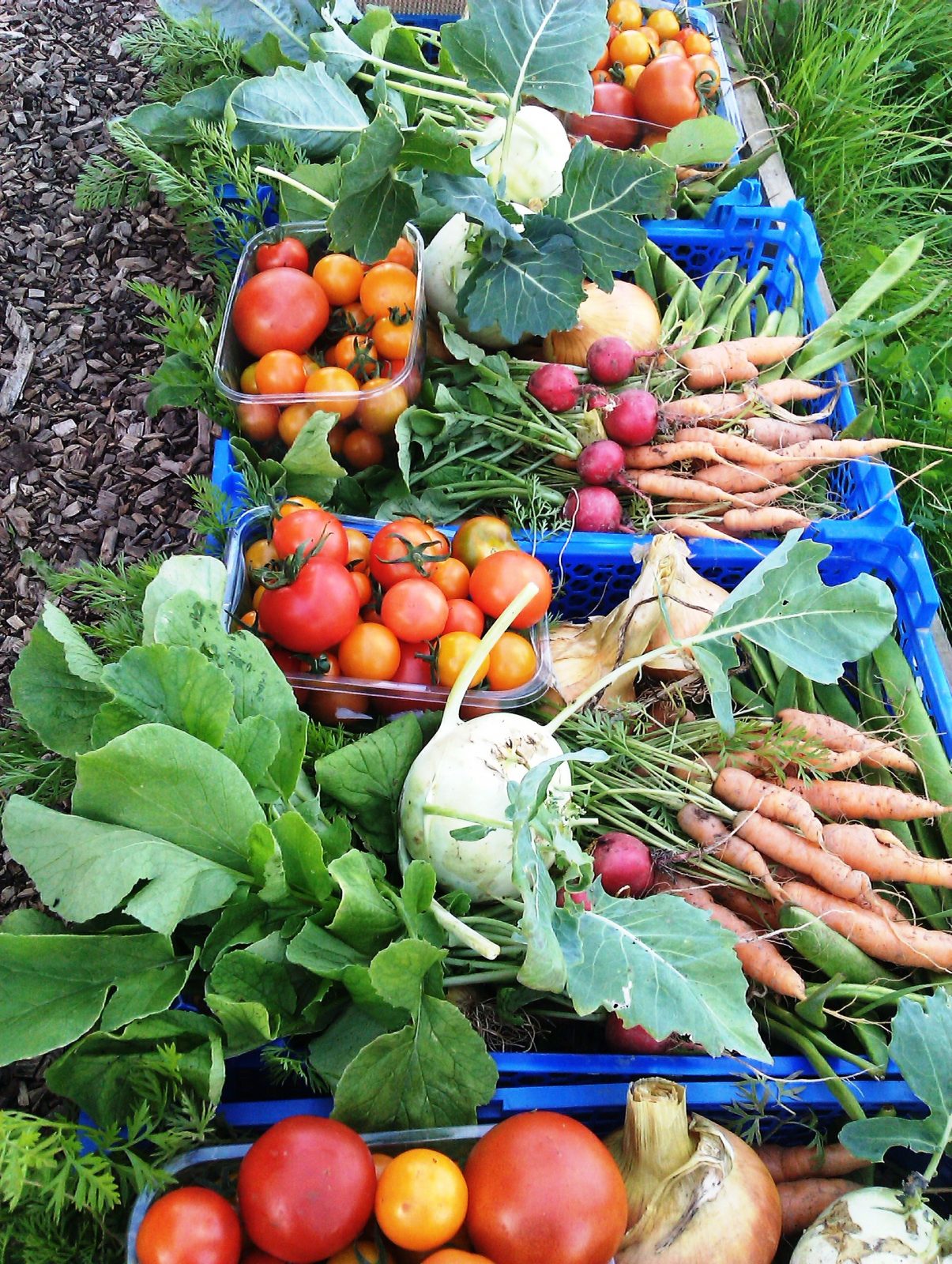
Friday’s veg boxes are yet again full to the brim with Camel CSA’s bountiful Cornish autumn harvest.
This week everyone will have: –
* potatoes (Burlerrow Farm, St Mabyn)
* broccoli (Camel CSA)
* Swiss chard (Camel CSA)
* cabbage (Camel CSA)
* French beans or peas (Camel CSA)
* tomatoes (Camel CSA)
* carrots (Camel CSA)
* onions (Camel CSA)
* rocket (Camel CSA)
* chillies (Camel CSA)
Standard boxes will also have: –
*aubergines (Camel CSA)
* peppers (Camel CSA)
* turnips (Camel CSA)
* parsley (Camel CSA)
* = grown to organic principles
September 10, 2011
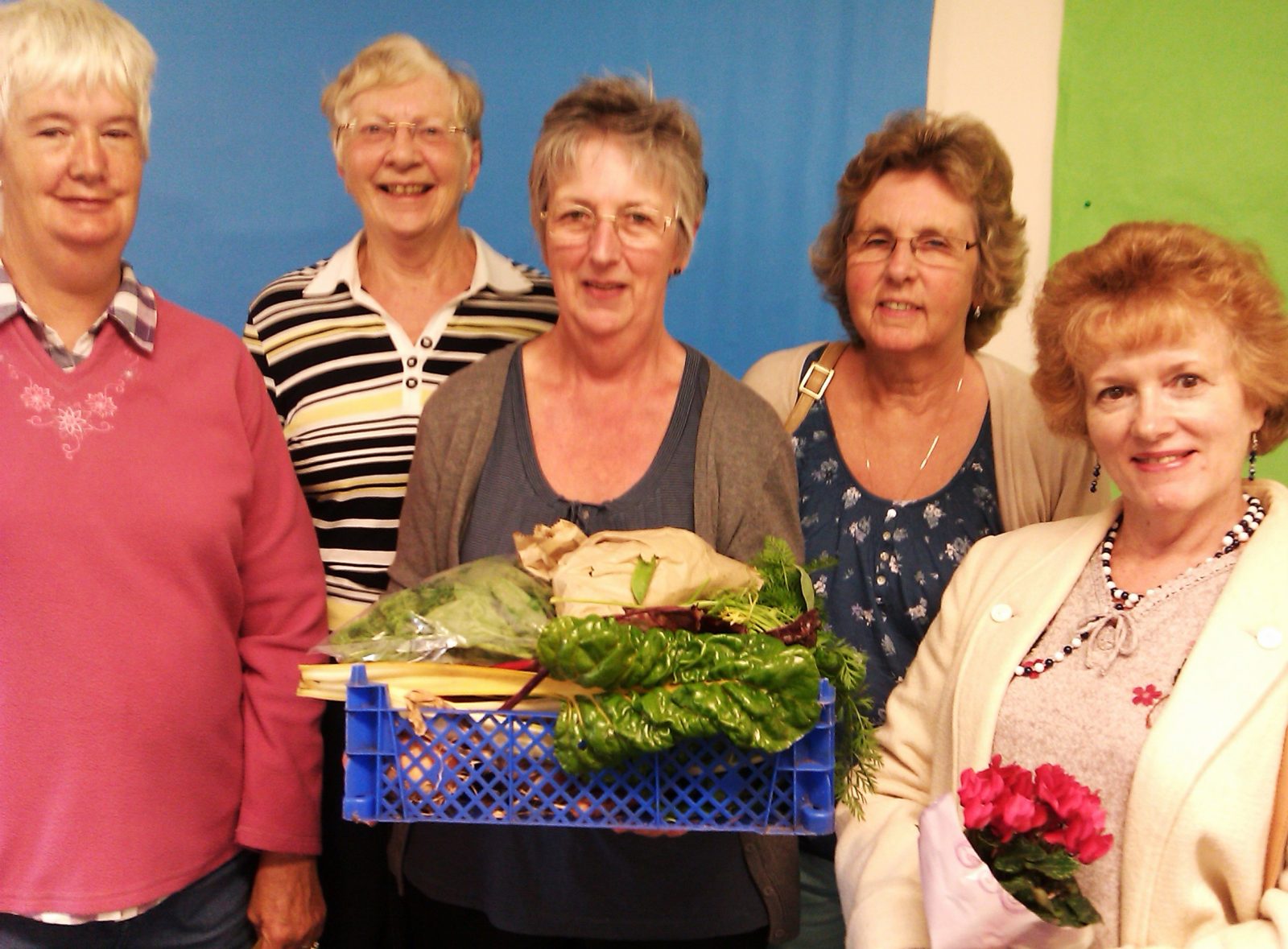
Members of Egloshayle Women’s Institute in north Cornwall now know all about our grow-your-own local food project at St Kew Highway.
Camel CSA had the guest slot at the WI’s September meeting in the Egloshayle pavilion, Wadebridge. Afterwards, a small but orderly queue lined up to get membership forms and more details of our weekly veg box scheme. We hope very much they’ll join us.
WI secretary Christine Pearn was the lucky lady who won the raffle to take home our veg box.