
February 10, 2011
The CSA’s jerusalem artichokes may be finished, but there are still some available from Jeremy Brown.
Small boxes will have:
potatoes (Benbole Farm, St Kew)
onions (Restharrow Farm, Trebetherick)
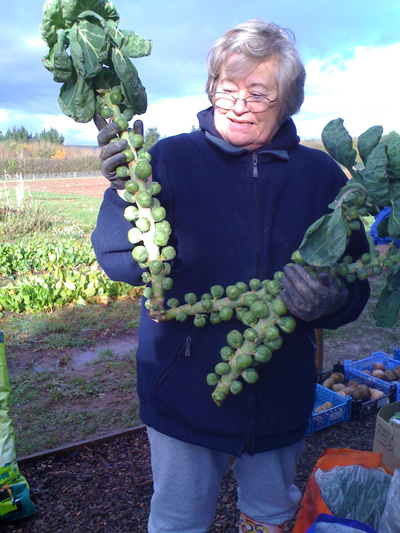
sprout stalk (Restharrow Farm)
red cabbage (Restharrow Farm)
* parsnips (Mark Norman)
* leeks (Jeremy Brown, St Kew Harvest)
Standard boxes will have the same with extra potatoes, onions and parsnip plus:
kale (Restharrow Farm)
swede (Restharrow Farm)
jerusalem artichokes (Jeremy)
* = grown to organic principles
February 9, 2011
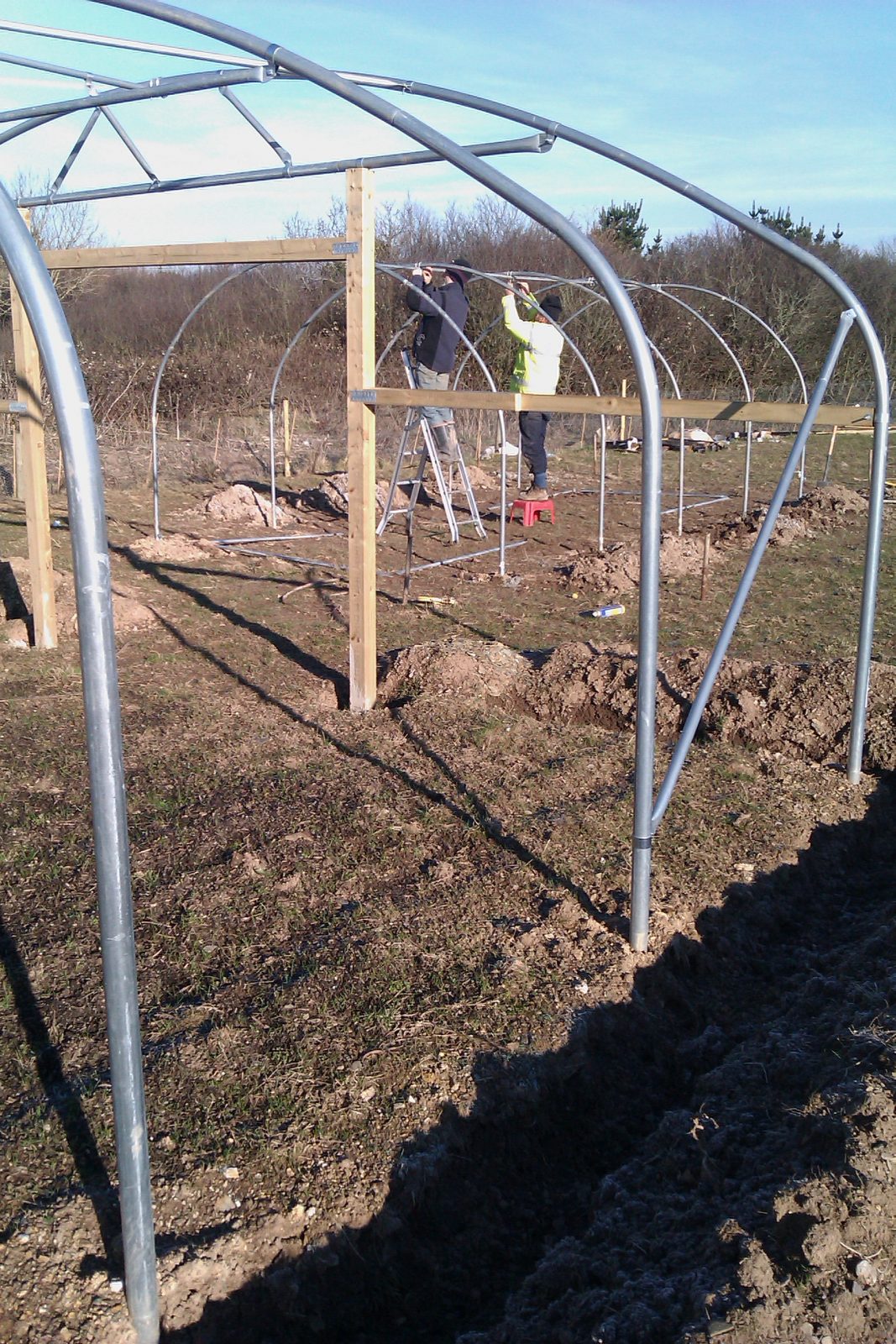
Our growing team is preparing for the busiest year we’ve had so far.
Now we’ve got support from the Lottery Food Fund and ECLAG we’re forging ahead and constructing two large polytunnels, a small seeding tunnel, a large tool shed and a potting shed.
Over the next two weeks we’re hoping to plant rhubarb and Jerusalem artichokes in new permanent beds. And we need to get rid of the dock weeds that are springing up everywhere.
The plastic covers will go on the polytunnels by early March, provided we get a calm, warm weather window. Then we’ll sow broad beans, carrots, radish and assorted salad leaves directly inside the tunnels.
We’ll also plant seeds in modules, starting with spring onions, salad, spinach, chard, beetroot, parsley, celeriac and spring cabbage.


February 4, 2011
This is a classic recipe from Elizabeth David’s French Provincial Cooking. It’s a dish to make, she says, ‘when you have a glass of wine, red, white, rosé, sweet, dry or aromatic (ie some sort of vermouth) to spare’.
Serves 4-6
Preparation: 10 minutes
Cooking: 1½ hours
Ingredients
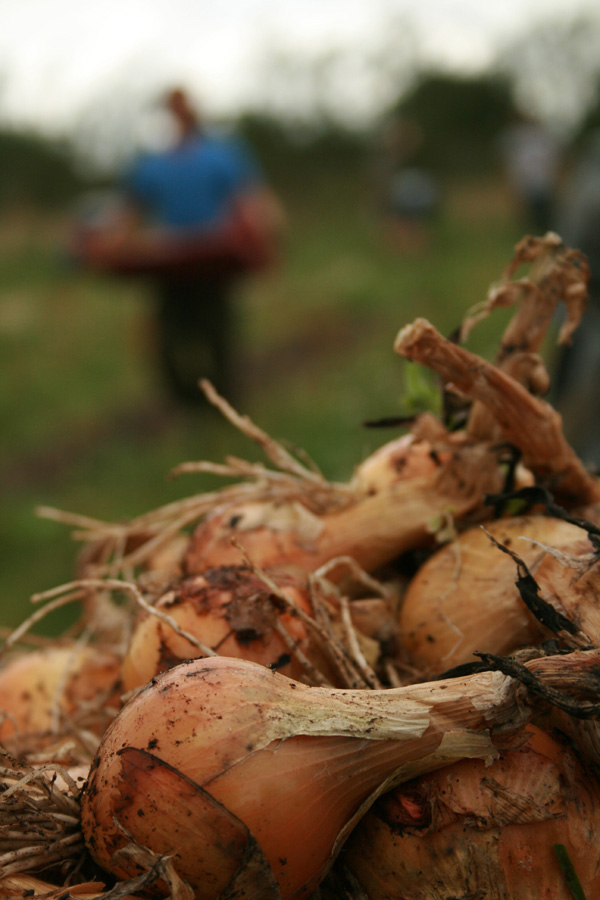
6-8 onions, all the same size
1 tbsp olive oil
small glass of wine
water
salt and pepper
Method
Peel the onions and put them with the olive oil in a thick pan in which they just fit comfortably. Start them off over a moderate flame and, when the oil is beginning to sizzle, pour in a small glass of wine. Let it boil fiercely for a few seconds. Add water to come half-way up the onions. Transfer to a low oven and cook uncovered for about 1½ hours. Put back on top of the stove over a fast flame for 2 or 3 minutes, until the wine sauce is thick and syrupy. Season. Serve as a separate vegetable, or round a roast.
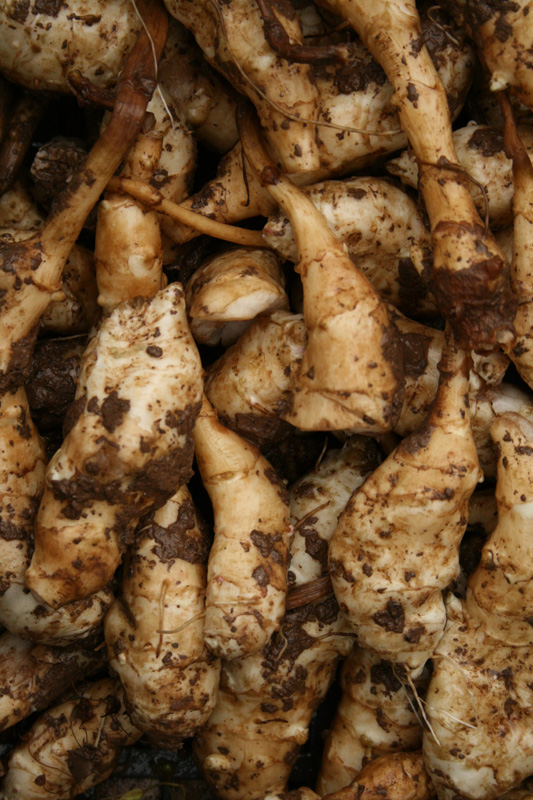
Including – some will be pleased to hear – the last of the season’s jerusalem artichokes …
Small boxes will have:
potatoes (Benbole Farm)
* parsnips (Mark Norman)
onions (Restharrow Farm, Trebetherick)
curly kale (Restharrow Farm)
cauliflower (Restharrow Farm)
* jerusalem artichokes (Camel CSA)
Standard boxes will have the same including extra potatoes and onions plus
carrots (Restharrow Farm)
swede (Restharrow Farm)
* leeks (Jeremy Brown, St Kew Harvest)
* = grown to organic principles

January 31, 2011
Camel Community Supported Agriculture member Trish Gibson is to appear on Woman’s Hour on BBC Radio 4 this Thursday talking about her newly-published book Brenda Colvin: A Career in Landscape.
Trish is a trustee of Cornwall Gardens Trust and has created her own beautiful millhouse garden at Pendogget near St Kew in north Cornwall.
Pioneering garden designer and landscape architect Colvin (1897-1981) has been hailed one of our greatest heroines. Yet most people have never heard of her.
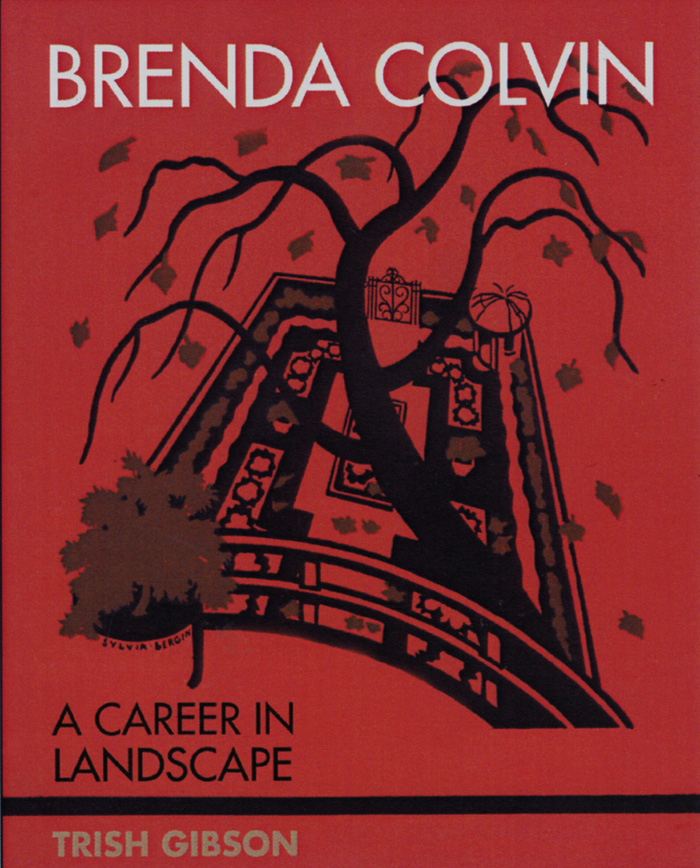
Author Trish Gibson explains that Colvin had a very self-effacing attitude:
Her approach to all her projects – from the smallest town garden to the massive landscapes around power stations, reservoirs and new towns – was guided by a profoundly held belief that the control which modern man is able to exert over his environment is so great that we easily overlook the power of the environment over man.
Throughout her career Colvin fought for the cause of landscape, endeavouring to ensure that landscape architects be involved right from the start – not called in as ‘exterior decorators’ after the architects and engineers had finished their work. In Cornwall, as in the rest of the country, how many industrial estates have failed to follow this ideal, with ‘mega sheds’ plonked on hill tops with little or no attempt to blend them into their surroundings?
The book, which is published by Frances Lincoln, has already had favourable reviews in January’s edition of The English Garden and February’s Gardens Illustrated.
Trish will be talking about her book and Brenda Colvin on Woman’s Hour on Thursday 3 February between 10am and 10.45am.
January 29, 2011
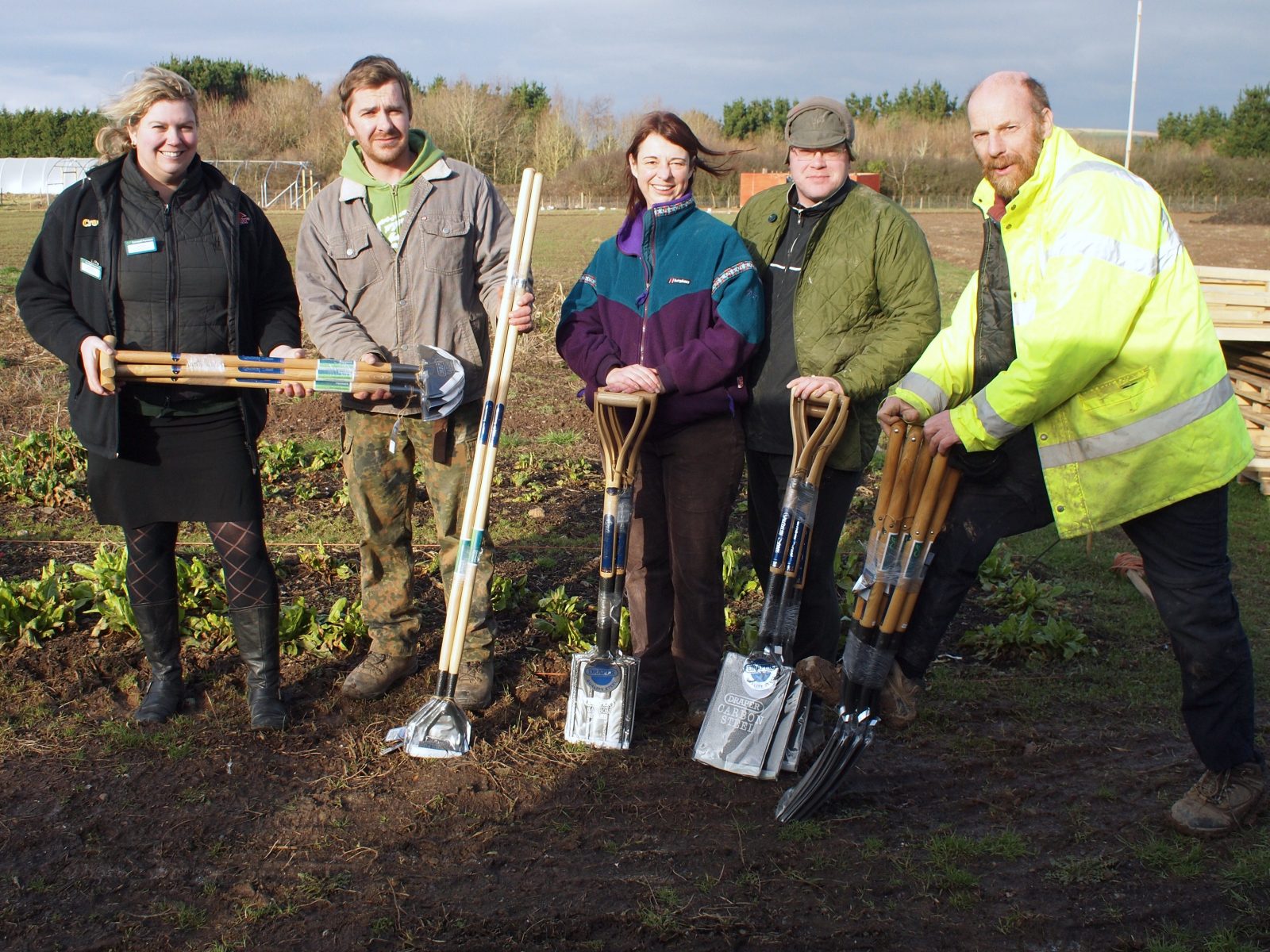
We’re all set up for the vegetable growing season thanks to a generous donation of equipment from the Wadebridge branch of Cornwall Farmers Ltd.
Wadebridge branch manager Julie Russell (on the left of the picture) handed over the tools to Camel CSA growing team members Jeremy B, Bridget, Bob and Mark N. They include two types of spade (digging and border), forks, edgers and hoes.
The growers will be using the tools for the first time this coming Sunday. We need to dig up the perennial docks that are starting to sprout up all over the brassicas section of our plot at St Kew Highway.
Julie praised people in Wadebridge and the surrounding area for our ability to pull together. “There’s quite a community vibe going,” she said. “Cornwall Farmers is a growing business supporting a growing community, and we’re always trying to forge new links.”
Cornwall Farmers has been a Camel CSA sponsor ever since we set up just over two years ago.
Community veg team given tools to do the job – Cornish Guardian
Picture: Shayne House
January 28, 2011
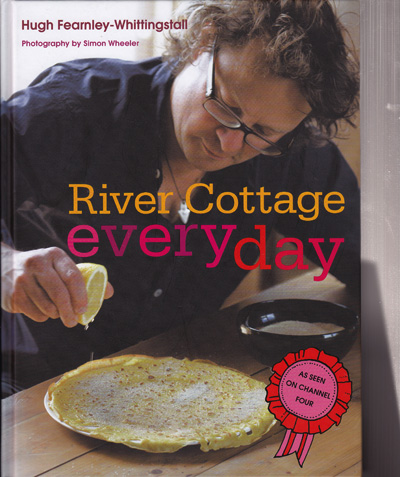
From Hugh Fearnley-Whittingstall who says: “Of course, you don’t have to stick to three roots: you could use two, four or as many as suits you. Do always include potatoes, however, to give the mash body and to stop it getting too sweet.”
Swede or celeriac could also be used as a mash with potatoes.
Serves 6
Preparation and cooking: 30 minutes
Ingredients
500g carrots, peeled and cut into chunks
500g parsnips, peeled and cut into chunks
500g floury potatoes, peeled and cut into chunks
50g unsalted butter or 50ml rapeseed oil
100ml milk (or half milk and half double cream)
freshly grated nutmeg (optional)
sea salt and freshly ground black pepper
Method
Cook the carrots and parsnips in a pan of boiling salted water until tender. Cook the potatoes in a separate pan. Drain the vegetables and let them steam dry for a minute or two.
Put the carrots and pasnips in a food processor (or mash with a potato masher), with half the butter or oil, and blend to a creamy puree. Heat the milk and the remaining butter or oil in the pan in which the potatoes were cooked, then add the potatoes and mash until smooth.
Combine the mashed vegetables, adding plenty of seasoning, including nutmeg if you like, to make a creamy, golden mash. Serve steaming hot, with sausages or roast lamb or venison.
This week, small boxes will have:
potatoes (Benbole Farm)
* savoy cabbage (Jeremy Brown, St Kew Harvest)
onions (Restharrow Farm, Trebetherick)
carrots (Restharrow Farm)
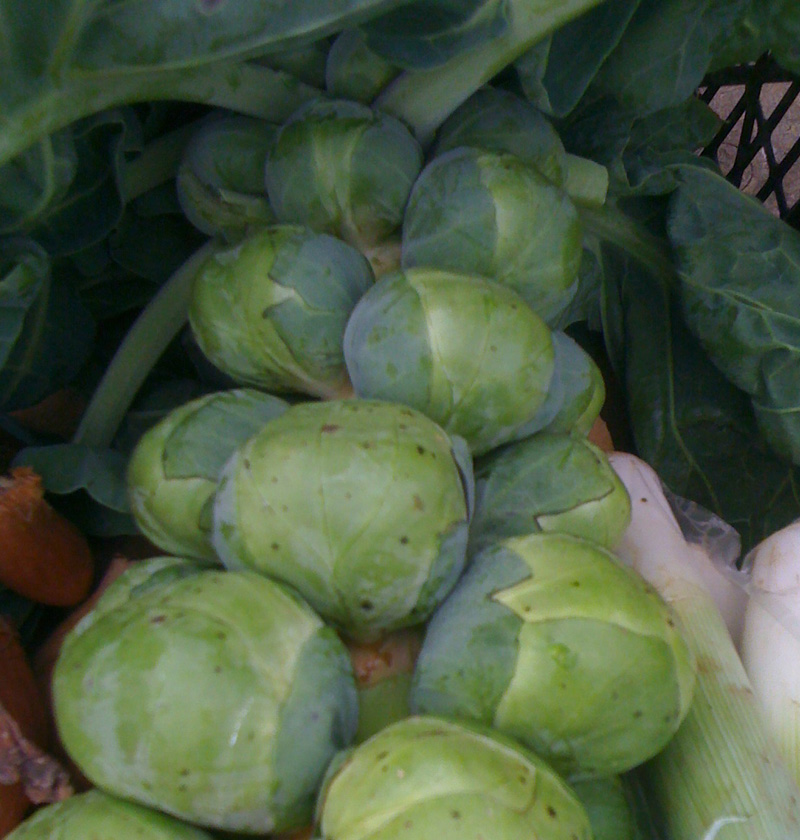
sprout stalk (Restharrow Farm)
cauliflower (Restharrow Farm)
Standard boxes will have extra potatoes and an extra cauliflower as well as:
* leeks (Jeremy)
swede (Restharrow Farm)
* = grown to organic principles
January 21, 2011
From Sarah Raven’s Garden Cookbook. Serve with basmati rice and cucumber raita (yoghurt, garlic and chopped cucumber). It’s really tasty.
Serves 8
Preparation and cooking: about 40 minutes
Ingredients
1 large onion, finely chopped
3 garlic cloves, finely chopped
a little vegetable oil
1 heaped tsp medium curry powder
25g fresh grated ginger
2 green chillies or 1 red, finely chopped
salt and black pepper
25g chickpeas, soaked overnight and cooked till tender, or 2 x 400g tins
400ml tin of coconut milk
250g button mushrooms, halved
juice of 1 lime
2 lemon grass sticks
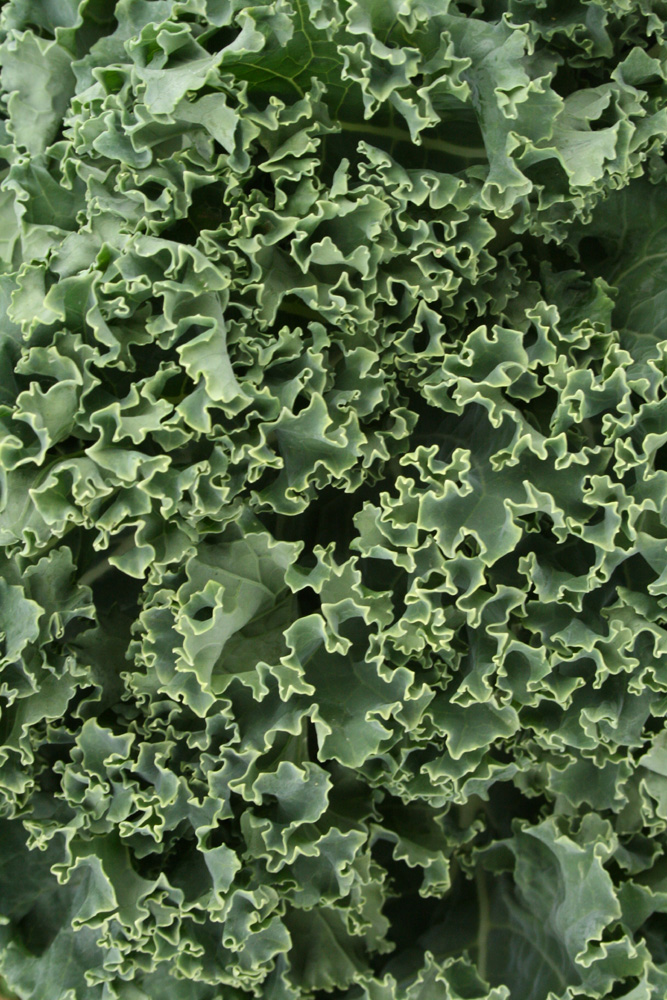
15 medium kale leaves
2 tbsp soy sauce
2 tbsp Thai fish sauce
large bunch of coriander
Method
Fry the onion and garlic gently in the oil until soft. Add the curry powder, fresh ginger, chilli, salt and pepper and stir.
Next, add the cooked chickpeas (drain and rinse tinned ones if using), coconut milk, mushrooms, lime juice and lemon grass sticks, and simmer for 30 minutes.
Remove the stems from the kale and chop the leaves into strips. Steam them for 5 minutes and then add them to the chickpea mixture. Add the soy and fish sauces.
Scatter with coarsely chopped coriander. This is best served warm when all the flavours seem to sing out.
This week small boxes will have:
potatoes (Benbole Farm)
onions (Restharrow Farm, Trebetherick)
curly kale (Restharrow Farm)
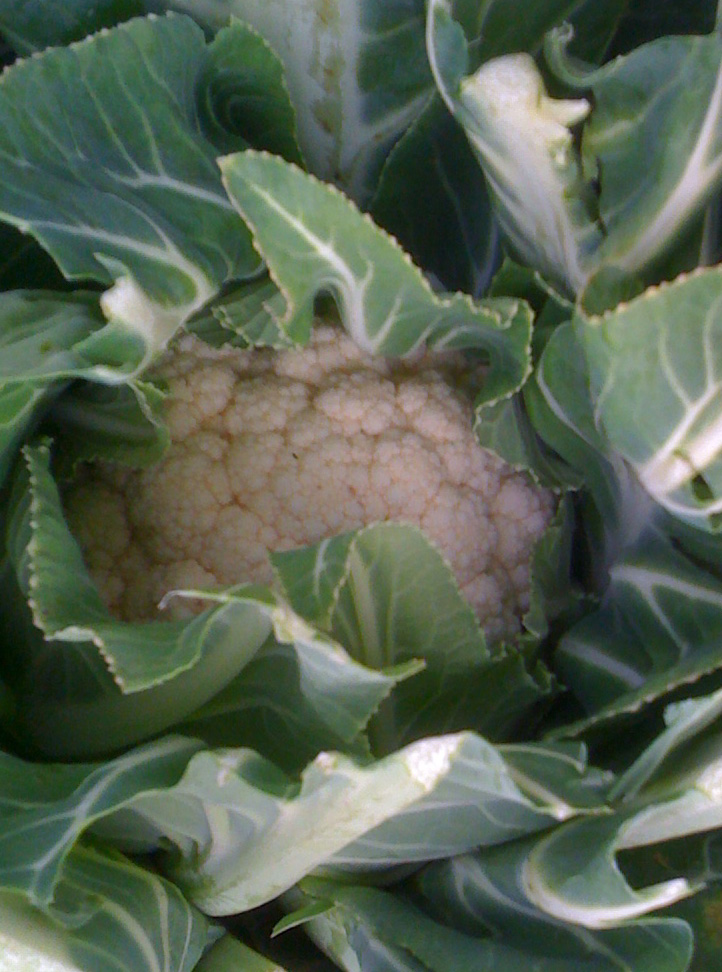
cauliflower (Restharrow Farm)
carrots (Restharrow Farm)
* leeks (Jeremy Brown, St Kew Harvest)
Standard boxes will have extra potatoes and onions plus:
* jerusalem artichokes (Camel CSA)
red cabbage (Restharrow Farm)
swede (Restharrow Farm)
* = grown to organic principles