
March 5, 2011
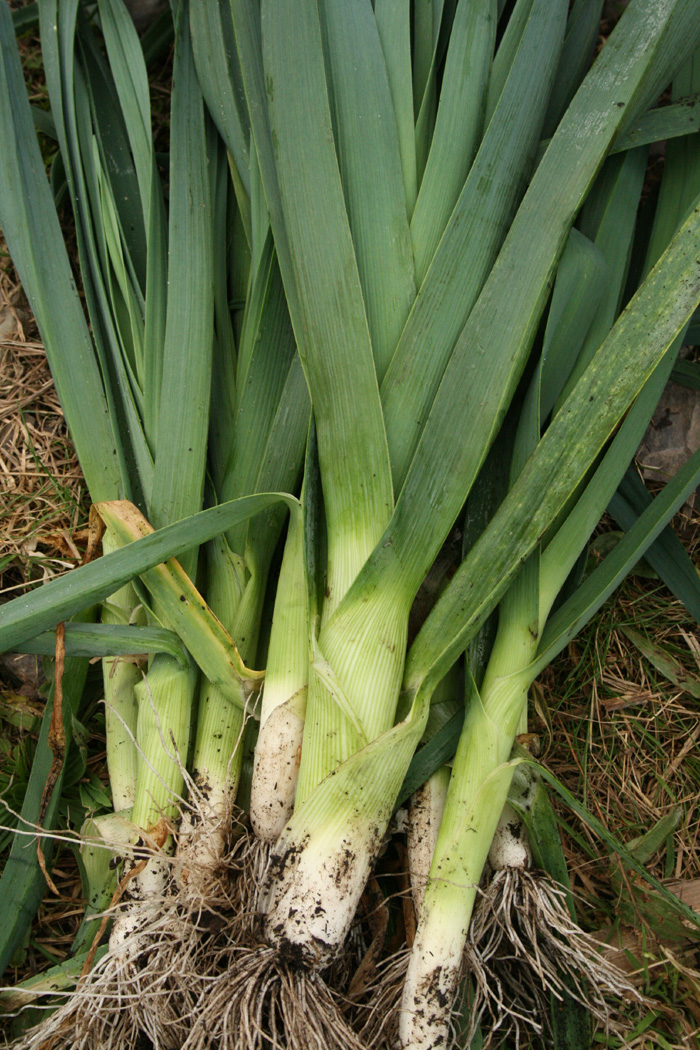
A recipe from Skye Gyngell’s How I Cook. It specifies small leeks but works just as well with larger ones although they’ll need to be cut up a bit smaller than she suggests! It can be prepared ahead and reheated just before serving.
Serves 6
Preparation and cooking: around 40 minutes
Ingredients
12 small leeks
50g unsalted butter
bunch of thyme
60g freshly grated parmesan
salt and pepper
1 tbsp chopped parsley
Method
First trim off the top of the leeks, leaving only a small amount of green, and trim the root end. Now slice the root lengthways into quarters, cutting almost but not quite through to the base. Rinse well under cold running water,shaking to loosen any dirt.
Lay the leeks in a medium, shallow pan and pour in just enough water to cover.Bring to the boil over a high heat, then lower the heat to a simmer and cook, uncovered, until the water has reduced by a third. Add the butter and thyme and continue to cook until almost all the water has evaporated, leaving glossy, sweet, soft leeks. Discard the thyme.
Scatter over the parmesan and season generously with pepper, adding a little salt only if needed. Sprinkle with the chopped parsley and serve.
March 4, 2011
All of this week’s boxes will have:
potatoes (Benbole Farm, St Kew)
onions (Restharrow Farm, Trebetherick)
white sprouting broccoli (Restharrow Farm)
purple kale (supplied by R.E. Dennis, Bodmin)
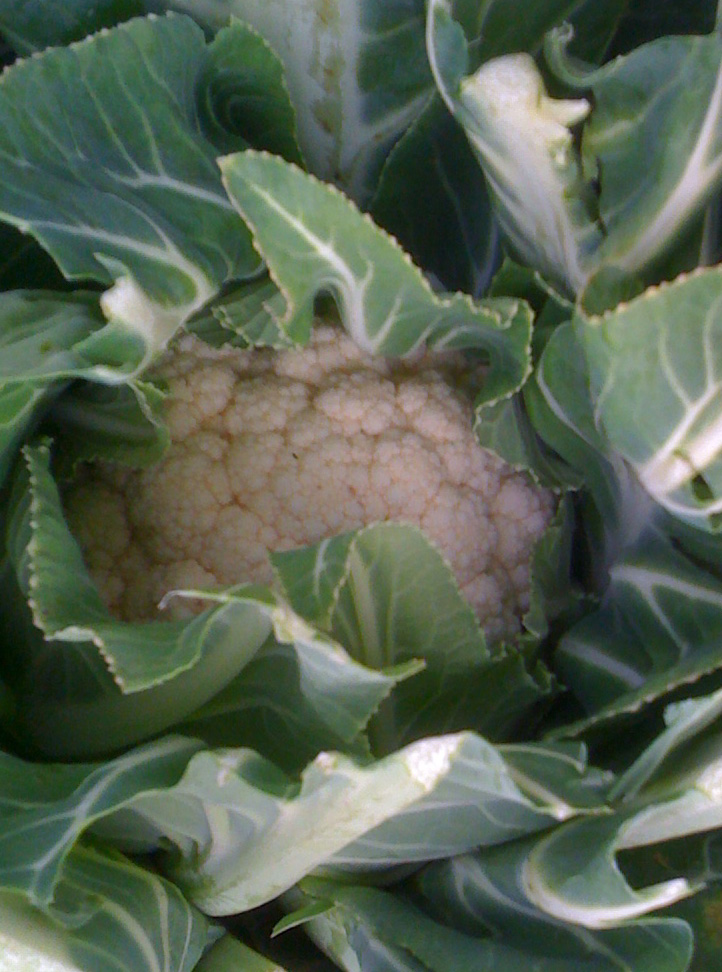
cauliflower (R.E. Dennis)
swede (Restharrow Farm)
Standard boxes will have extra potatoes and onions plus:
* leeks (Jeremy Brown, St Kew Harvest)
* jerusalem artichokes (Jeremy)
cabbage tundra (R.E. Dennis)
* = grown to organic principles
February 25, 2011
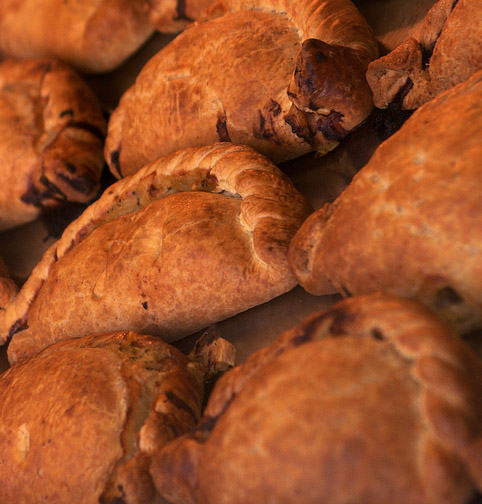
To celebrate the fact that the Cornish Pasty Association (CPA) has received Protected Geographical Indication (PGI) status for its world famous pasty, we thought you might like a traditional Cornish pasty recipe. The difficulty is finding the decisive recipe – there are as many variants as there are pebbles on the beach – but most people agree on the following:
- use a good cut of beef – skirt is the best, chuck is an alternative
- include swede (known as turnip in Cornwall), onion and potato but never carrot
- whether the ingredients are diced or sliced is debatable, but they must go in raw
- seasoning is restricted to salt and plenty of pepper
- the pastry is traditionally shortcrust, made with lard (though a Cornish friend always makes rough puff pastry for hers)
- add a knob of butter or a spoonful of cream for extra richness
The recipe that follows uses grated frozen lard – which adds to the preparation time. Use your normal shortcrust pastry if you prefer.
Serves 4
Preparation: 1 hour +
Cooking: 45-50 minutes
Ingredients
for the pastry:
350g block of lard
450g strong plain flour
pinch of salt
ice cold water to mix
for the filling:
400g beef (skirt or chuck), trimmed and diced
200g onion
200g swede
600g potatoes
salt and pepper
butter/cream
egg wash
Method
Put the lard in its wrapper in the freezer and leave for about an hour until hard. Sift flour and salt into a mixing bowl. Remove the lard from the freezer, peel back the paper, dip into the flour and grate it into the bowl, dipping back into the flour every now and again to make the grating easier. Mix the grated lard evenly into the flour by making sweeping scoops with a palette knife until it resembles heavy breadcrumbs. Stir in 1 tbsp of water at a time until the dough clings together, then form it into a ball. Place the dough in a plastic bag and chill in the fridge for 30 minutes.
Preheat the oven to 200C/gas 6. Keeping separate piles, peel and coarsely chop the onion and peel and dice the swede and potatoes. Roll out the pastry and cut out four circles about the size of a small dinner plate. Sprinkle onion and swede across the centre of the pasty in an oval shape, leaving a 2cm border. Season with salt and pepper. Cover with the meat and then half the potato. Season again and then add the remainder of the potato.
Moisen half the pastry border with a little water, bring up each side of the circle of pastry to enclose the filling, and press together to form a ridge. Crimp with your fingers (see note below).
Grease a flat baking sheet and sprinkle with water. Transfer the pasties to the sheet, prick them in a few places on either side of the seam with a fork and paint all over with egg wash. Bake for 15 minutes, then lower the temperature to 150C/gas 2 and cook for a further 30-40 minutes.
NOTE: How and where to crimp is another question. Some say the crimp should be on top, some on the side. My Cornish friend says she does the crimping on the side then turns the pasty over as she puts it on the baking sheet so that the crimp ends up on top. The CPA’s own recipe shows the crimp on the side.
February 24, 2011
Small and standard boxes will have totally local vegetables:
onions (Restharrow Farm, Trebetherick)
potatoes (Benbole Farm, St Kew)
* garlic (Mark Norman)
* parsnip (Mark)
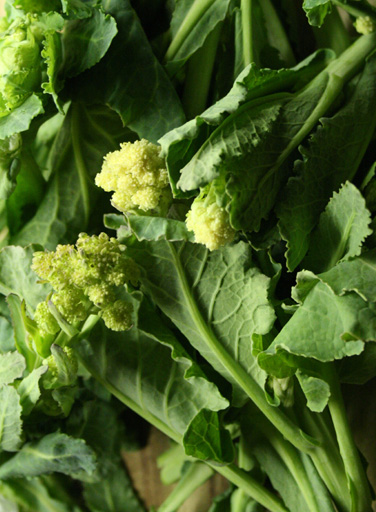
white sprouting broccoli (Restharrow Farm)
* leeks (Jeremy Brown, St Kew Harvest)
savoy cabbage (Restharrow Farm)
Standard boxes will have extra potatoes and onions plus:
* jerusalem artichokes (Jeremy)
* mixed salad bags (Mark)
* = grown to organic principles
February 23, 2011
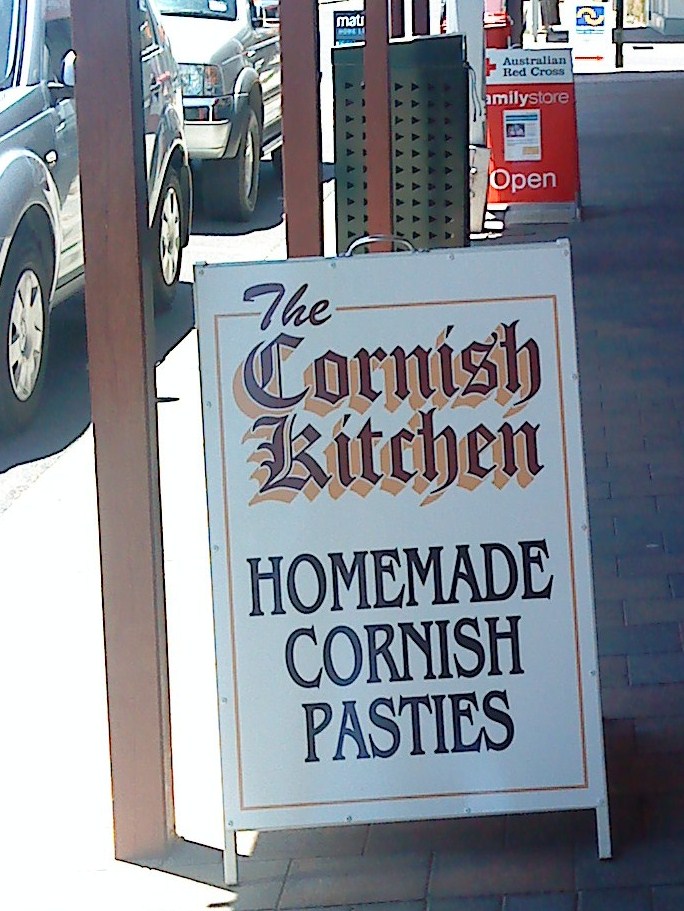
Oggy! Oggy! Oggy! So traditional Cornish pasties made here in Cornwall are now safeguarded by European Protected Geographical Indication status. What a mouthful.
But the delicious taste of victory could be spoilt by an undignified row about exactly how the pastry case should be crimped and precisely what should go inside it.
Personally I feel sorry for the Australians, who might now have to think what to call their so-called “Cornish” pasties. It’s a good thing they don’t export them to Europe. They’ve already had to give up marketing Australian sparkling wine as “champagne”.
Pasties are particularly popular in the Cornish Triangle or Copper Coast on the Yorke Peninsula in South Australia where Cornish miners, known as Cousin Jack, emigrated in the 19th century.
My own experience is that “Cornish” pasties made in Australia, even in the friendly and delightful South Australian town of Moonta (pictured), are a poor relation of the genuine article.
Soggy rather than oggy, unfortunately.
Update: It turns out the Australians are a little upset about this – see Cornish ruling worries Aussie pasty makers – ABC
February 21, 2011
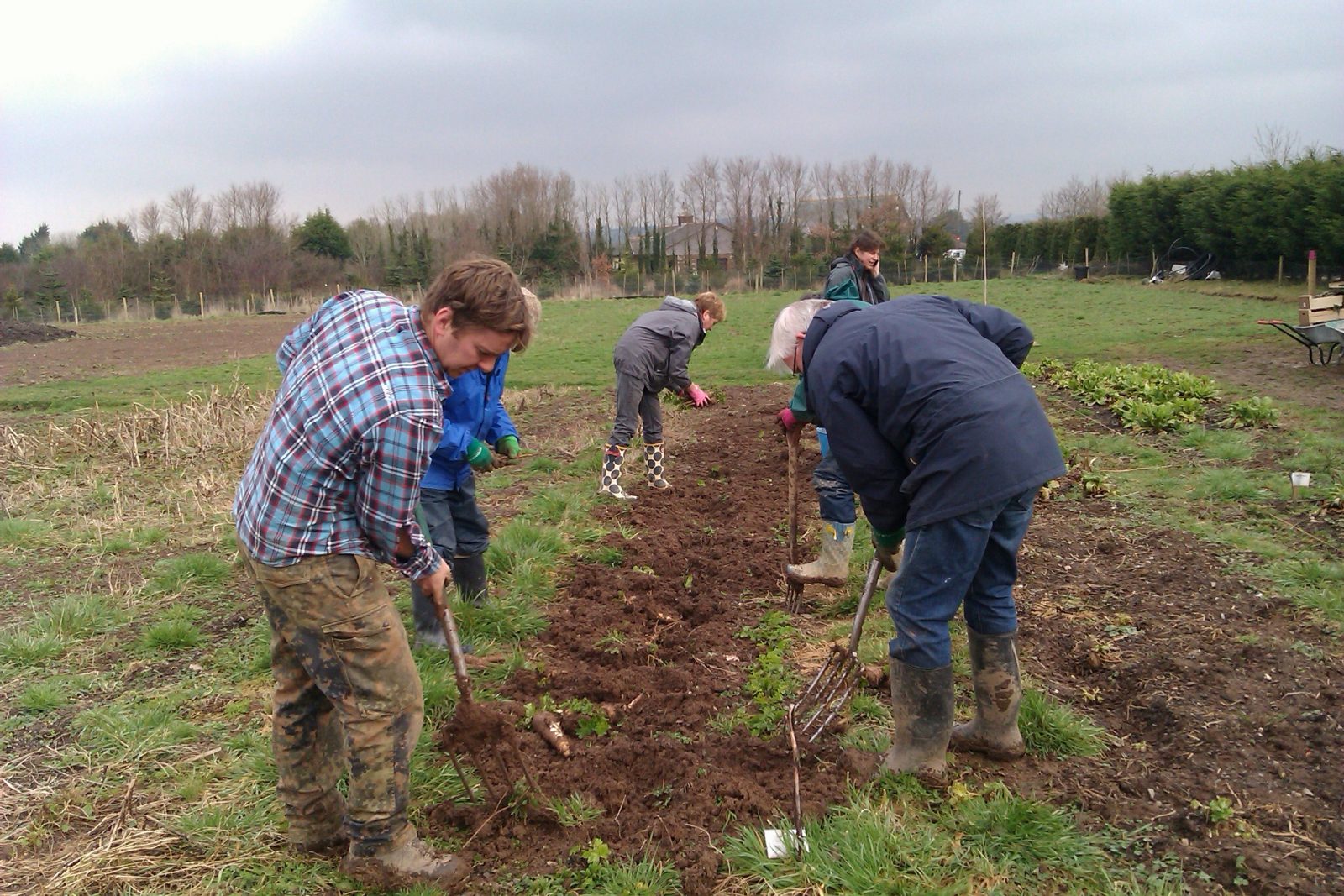
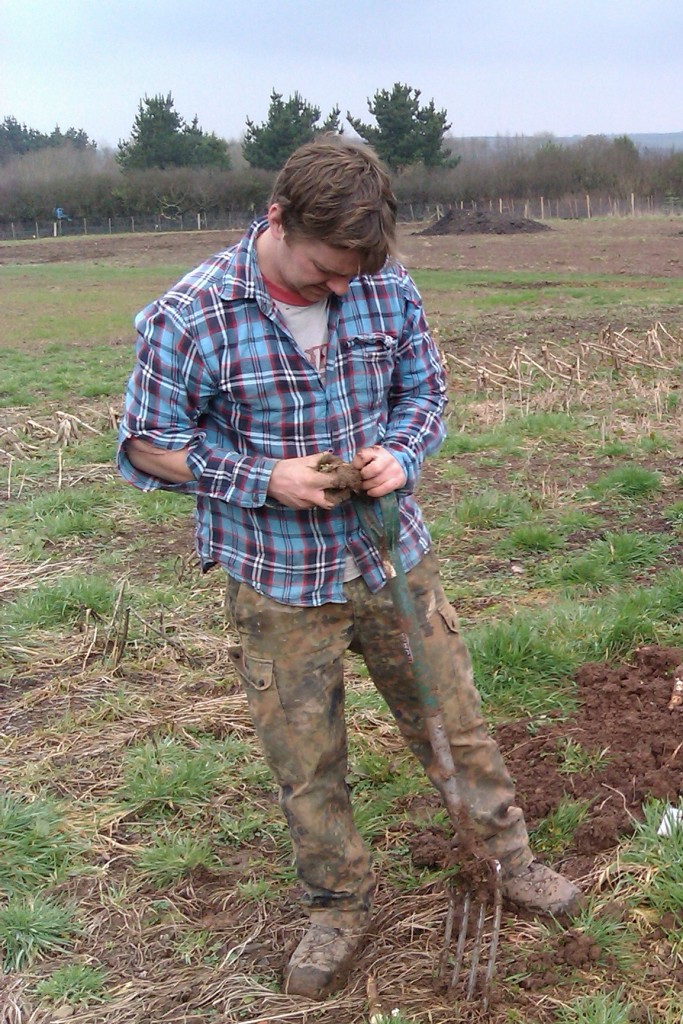
Camel Community Supported Agriculture’s volunteers have harvested the last of the parsnips for the weekly vegetable boxes.
Now we’ve dug up all the Jerusalem artichokes as well, there’s only some frost-bitten Swiss chard remaining out of what we grew last year.
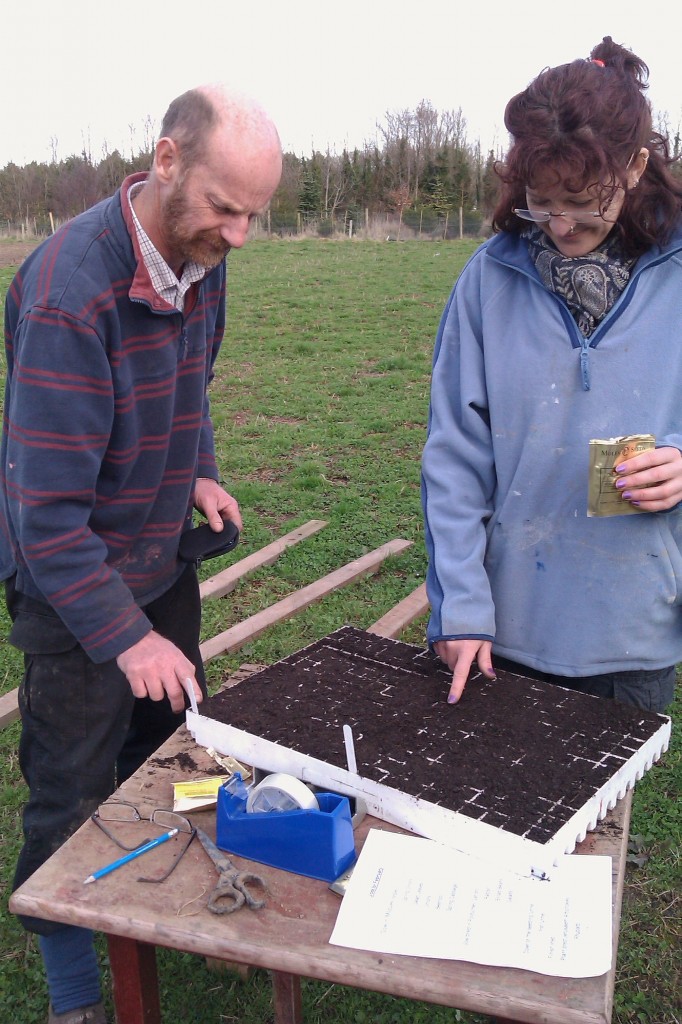
At the same time we’ve planted the first of this season’s seeds in growing modules – spring onions, lettuce, onions and parsley.

February 18, 2011
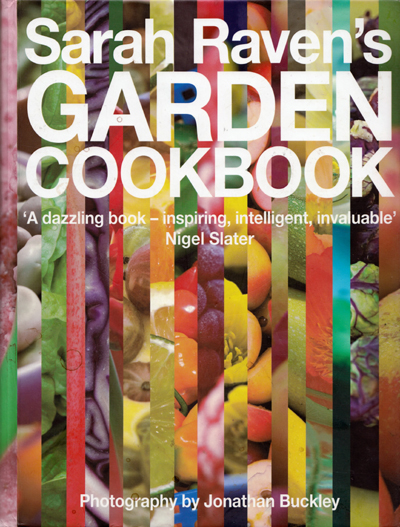
From Sarah Raven’s Garden Cookbook. Good with a sharp tartare sauce or mustard mayonnaise, she says. They freeze well, so you can make lots in one go.
For 8 fishcakes
Preparation and cooking: 40 minutes
Ingredients
½ onion, chopped
75g streaky bacon, chopped
300g smoked haddock
1 bay leaf
6 cloves
275 milk
150g parsnips, chopped
150g potatoes, chopped
10g butter
chopped parsley
1 red chilli, finely chopped (optional)
salt and black pepper
seasoned flour
1 egg, beaten
80g white breadcrumbs
olive oil, for frying
Method
Cook the onion with the bacon over a moderate heat for 10 minutes and put to one side.
Put the smoked haddock into a pan, together with the bay leaf and cloves. Pour over the milk, cover and bring to the boil. As soon as the milk boils, remove from the heat and allow the fish to cool in the liquid.
Boil or steam the parsnips and potatoes together until they are tender. Mash them with the butter and a dash of the boiled milk and season well.
Combine the onions, bacon, mashed potatoes and parships, parsley and chilli, if using. Barely flake the fish, and fold carefully into the vegetable mixture. The fishcakes are far nicer if the flakes of fish are intact. Adjust the seasoning.
Dust your hand with seasoned flour and shape balls of the mixture into cakes. Dip these into the beaten egg and coat with the breadcrumbs.
Shallow-fry in the olive oil until golden or bake for 15-20 minutes in an oven preheated to 180C/gas mark 4. They can be made in advance and kept on a baking tray in the fridge until you want to cook them.
February 17, 2011
Small and standard boxes will all have:
potatoes (Benbole Farm, St Kew)
onions (Restharrow Farm, Trebetherick)
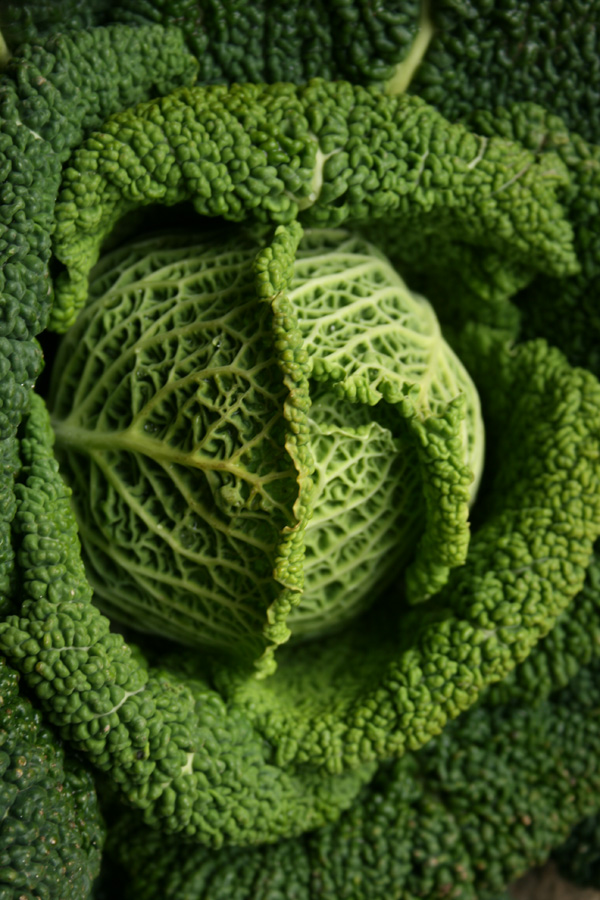
savoy cabbage (Restharrow Farm)
* garlic (Camel CSA)
* parsnips (Camel CSA)
cauliflower (Celtic Produce)
Standard boxes will also have extra potatoes, onions and garlic plus:
* leeks (Jeremy Brown, St Kew Harvest)
* jerusalem artichokes (Jeremy)
swede (Celtic Produce)
The beetroot delivered by Celtic Produce turned out to be from Spain, not Cornwall. So box share members are being given the option to take a bunch only if they want it.
* = grown to organic principles
February 14, 2011
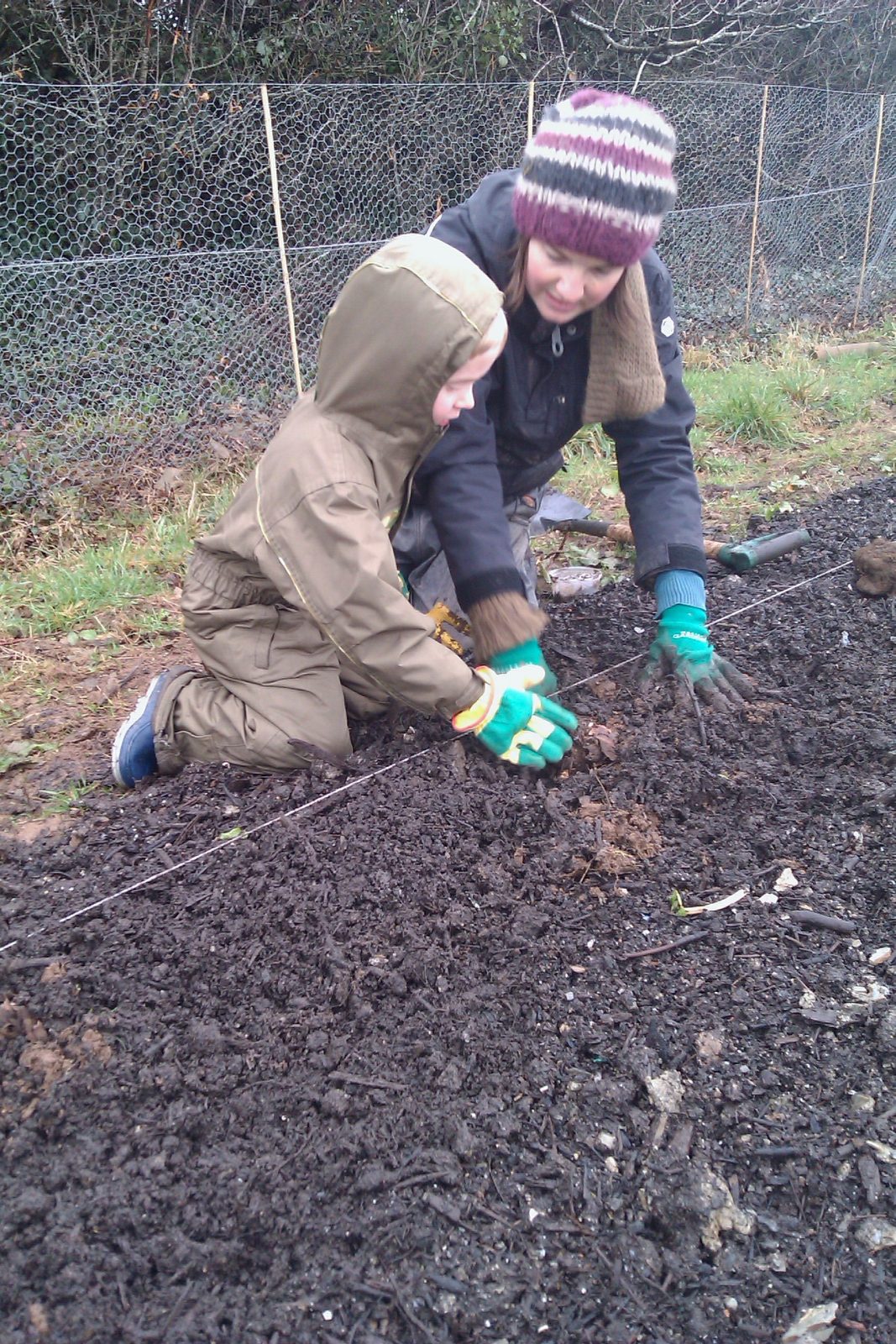
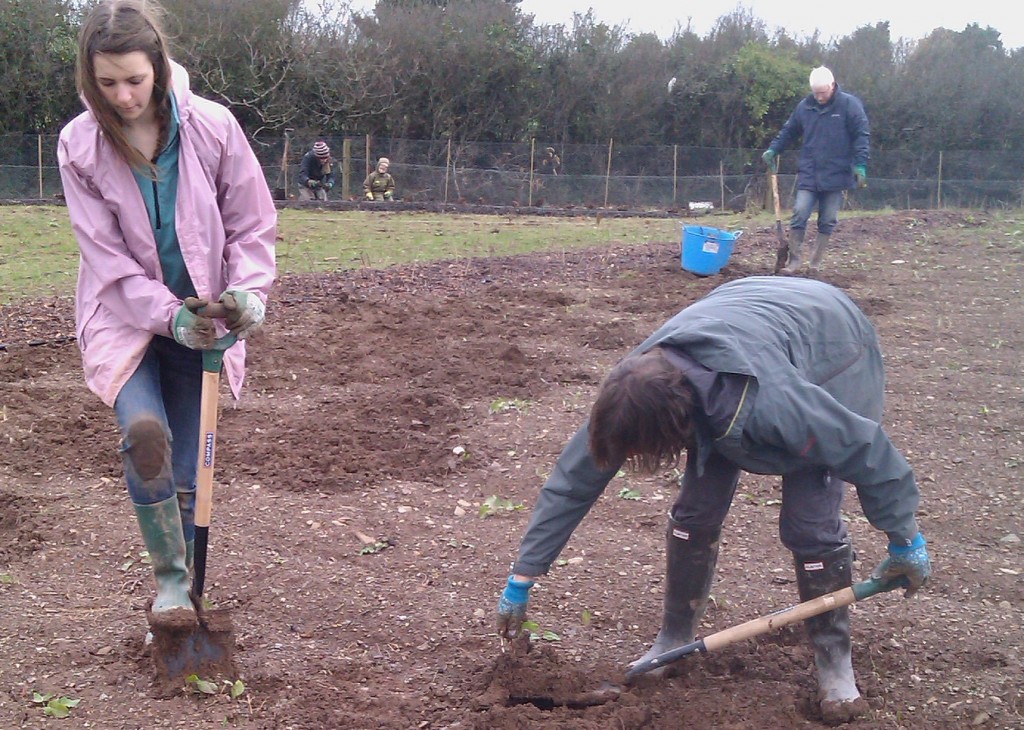
The growing team have begun digging out the dock weeds that are springing up all over our brassica plot.
Camel Community Supported Agriculture’s commitment to growing vegetables organically means no chemical sprays! So every broad-leaved dock must be painstakingly dug out by hand. We need to avoid breaking the roots, as any remaining fragments will re-sprout.
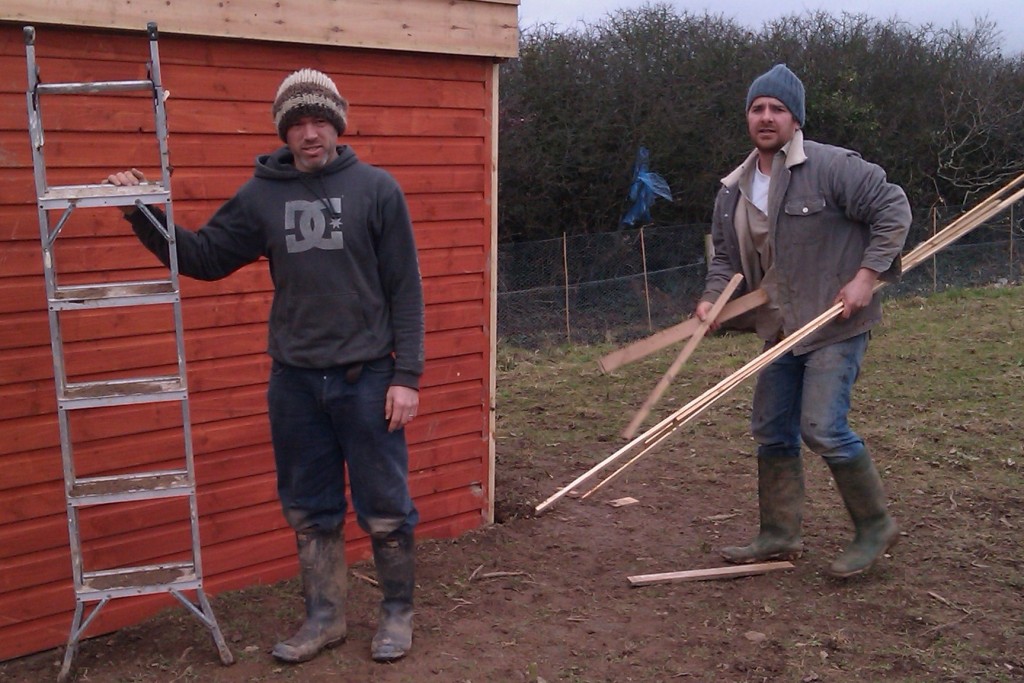
We’ve planted rhubarb in the perennial area, where we’re preparing to grow gooseberries, raspberries, globe artichokes and Jerusalem artichokes. Work also continues on the interior of the toolshed.
Thanks to expert growers Jane, Jeremy B, Mark N plus volunteers Antonina, Bob, Bridget, Cath, Charlotte, Dan, Danny, Evie, Gav, Gillian, Mark M, Mike S, Paul, Sophie, Trish F, and children Aimee, Carla, Christian, Finn, Freddie, Keira, Max, Sammy, Seth, Sophie.
February 11, 2011
From Sybil Kapoor’s Modern British Food. Eat as soon as it’s cooked.
Serves 4
Preparation: 5 minutes
Cooking: 10 minutes
Ingredients
115g soft goat’s cheese, roughly diced
1 tbsp finely chopped chives
2 tbsp walnut (or olive) oil
4 spring onions, finely sliced
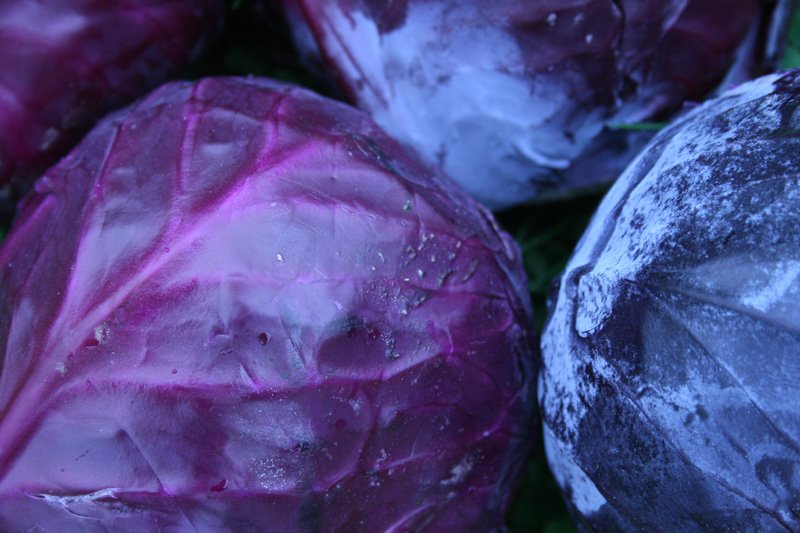
225g red cabbage, cored, quartered and finely sliced
1 dessert apple, cored, quartered and thinly sliced
30g walnut halves
1-3 tbsp balsamic vinegar
salt and pepper
Method
Place the goat’s cheese and chives in a large salad bowl.
Heat the oil in a large frying pan and quickly stir-fry the spring onions and cabbage until they begin to wilt. At this stage add the sliced apple, walnut halves, vinegar and seasoning to taste. Allow to heat through and then toss into the cheese and chive bowl. Quickly mix and serve warm.