
March 25, 2011
This week everyone will have:
potatoes (Benbole Farm, St Kew)
* leeks (Jeremy Brown, St Kew Harvest)
* jerusalem artichokes (Jeremy)
onions (Restharrow Farm, Trebetherick)
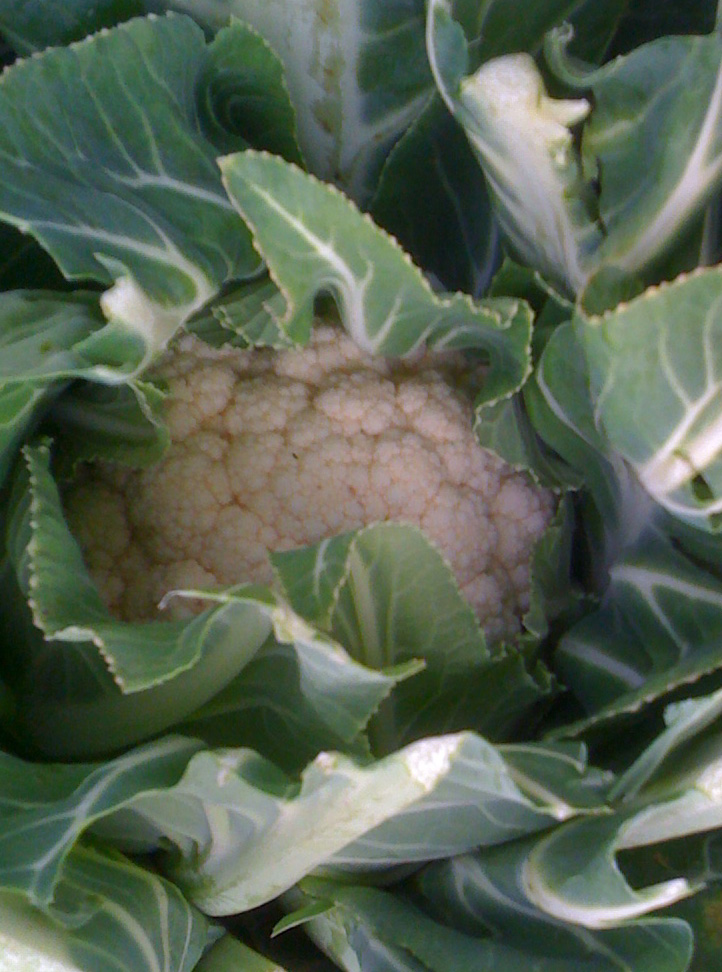
cauliflower (Restharrow Farm)
white sprouting broccoli (Restharrow Farm)
savoy cabbage (Growfair, Cornwall)
Standard boxes will have extra potatoes and onions plus:
* salad leaves (Mark Norman)
red cabbage (Restharrow Farm)
swede (Growfair, Cornwall)
* = grown to organic principles
March 21, 2011
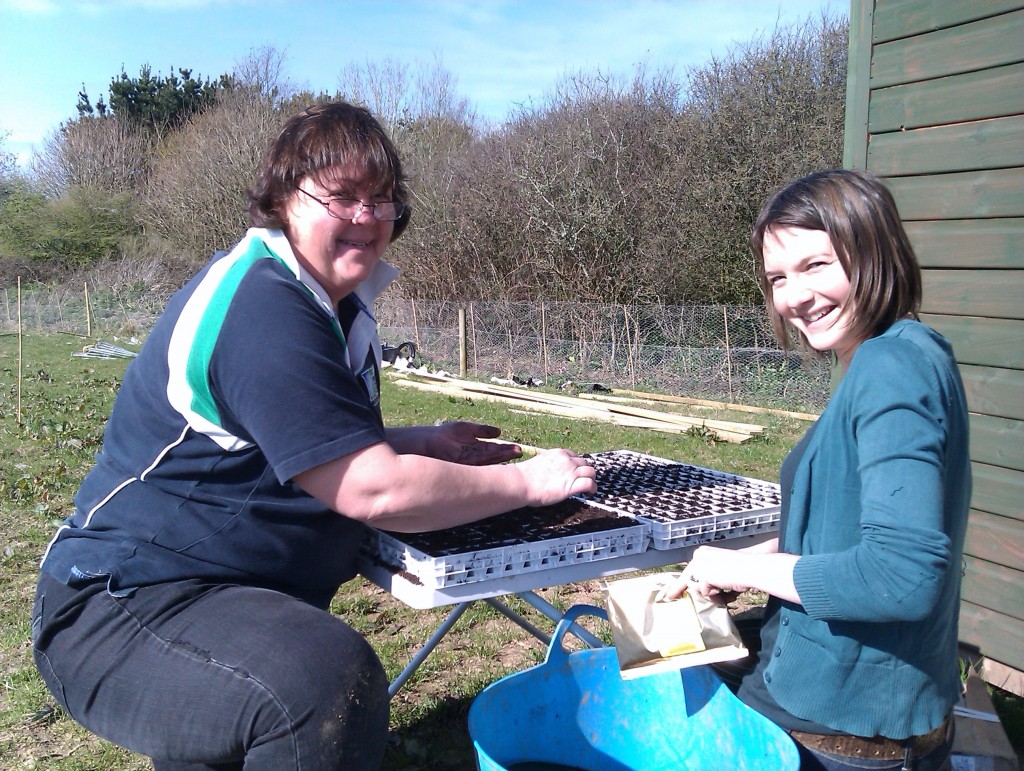
Camel CSA’s growing team continue to prepare the veg beds and sow seeds on our community veg plot.
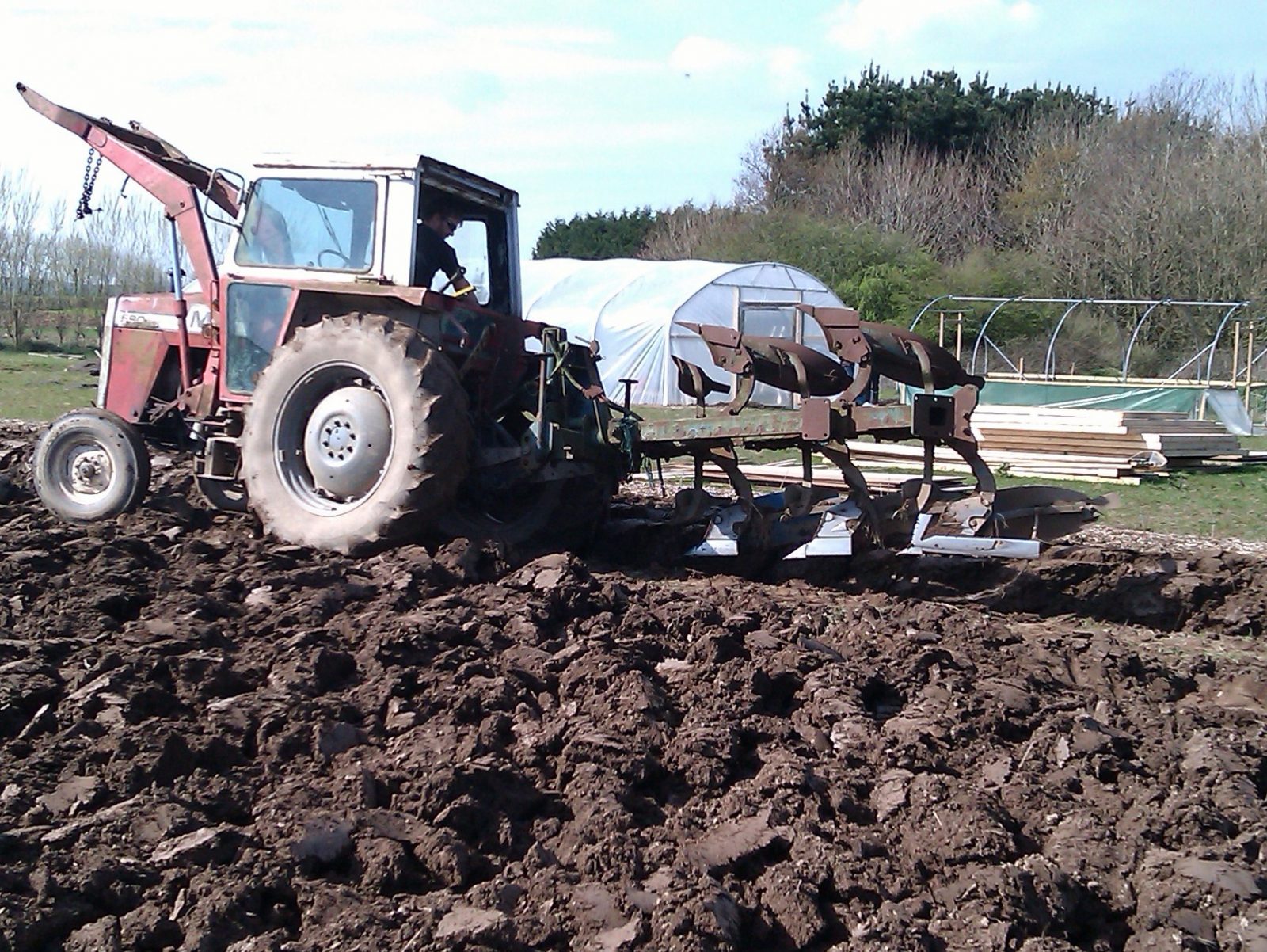
Expert grower Jeremy Brown has ploughed one side of our two-acre plot in preparation for the sowing of alliums, roots and legumes. The first seeds in the ground will be broad beans, shallots and onion sets.
The soil in the first polytunnel has finally been dug over. It can now be rotavated before we plant early salad crops, carrots, beetroot and french beans.
Our volunteers are still valiantly trying to dig out all the dock weeds. This is not a popular task.
More jobs
The team’s also been sowing additional seeds in modules – salad rocket, canary yellow and blood red leaf beet, multi-coloured and silver Swiss chard.
Thank you to this Sunday’s volunteers – expert growers Jane M and Jeremy B, plus Charlotte, Danny, Mary and Mike S.
Over the next few weeks there’s plenty more jobs to tackle. The seeding tunnel needs covering, the potting shed is awaiting construction, the second large polytunnel is ready to be erected.
And – sigh – there’s hundreds more of those damned docks to dig up…

March 18, 2011
One of Angela Hartnett’s ‘midweek suppers’ from the Guardian. She says the secret is not to over-cook the cauliflower and add it to the curry mix while it is still warm so it absorbs all the flavours. Eat on its own, with steamed rice, or cheat and buy some naan bread.
Serves 4-6
Preparation and cooking: about 15 minutes
Ingredients
1 whole cauliflower
3 medium onions
4 cloves of garlic
½ tsp chopped fresh ginger
2 tsp ground coriander
2 star aniseed
½ tsp ground chilli
4 curry leaves
2 tsp garam masala
2 tsp ground cumin
1 tin of chopped tomatoes
1 tin of chickpeas, drained
2 tbsp chopped fresh coriander
Method
Remove the stalks from the cauliflower and cut into large florets. Add the cauliflower to a pan of boiling water and cook for five minutes. When ready, drain and then place back in the pan. Cover so it stays warm.
While the cauliflower is cooking, cut the onions into small pieces. Squash the garlic with the back of a knife to make it easier to peel. Chop until nice and fine.
In a pan,add a touch of butter, plus the onion, garlic and ginger, and saute until golden brown. In the same pan, add the dried spices and cook for a further five minutes. Add the tin of tomatoes and chickpeas and stir well. Then add the cooked cauliflower. Top up with 100ml of cold water and bring to a simmer for five to 10 minutes until the cauliflower is cooked.
Finish by adding the chopped coriander. Serve on a warm plate.
This week everyone will be getting:
potatoes (Benbole Farm, St Kew)
* leeks (Jeremy Brown, St Kew Harvest)
onions (Restharrow Farm, Trebetherick)
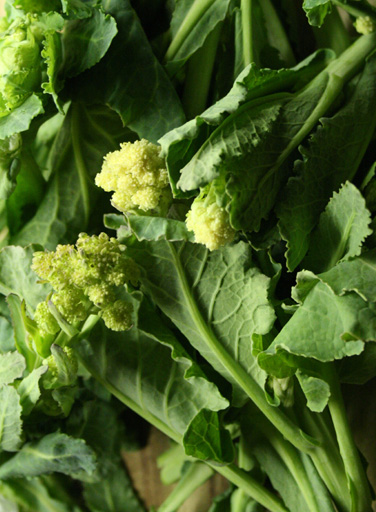
white sprouting broccoli (Restharrow Farm)
cauliflower (Restharrow Farm)
kale (Restharrow Farm)
lettuce (Growfair, Cornwall)
Standard boxes will have extra potatoes and onions plus:
* jerusalem artichokes (Jeremy)
swede (Growfair)
savoy cabbage (Growfair)
* = grown to organic principles
March 16, 2011
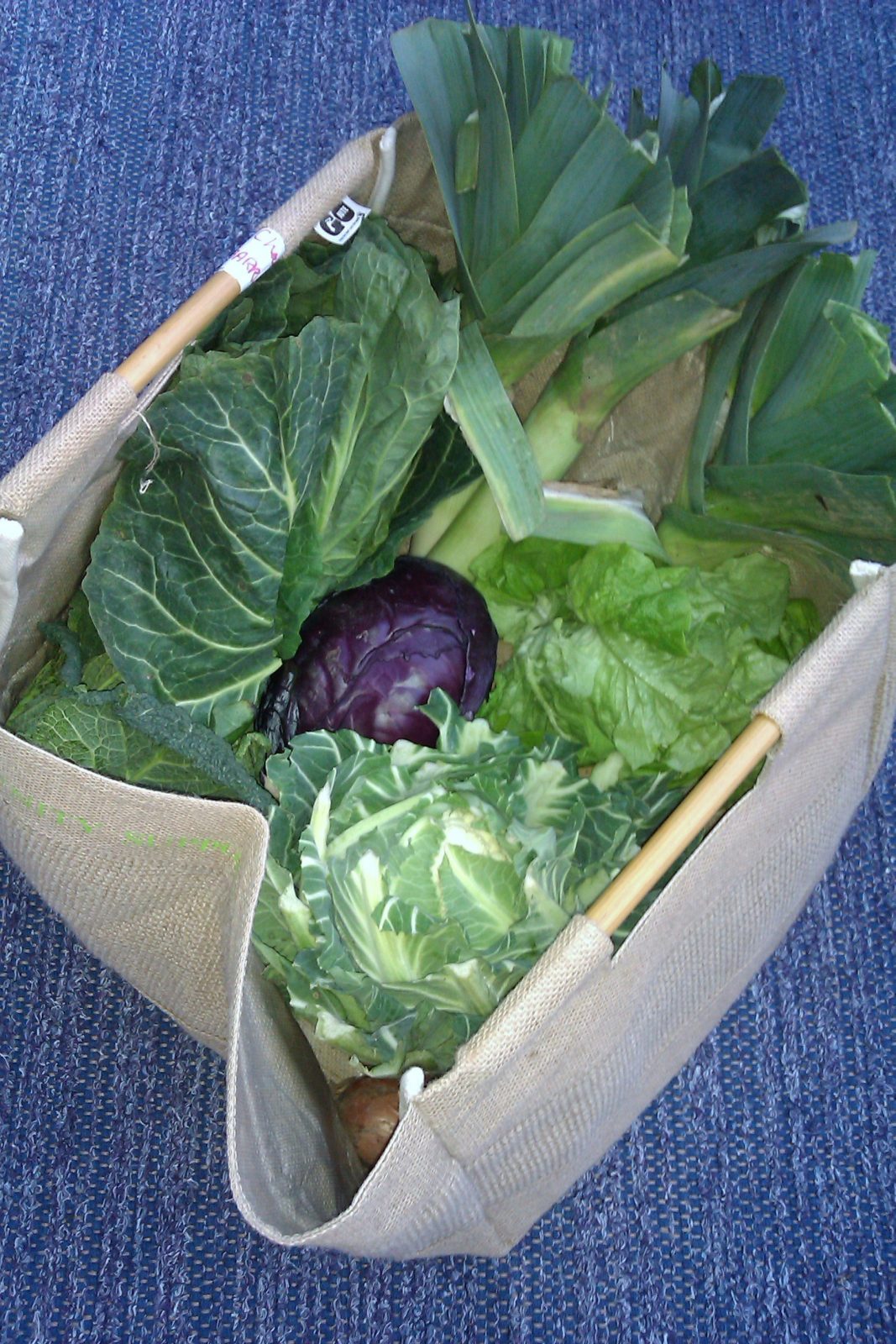
We’ve marked Fairtrade Fortnight with the launch of our new carbon-zero standard-size veg hampers. This follows a lengthy search for sustainable veg box containers.
After a successful trial, we’re now offering these biodegradable jute hampers to our members. We’ve purchased them from GoJute, a local firm based in St Austell, which operates to strict ethics.
Our new membership secretary Cath Simmons says:
These hampers will replace the assortment of boxes that are used at the moment. They’ll make the picking and packing sessions a lot more efficient as well as being very practical and good-looking. They’re lined and have sturdy bamboo handles.
As soon as we receive your order, your next weekly veg share will arrive in your new hamper.
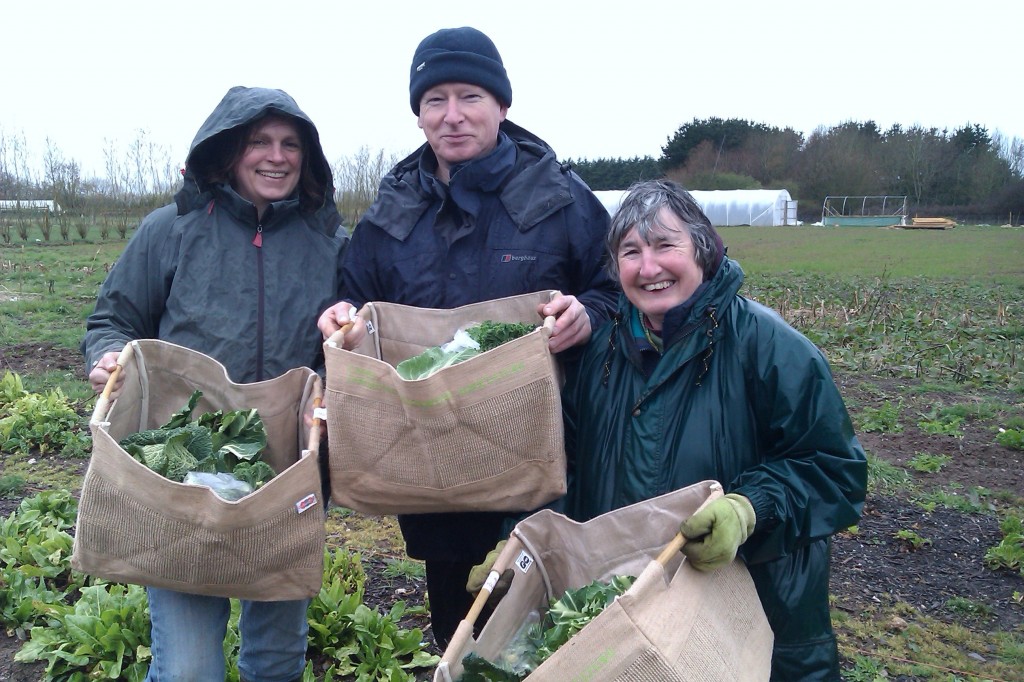
The bags are available to standard box customers for the cost price of £5.95 each, or two for £11.90. It’s a returnable deposit, provided the hampers are handed back to us in good condition.
Members will be able to leave an empty bag in the packing shed for when they pick up their veg the following week.
Small vegetable box customers will get this offer at a later date. Regrettably, our consignment of small jute hampers is stuck on the high seas after a maritime collision (you couldn’t make it up!) on the voyage from India.
We’ll keep you posted.
Jute suits – bags replace veg boxes – Cornish Guardian
March 14, 2011
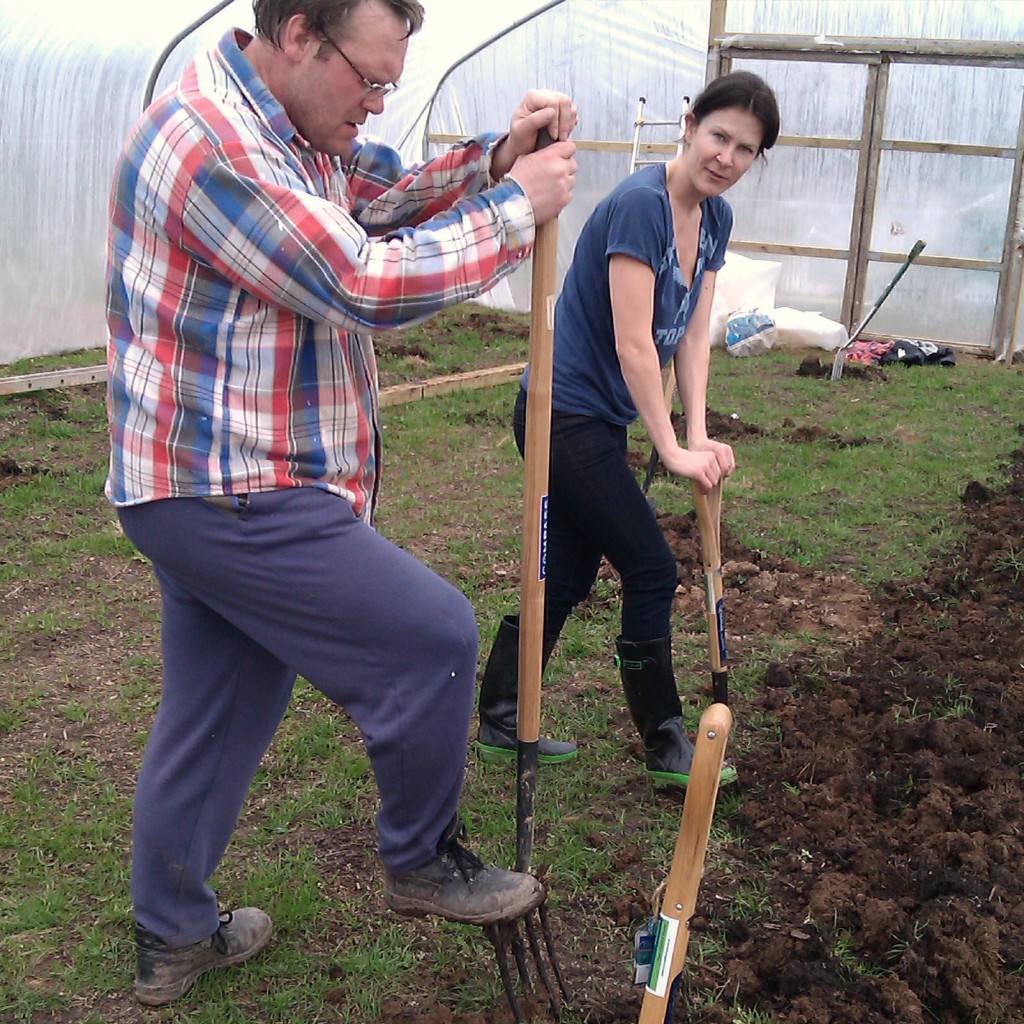
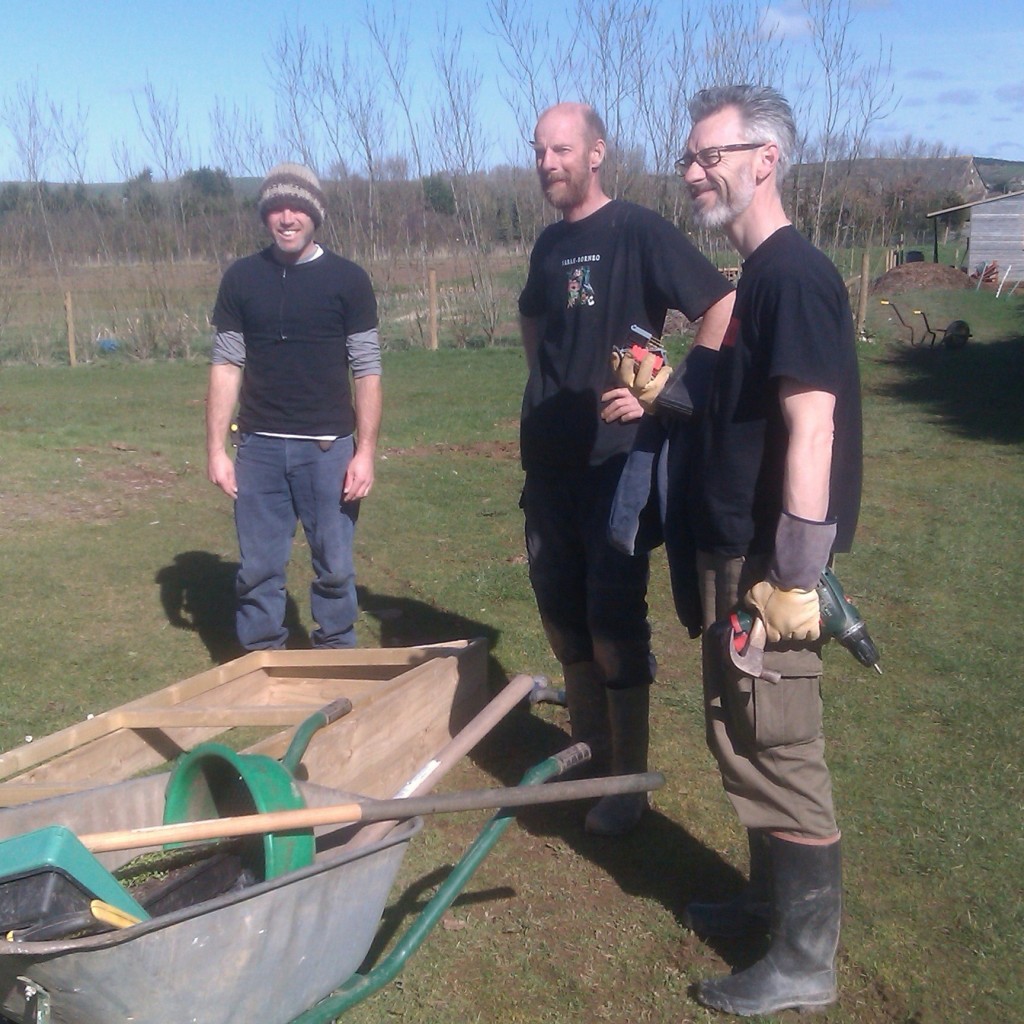
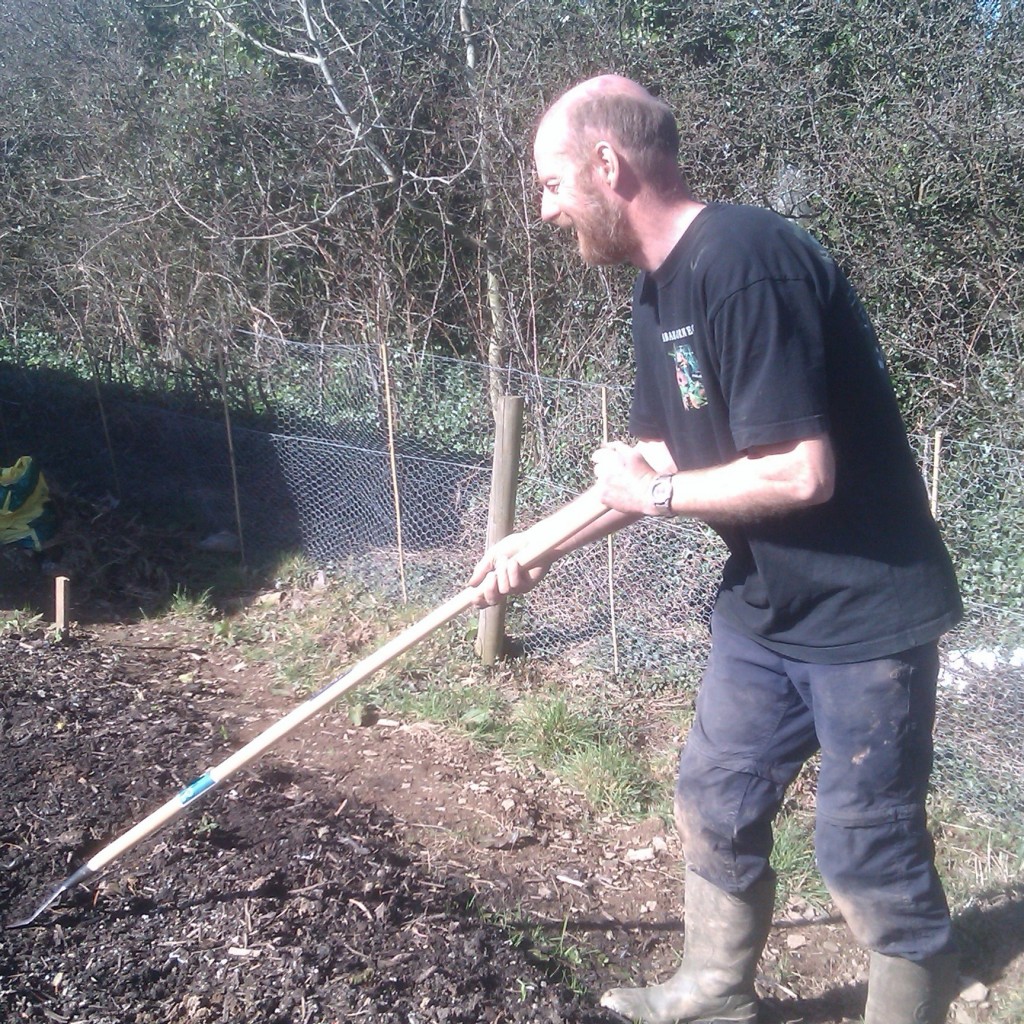
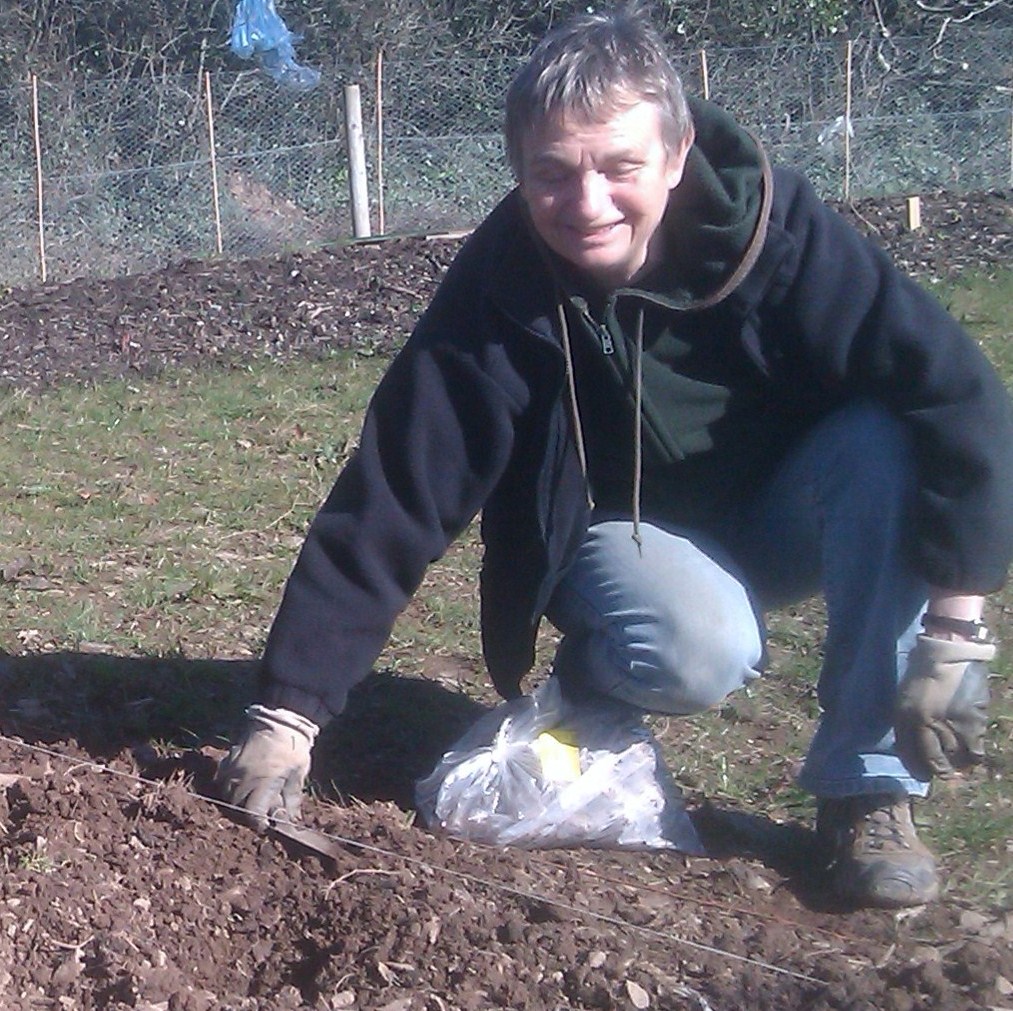
We’ve lots of activity to report from our community veg plot at St Kew Highway in north Cornwall.
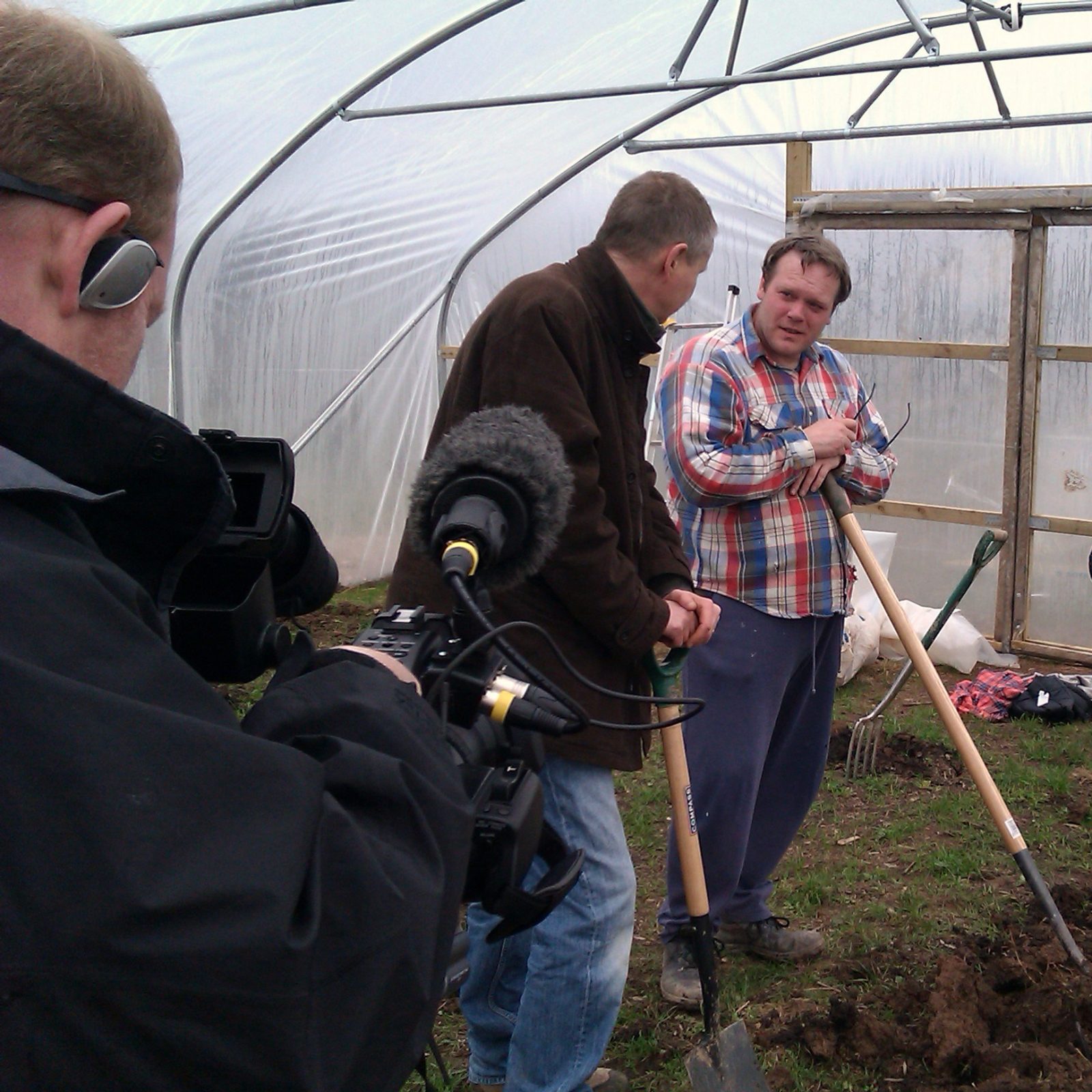
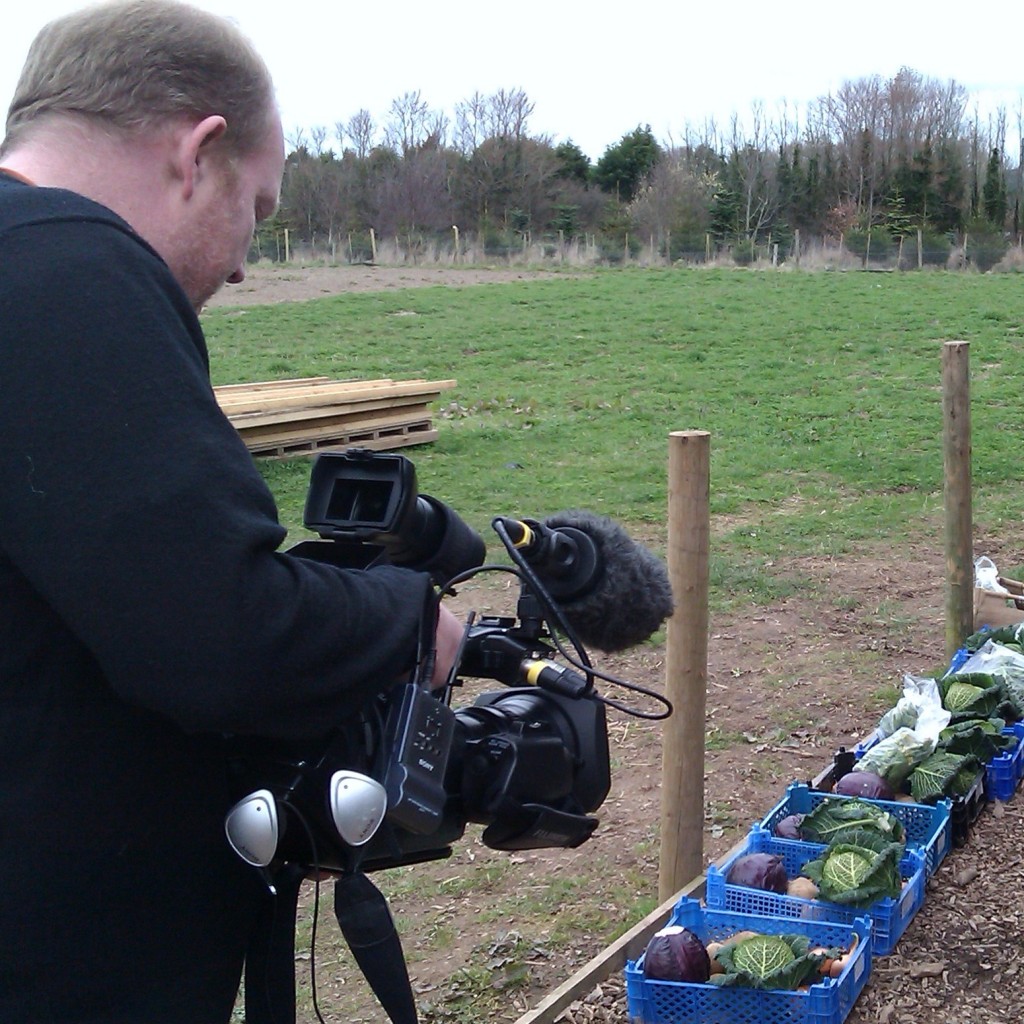
- BBC Inside Out South West has been to film us about initiatives to keep rural communities alive.
- We’ve begun digging up the ground inside the newly-covered polytunnel so we can sow early carrots,
French beans, beetroot and salad crops. Cold frames are also under construction. - We’ve planted two rows of Jerusalem artichokes, sown additional salad leaves in modules and pricked
out the parsley seedlings. - We’re continuing our onslaught on the dock weeds in the brassica beds.
Not bad for a mixed bunch of volunteers! Thanks to Bob, Bridget, Charlotte, Gav, Jane, Kitty, Mark M, Mark N, Mike S, Sophie. Also veg box packers Anne, Jenny, Penny, Robert, Trish, and Max (aged 5).

March 11, 2011
In another attempt to find another tasty use for those artichokes, this recipe from Hugh Fearnley-Whittingstall’s River Cottage Every Day might fit the bill – and you don’t even need to peel them. He says, ‘The earthy flavour of roasted artichokes is delicious with toasted hazelnuts. They have a tendency to collapse into fluffiness when roasted, but keeping the skin on stops them breaking up too much.’
Serves 4-6
Preparation and cooking: 50 minutes
Ingredients
75g hazelnuts
600g jerusalem artichokes
4 tbsp rapeseed or olive oil
2 sprigs of thyme
1-2 bay leaves
1 tsp hazelnut oil (optional)
½ lemon
a couple of handfuls of winter salad leaves (optional)
75g hard goat’s cheese, crumbled or shaved into strips with a vegetable peeler
salt and pepper
Method
First, toast the hazelnuts. Spread them out on a baking sheet in a single layer and place in an oven preheated to 180C/gas 4 for about 5 minutes, until lightly coloured and the skins blistered and cracked. Wrap in a clean tea towel for a minute and then rub vigorously with the towel until the skins fall off. Cool the chop very roughly or leave whole.
Turn up the oven to 190C/gas 5 and put a large roasting tin in to heat up. Scrub the artichokes well and cut into halves or quarters lengthways, depending on size – you need chunks about 1.5cm thick. Put them in a bowl and turn over in 3 tbsp of the oil with the thyme, bay and a little salt. Tip into the hot roasting tin and roast for about 35 minutes, until tender and lightly golden, turning them after about 15 minutes. Allow to cool slightly.
Whisk the remaining tbsp of oil with the hazelnut oil (if using), trickle it over the warm artichokes, squeeze on a good spritz of lemon juice and season with salt and a few grinds of black pepper. Turn them over gently with your hands to combine everything well. Add the hazelnuts and the salad leaves (if using), toss gently then divide between serving plates. Scatter over the crumbled or shaved goat’s cheese and serve.
This week everyone will have:
onions (Restharrow Farm, Trebetherick)
potatoes (Benbole Farm, St Kew)
white sprouting broccoli (Restharrow Farm)
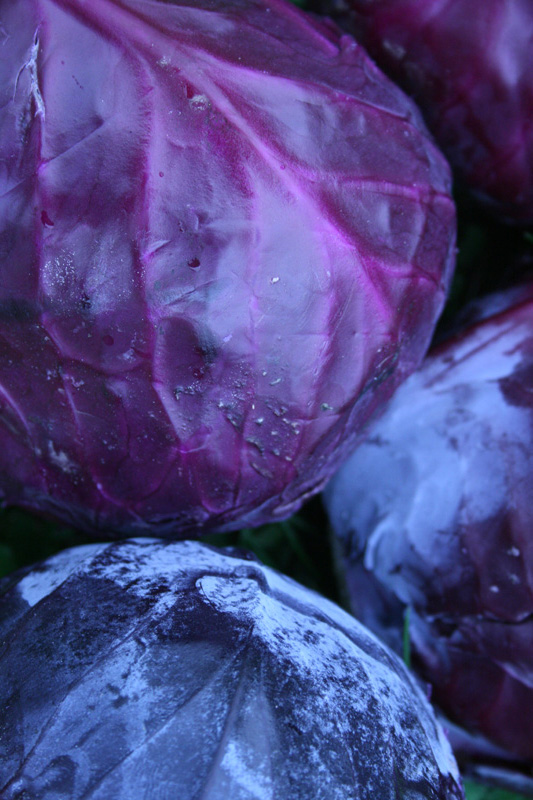
red cabbage (Restharrow Farm)
savoy cabbage (Growfair, Cornwall)
* jerusalem artichokes (Jeremy Brown, St Kew Harvest)
lettuce (Growfair)
Standard boxes will have extra potatoes and onions plus:
* leeks (Jeremy)
cauliflower (Growfair)
spring greens (Growfair)
* = grown to organic principles
Update: The boxes also contain a small bag of bean sprouts cultivated by Camel CSA expert grower Mark Norman in his linen cupboard! He did this as an experiment and is keen to grow some more. So please let us have your feedback. As there’s only a small amount, he suggests you try them sprinkled on top of salad or in a sandwich.
March 7, 2011
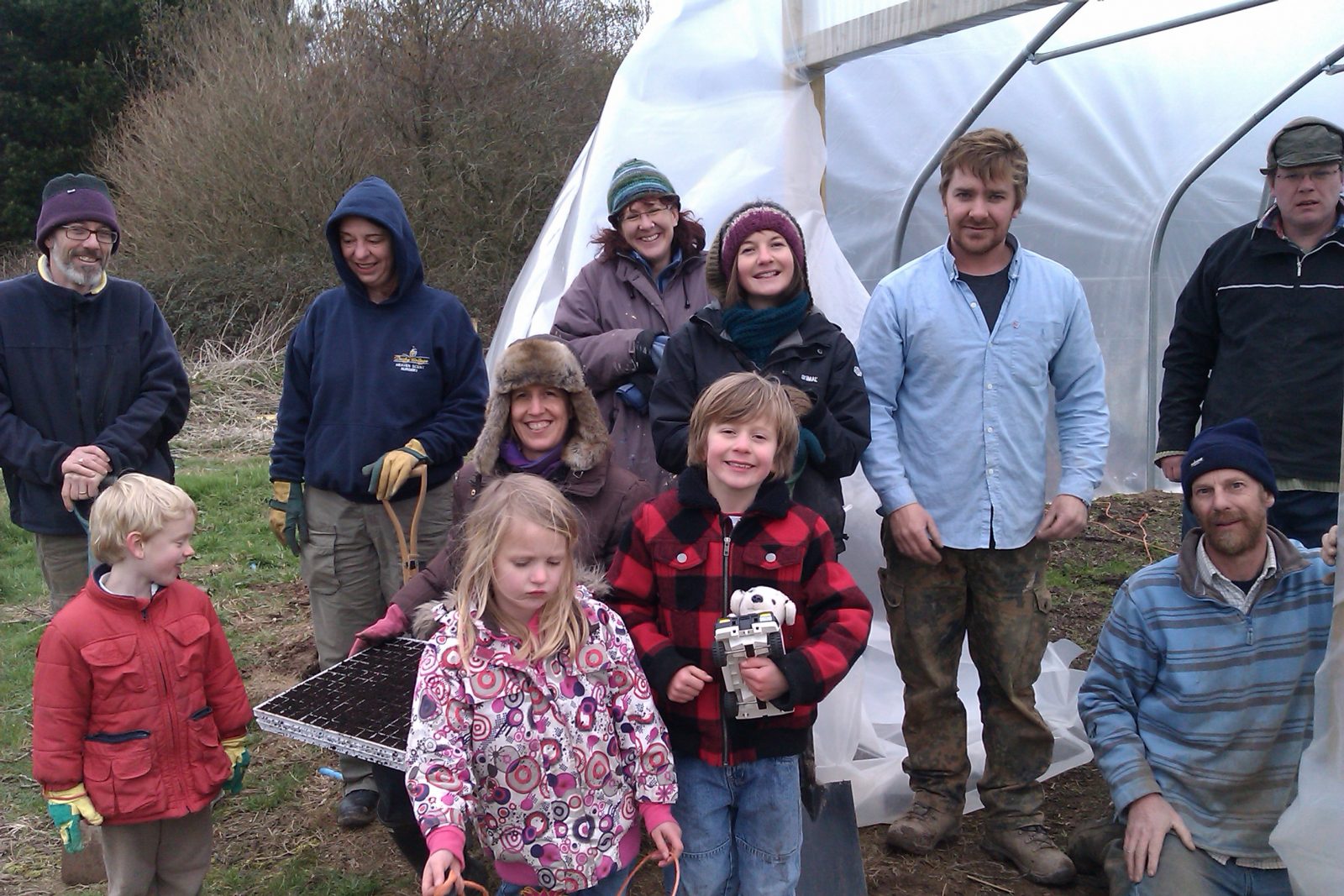
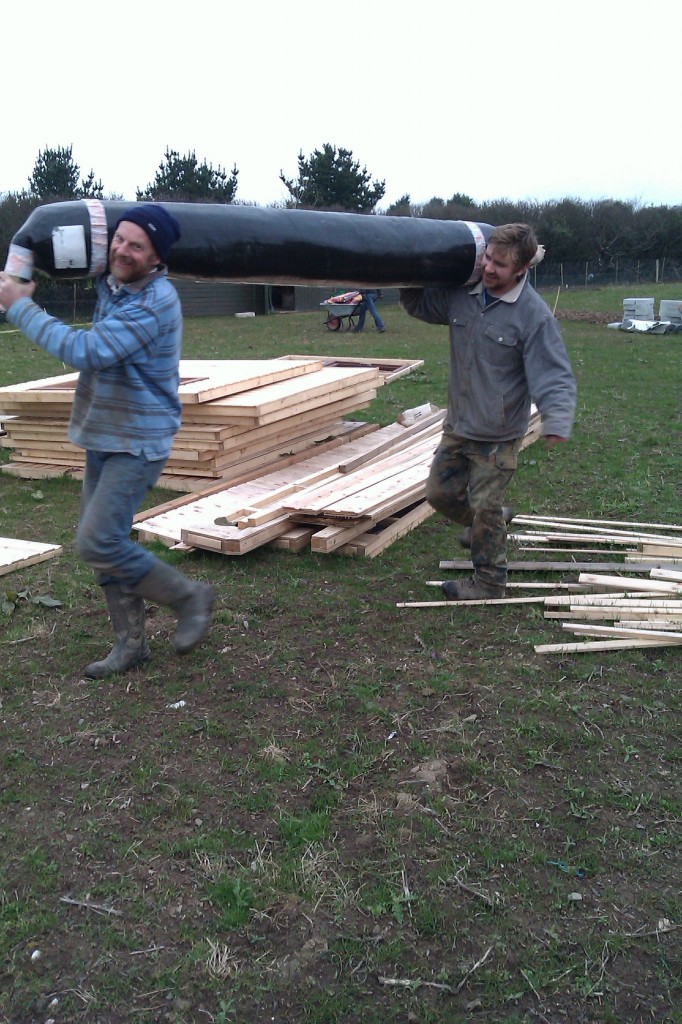
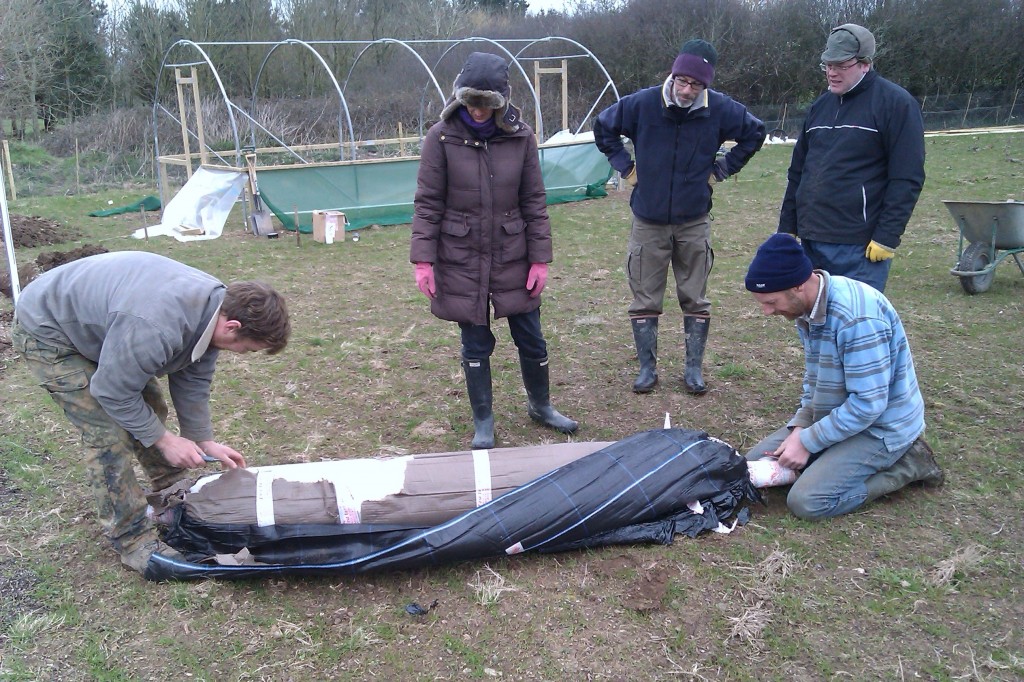
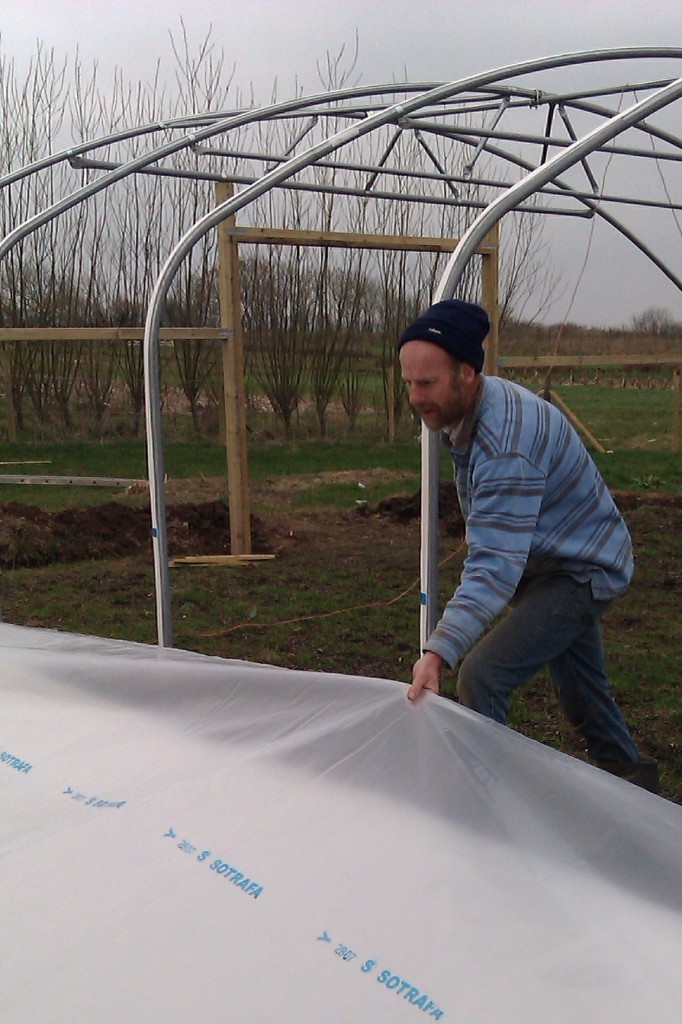
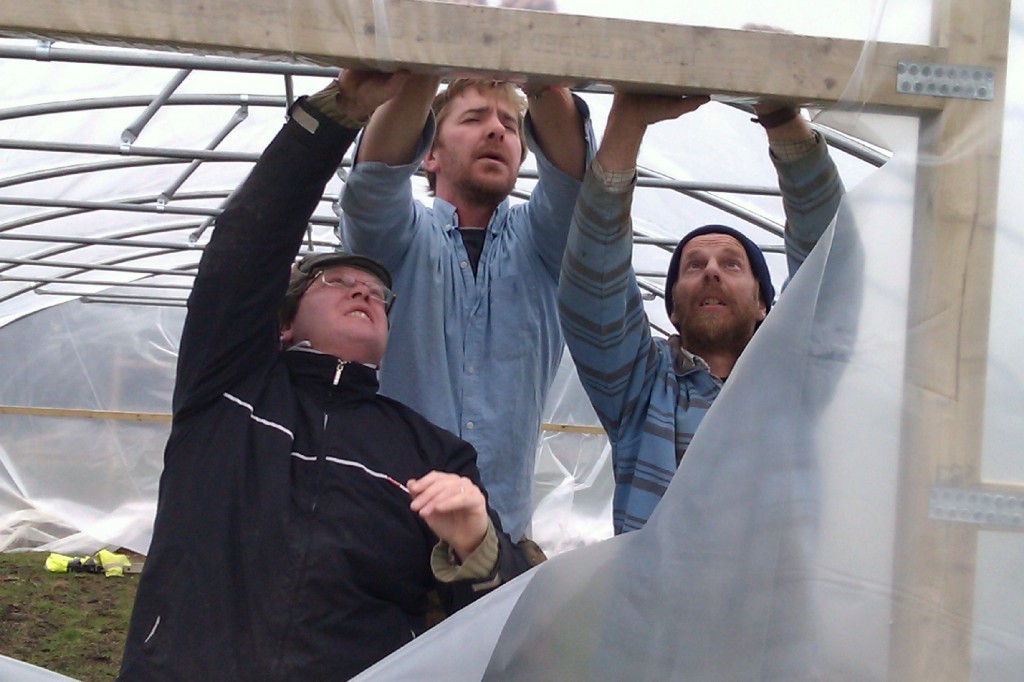
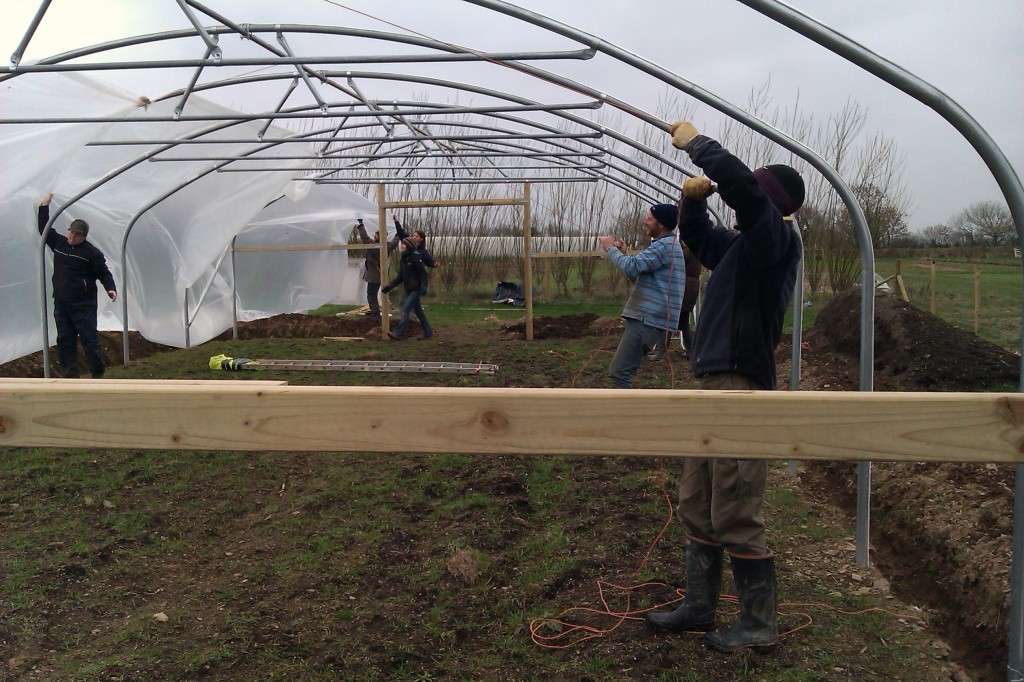
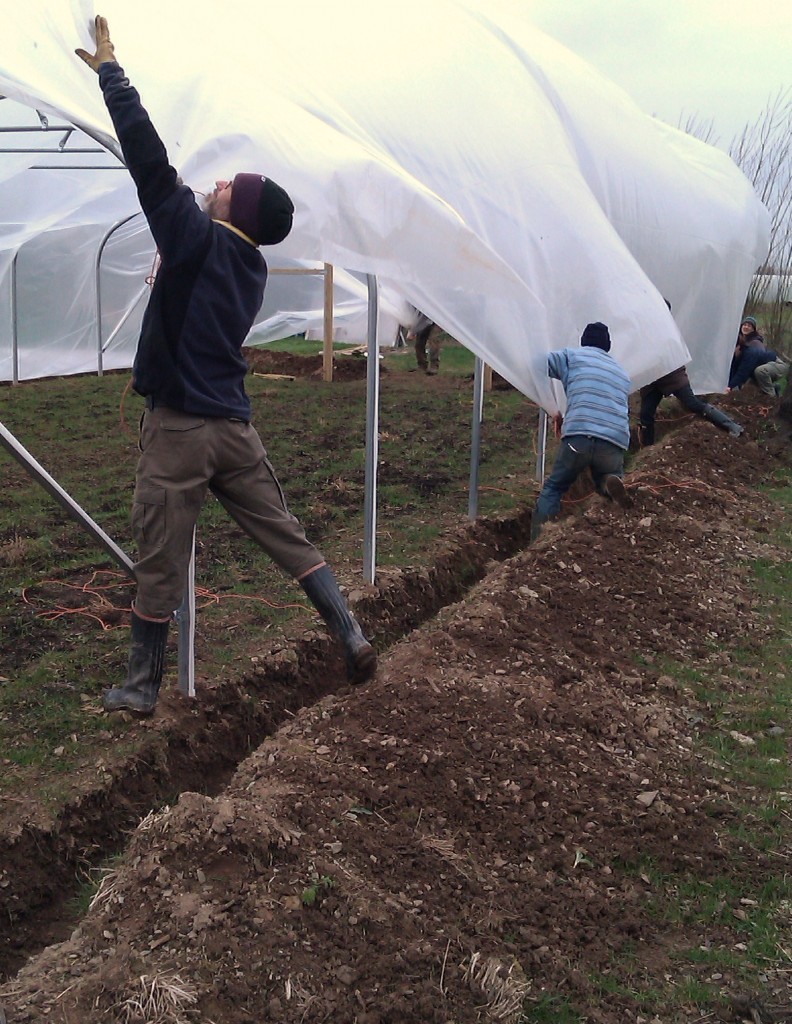
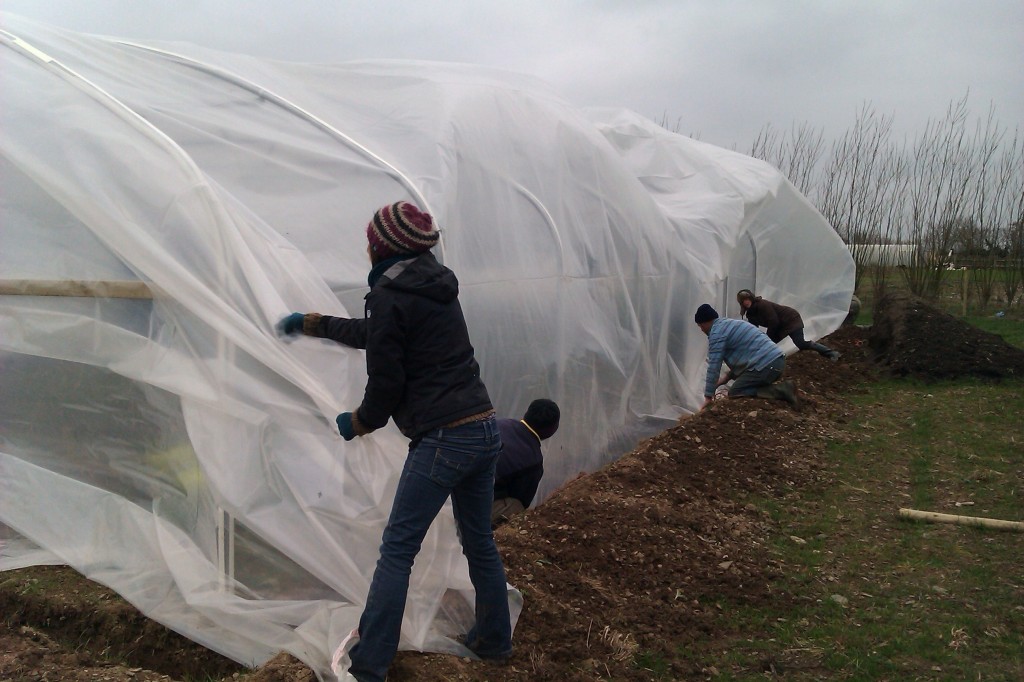
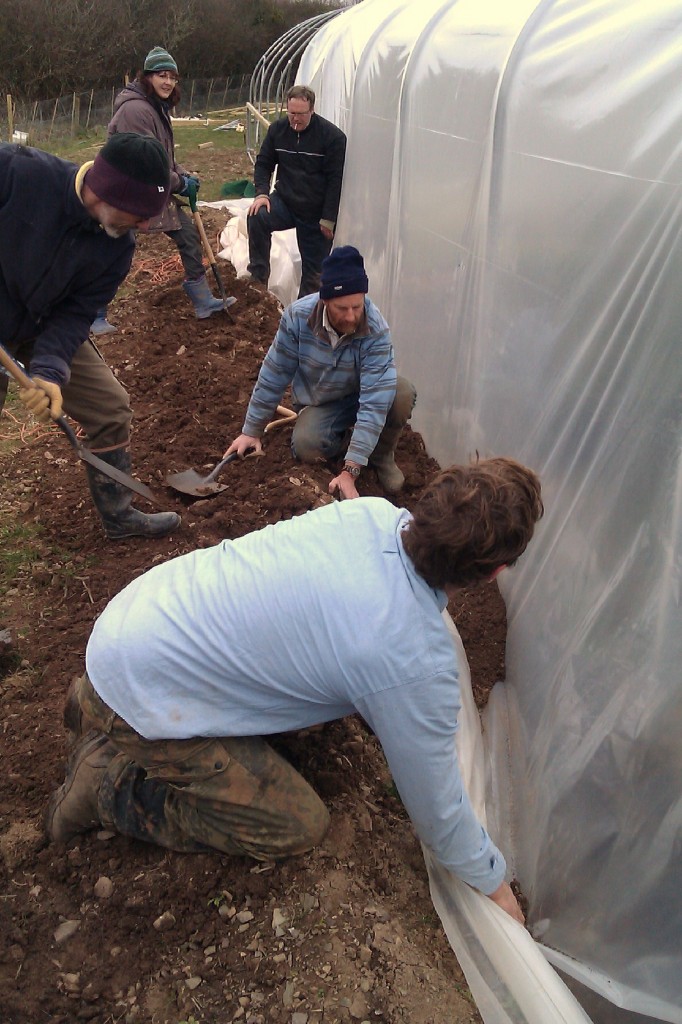
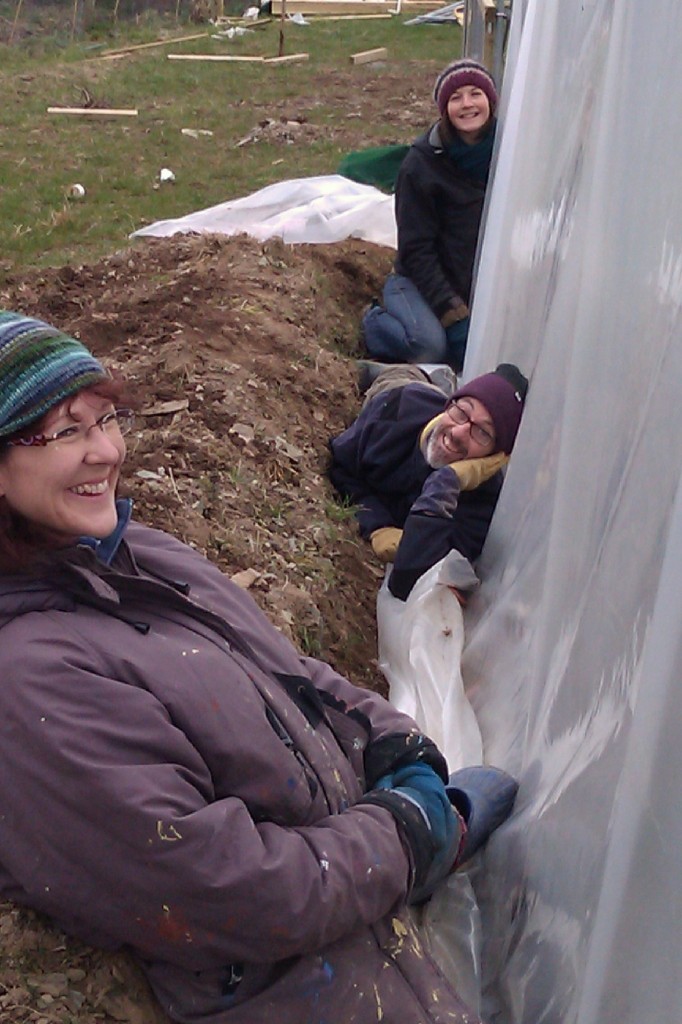
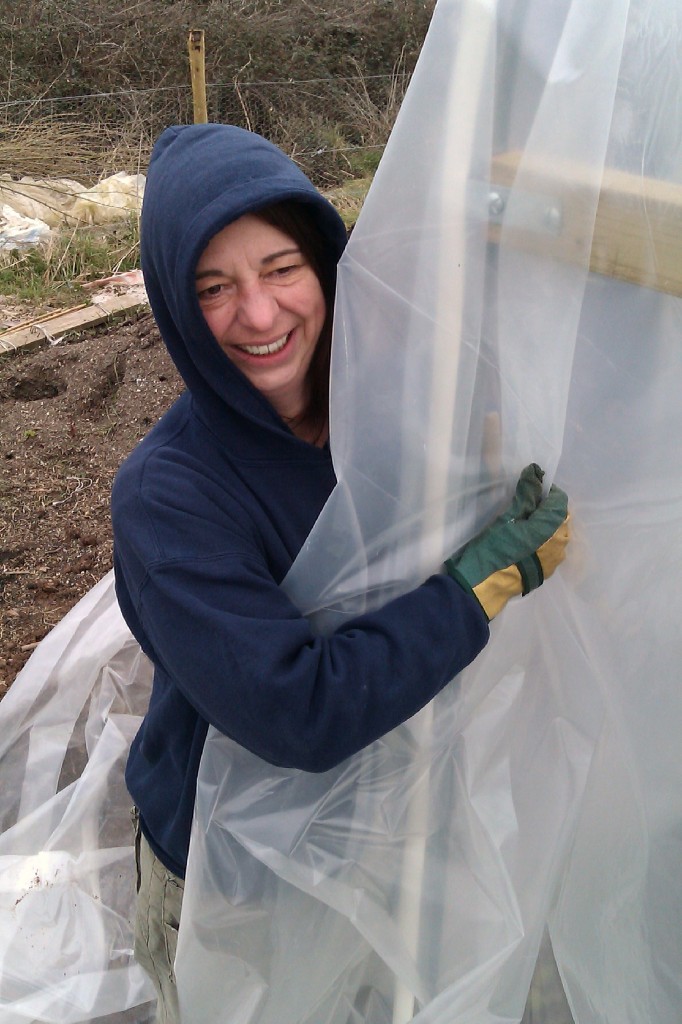
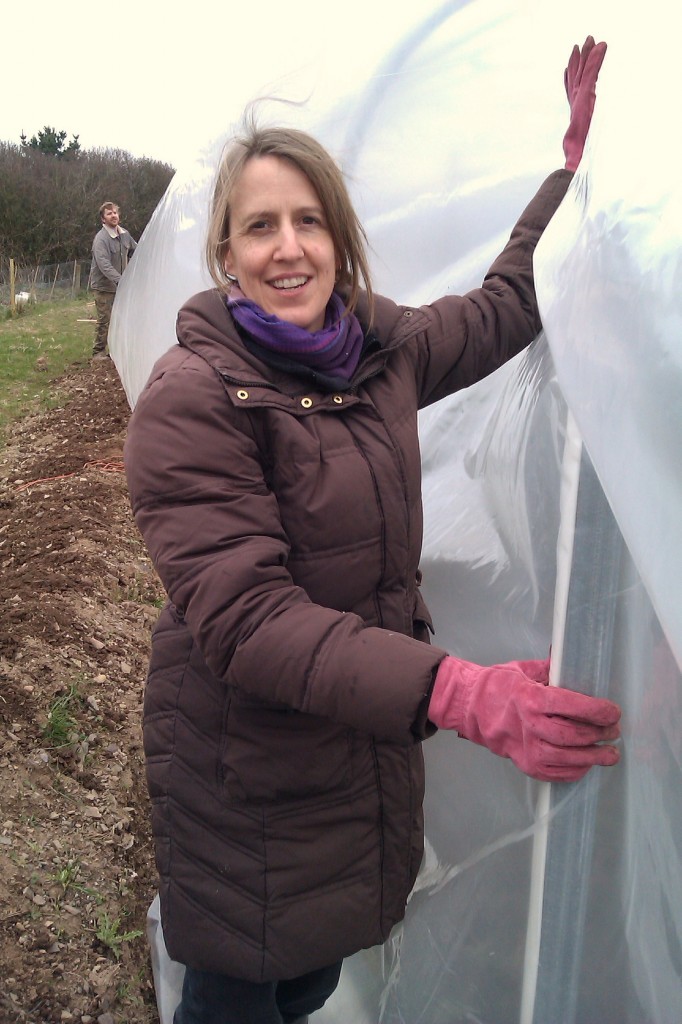
Camel CSA’s growing team has got the cover on the first of our three polytunnels. At long last we can start planting the early carrots, beetroot and salad crops.
A HUGE thank you to the volunteers who braved grey skies and a biting easterly wind to get the job done.
Expert growers Jane, Jeremy B and Mark N led team members Bob, Bridget, Cath, Charlotte, Danny and Mark M plus Finn (7), Keira (5) and Max (5).
March 6, 2011
Jerusalem artichokes are a staple item in Camel Community Supported Agriculture’s weekly veg boxes at this time of year.
Unlike late winter brassicas, which are in short supply all over the UK, these knobbly roots seem to thrive in hard, frosty conditions. Our growing team are about to plant a new permanent bed of them to sustain us in future seasons.
Jerusalem artichokes are hardy perennials, related to sunflowers. They have attractive purple flowers and tall summer growth, so we’ll be using them as a windbreak (!) for our soft fruit area.
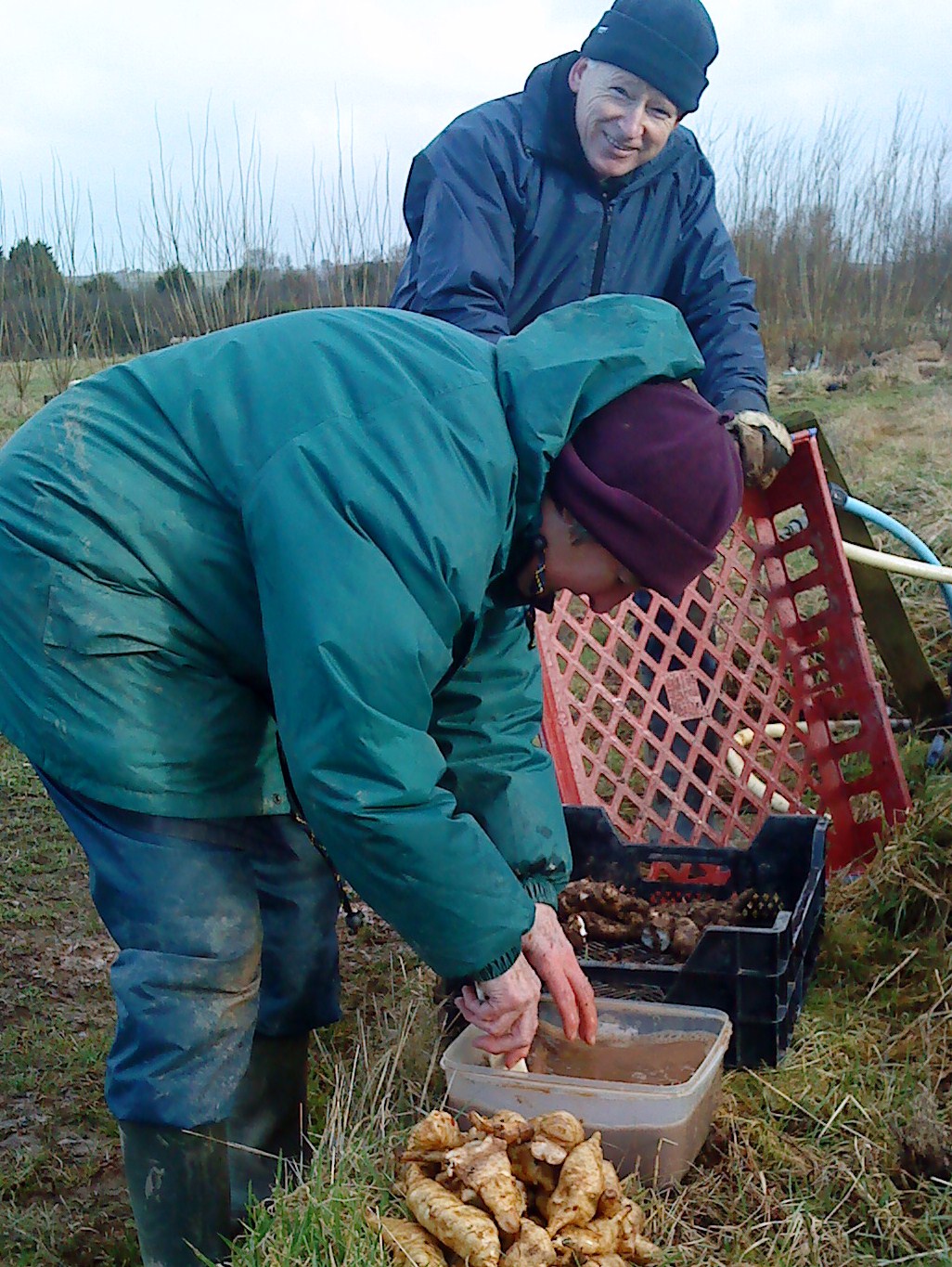
Camel CSA’s valiant volunteer picking and packing team dig up quantities of them and scrub them clean each week for the boxes – to accompanying groans from some of our members.
So what can you do with these often-neglected vegetables?
My perennial favourite is Jane Grigson’s Palestine Soup, though this is a bit of a misnomer. Veggies should leave the bacon out.
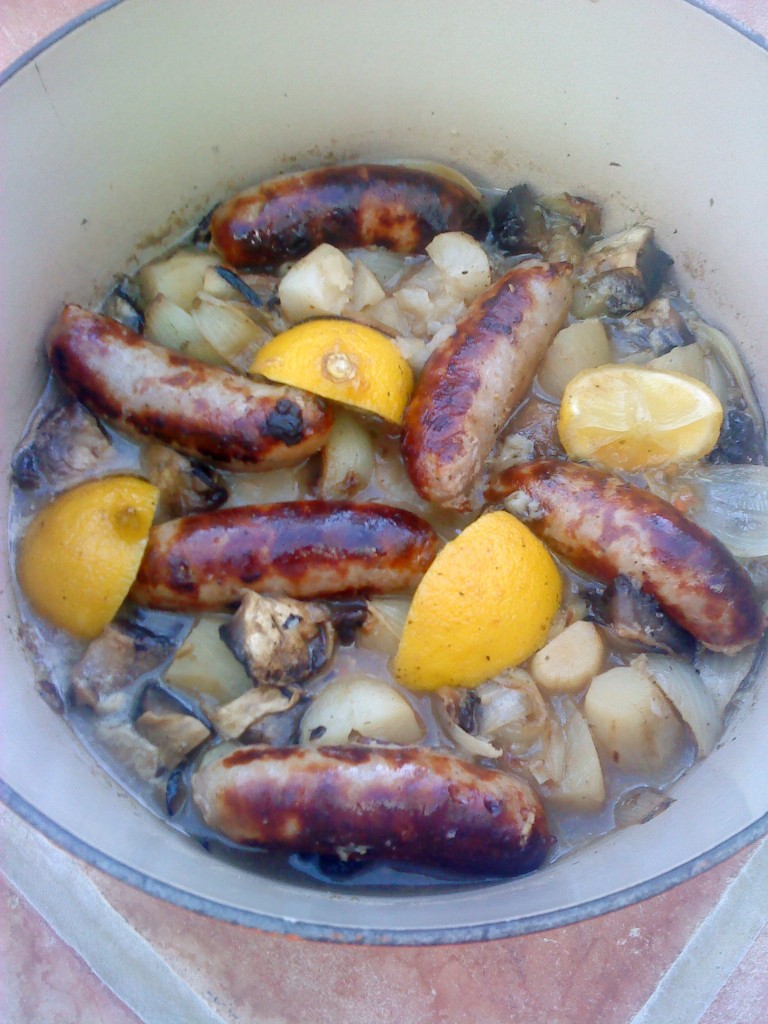
My family also like Nigel Slater’s casserole of artichokes and pork for deepest winter, which uses sausages. It sounds a bit odd but is a surprisingly good heartwarmer on a cold frosty evening.
The vegetarians among you could try Yotam Ottolenghi’s artichoke and goat’s cheese souffle or Hugh Fearnley-Whittingstall’s Roast Jerusalem artichoke, hazelnut and goat’s cheese salad.
So give Jerusalem artichokes a try. They’re flavoursome, versatile, easy to grow, should be local (if you’re living in the UK) and inexpensive. But be warned – a little goes a long way.