
July 26, 2010
We’ve had a great response in the last few days from volunteers keen to help out both on our growing team and our picking and packing squad.
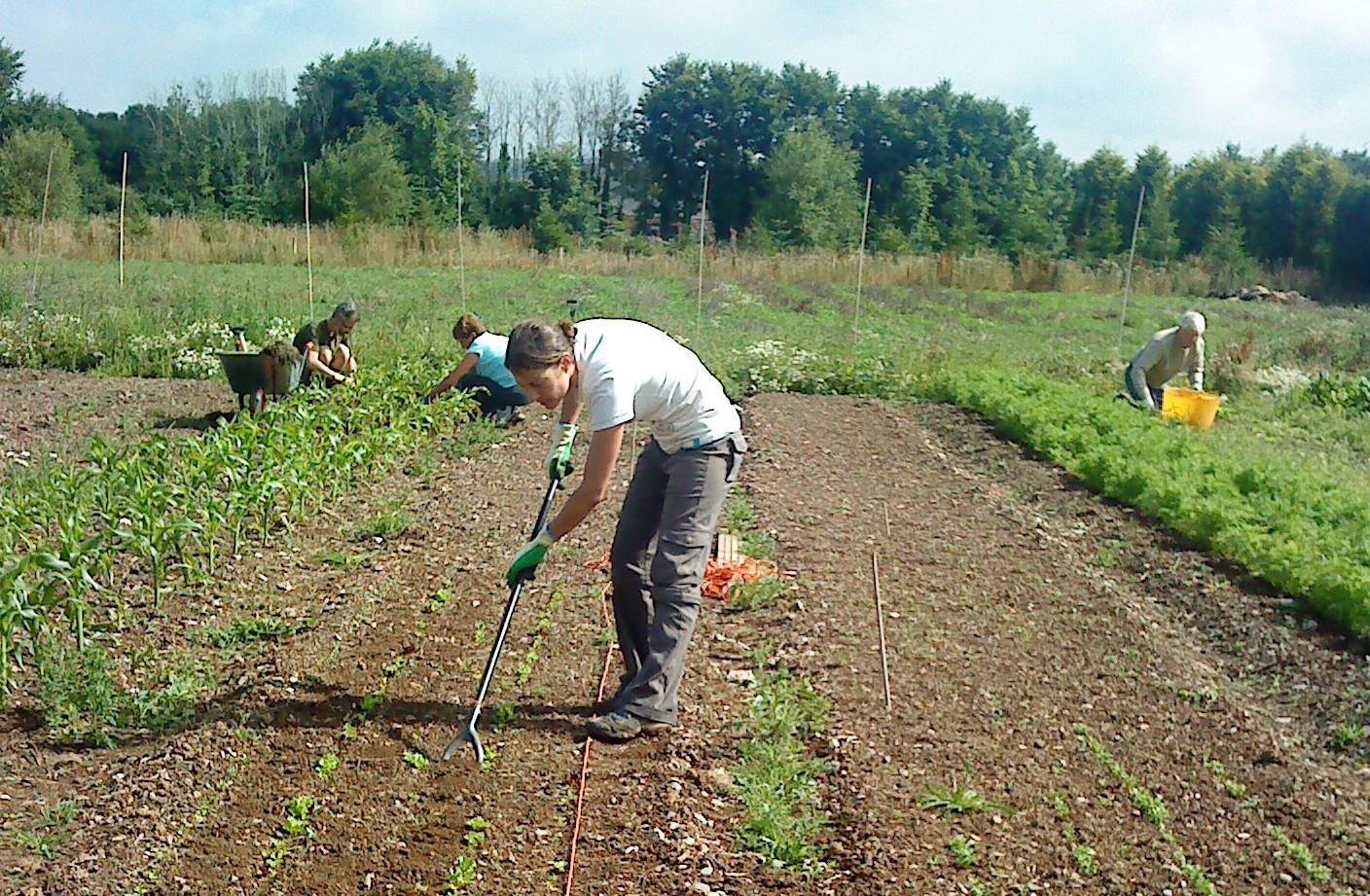
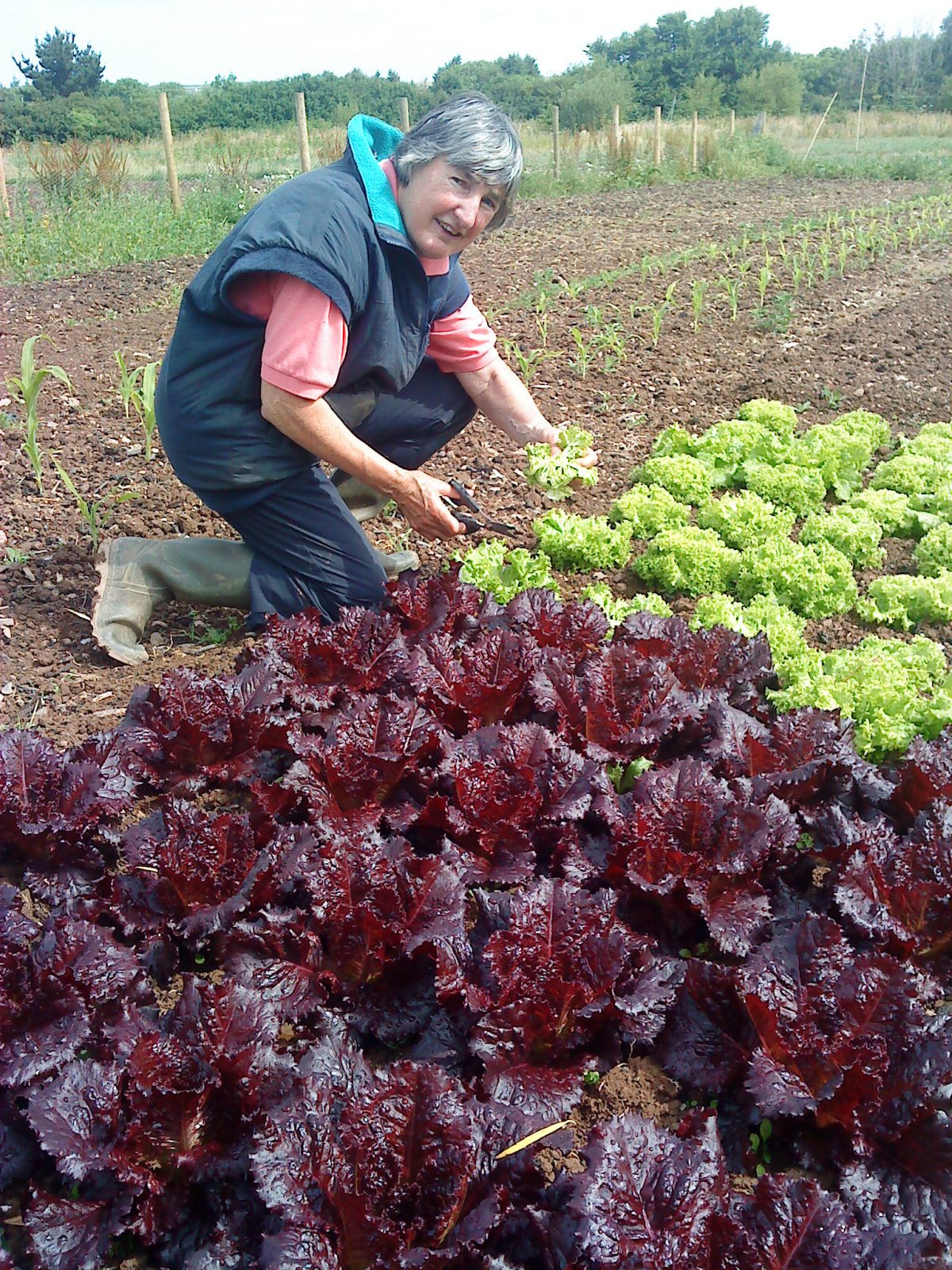
Camel CSA’s volunteer growers worked hard today to weed the veg beds, mulch around the celery, celeriac and sweetcorn with green manure and to harvest the garlic.
Many thanks to expert grower Jane Mellowship and her team – Anne, Cath, Charlotte, Danny, Mark, Mike S and Rebecca plus junior members Finn and Keira.
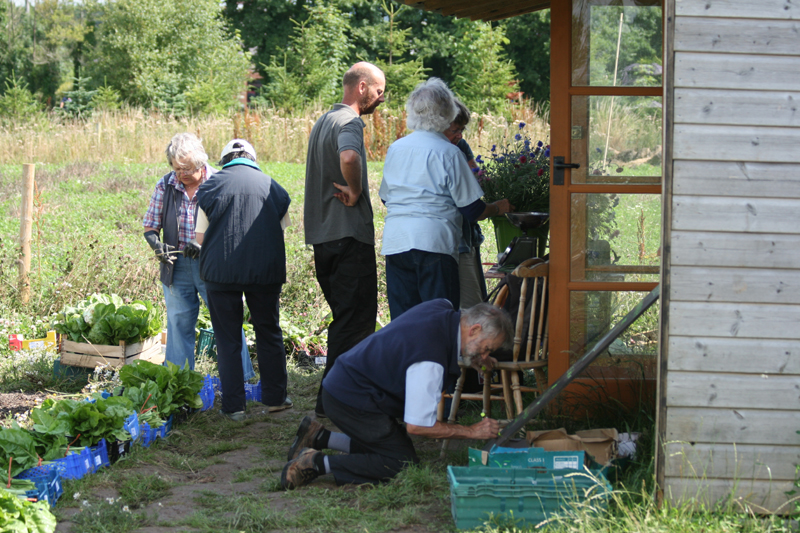
On Friday the volunteer picking and packing squad harvested quantities of our own Swiss chard, perpetual spinach, salad leaves, lettuces and garlic to match the rest of the veg box contents from expert growers Jane, Mark Norman, and Jeremy Brown of St Kew Harvest.
Thanks also to picking and packing supremo Trish and her squad – Anne, Charlotte, Henrietta, Jenny, Jeremy, Mark N, Penny, Robert and WWOOFer Gillaume, who’s visiting Cornwall from his home in the French Alps.
As Trish said: “It was good fun this morning. What a difference it makes when there’s a fair number of people there to help!”
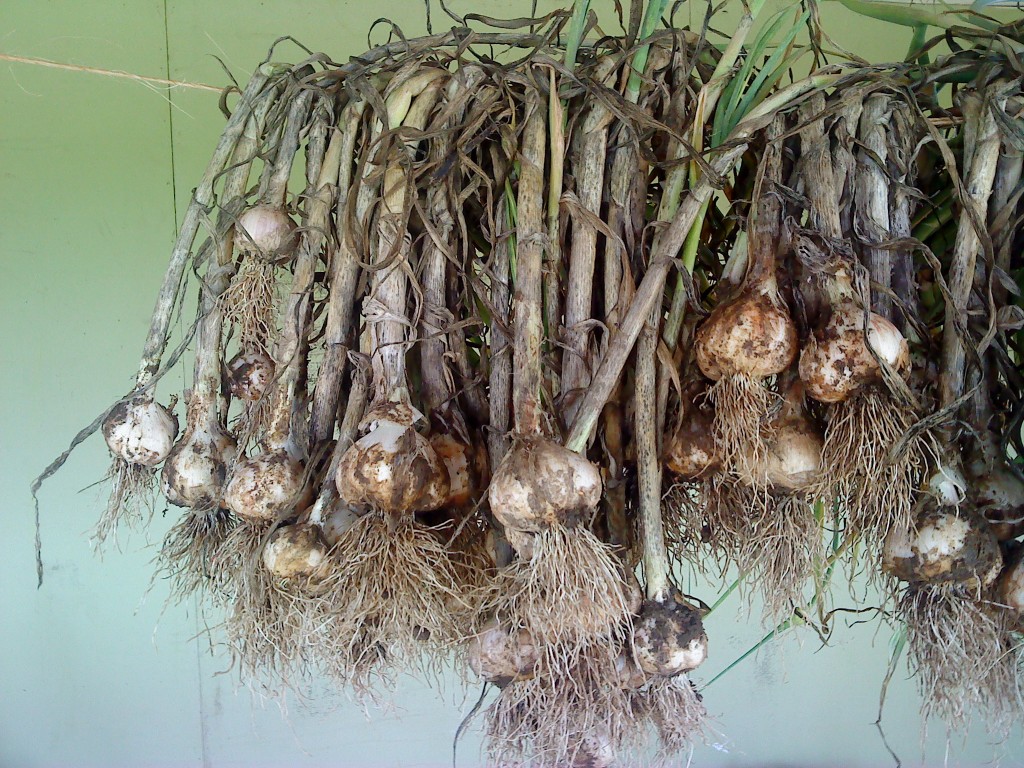
The garlic’s now strung up inside our packing shed, where it’s drying out.
All the volunteers were rewarded this week with some freshly-picked boysenberries, which are ripening quickly at the perimeter of our plot in this warm, humid weather.
If you’d like to take part in the growing operation or veg box preparation, just turn up on our site at St Kew Highway on a Friday or Sunday morning at 10am.
July 25, 2010
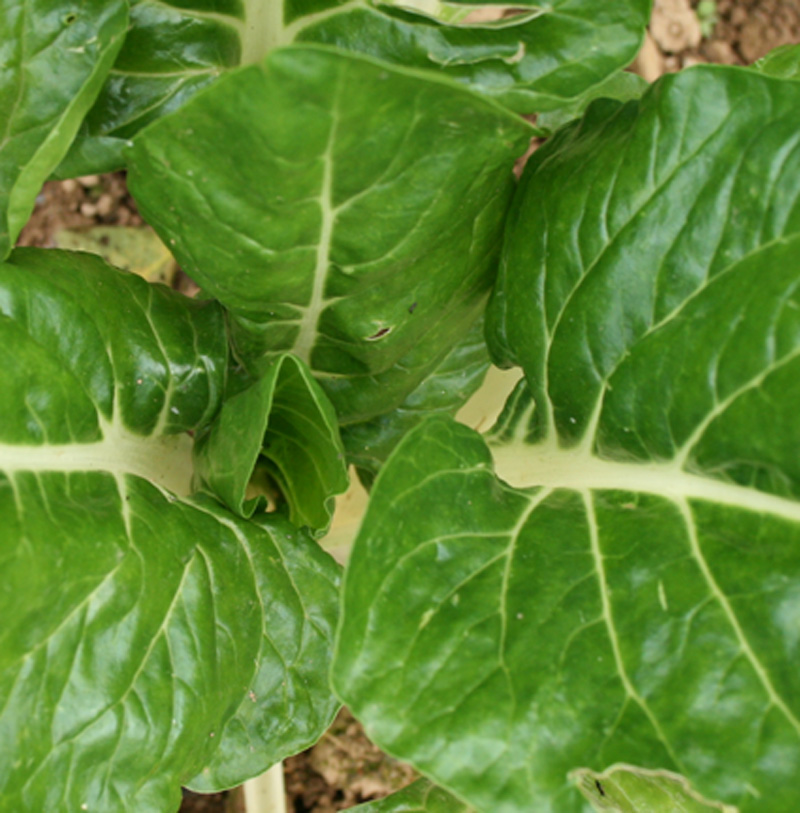
A recipe from Allegra McEvedy, who says: “The best thing about this simple supper is the chard … You can use it anywhere you might use wholeleaf spinach, but you will get a more boldly textured result. Chard is even better for you than spinach, too – it just never had the PR muscle of Popeye behind it. It contains less oxalic acid than spinach, which means that we are able to absorb more of its nutrients.”
Apologies to CSA members with small veg boxes who had perpetual spinach rather than Swiss chard this week! Still good for you, though.
Apparently, the Swiss prefix came about in the 19th-century to distinguish it from French chard, which we now call cardoon.
Serves 2
Preparation/Cooking: 30 minutes
Ingredients
150g brown rice
250g Swiss chard (big whole leaf spinach will do)
1 lemon
1 clove garlic, finely chopped
extra virgin olive oil
2 free-range chicken breasts
150g ball of mozzarella
1 ripe tomato
big pinch dried oregano
salt and pepper
Method
Rinse the rice in cold water, then tip into a saucepan with twice the volume of cold water. Bring to the boil, then simmer gently until cooked – about half an hour.
Meanwhile, put a second pan on with salted water for blanching the chard.
Trim and chuck away the very ends of the chard stalks, then cut the stalks away from the leaves. Slice the stalks into 2cm-thick pieces and leave the leaves whole. Blanch the stalks first for about three minutes, then remove from the pan with a slotted spoon, cool under running water and set aside. Now blanch the leaves for three minutes, rinse under cold water and set aside separately from the stalks.
Zest the lemon and put it with the chard stalks.
In a bowl, mix the garlic with the juice of half the lemon, a couple of tbsp of the olive oil and some seasoning. Squeeze the water out of the chard leaves and coat them thoroughly in the flavoured oil.
Oil a baking tray and pre-heat under a very hot grill. Make a cut down the length of the chicken breasts, but not all the way through so that they open up like a book (this is called butterflying for obvious reasons).
Season the meat, then lay on the dressed chard leaves. Top with slices of mozzarella and tomato, and finish with a little salt and the oregano.
Grill for 10-12 minutes. When the rice is cooked, stir in the chard stalks, some salt and a good splosh of olive oil and serve with the chicken on top.
July 23, 2010
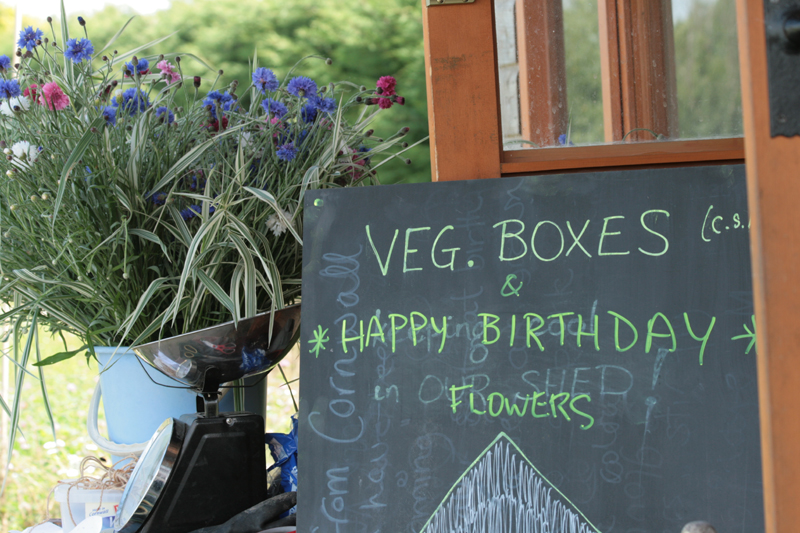
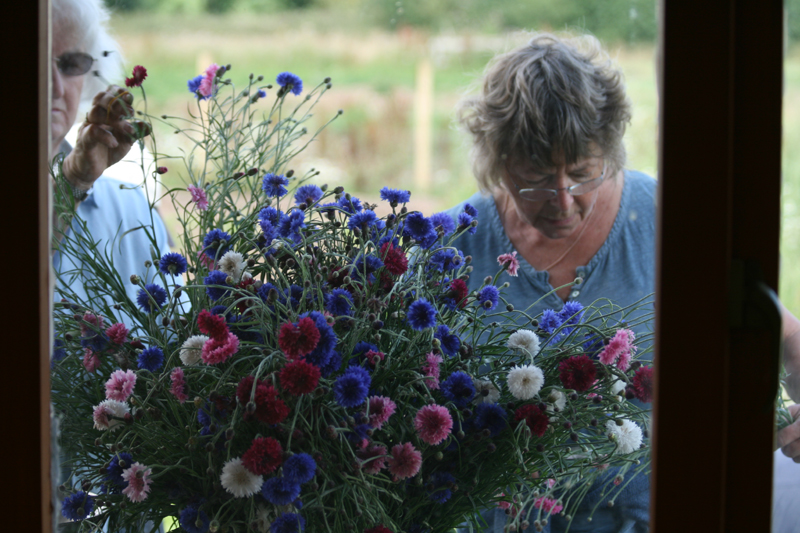
We’ve all got a bunch of birthday cornflowers in our boxes to celebrate the first year of our veg box scheme. The flowers come courtesy of Camel CSA’s coffers and were grown by Jeremy Brown at St Kew Harvest.
The rest of the contents of this week’s vegetable boxes are from our other expert growers Mark Norman and Jane Mellowship, and Camel CSA’s own plot. All of it grown to organic principles.
Small boxes have:
potatoes – Pentland Javelin (Mark)
onions (Mark)
cucumber (St Kew Harvest)
perpetual spinach (Camel CSA)
garlic (Camel CSA)
salad (Camel CSA)
Medium boxes have all the above plus extra potatoes and:
french beans (Jane)
beetroot (Camel CSA)
lettuce (Camel CSA)
Update – Please note these boxes have swiss chard (Camel CSA) instead of perpetual spinach
Large boxes have extra of everything plus:
calabrese (St Kew Harvest)
parsley (St Kew Harvest)
primo cabbage (St Kew Harvest)
Don’t forget that although the French beans are purple they go green once cooked – the water turns a fantastic colour! And the Pentland Javelin potatoes tend to collapse if overcooked – try steaming rather than boiling them.
July 22, 2010
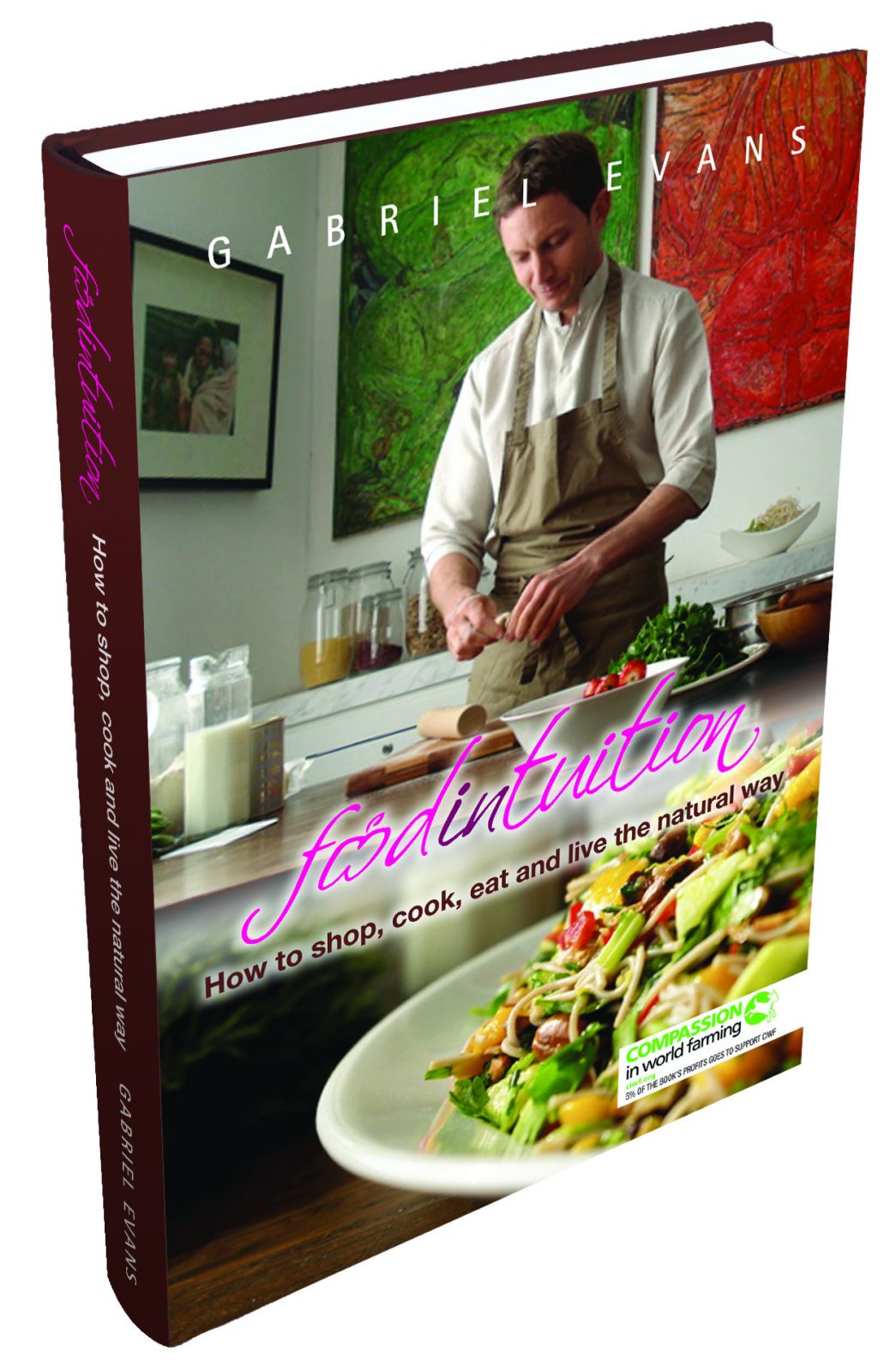
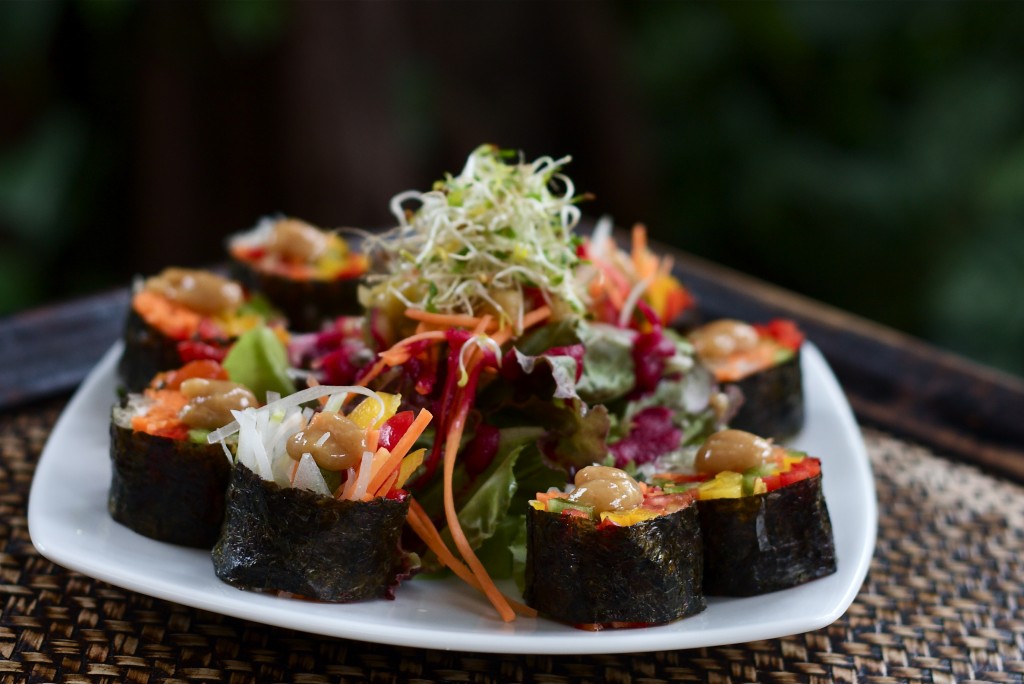
Camel Community Supported Agriculture member and food expert Gabriel Evans is signing copies of his new book Food Intuition at Relish Food & Drink in Wadebridge between 10am and 1pm this Saturday.
Gabe is a natural food expert, qualified chef, home economist, food coach, health educator and food activist. His book aims to change the way we think and feel about food and health:
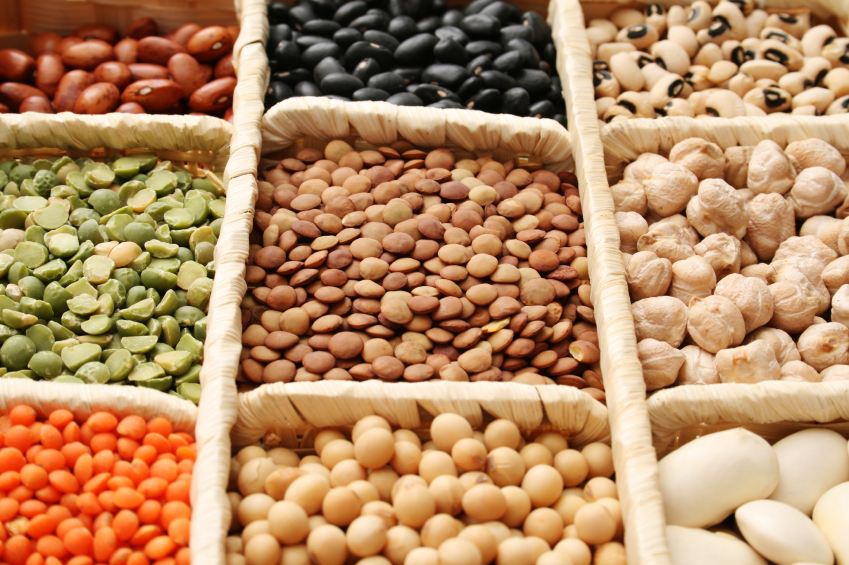
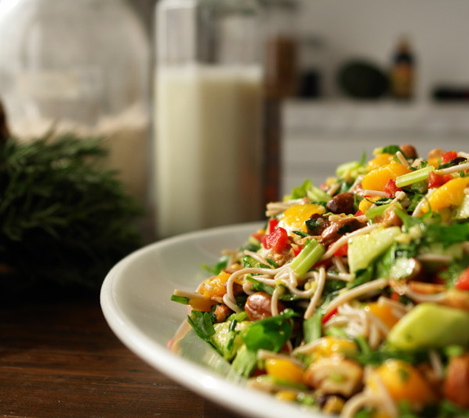
Food Intuition reveals the pleasure and wisdom of the way we used to eat for thousands of years and challenges the current message on healthy eating.
It’s packed with all the practical information and strategies you need to make natural food and wholesome eating a workable and enjoyable part of everyday life.
It’ll motivate you to make permanent and manageable changes to your diet and lifestyle that are good for you, your family, your community and the planet.
Buy a copy of Food Intuition for £9.99 at the third official book signing session at Relish on Saturday and you’ll be handed a goodie bags of treats. It’s also available online on Gabe’s website. Five per cent of any profit on book sales will be donated to Compassion in World Farming‘s work to end factory farming.
- Gabe and his wife Silvana are going back to China next week for an extended stay. We look forward to seeing them again on their return to Cornwall. Meanwhile sign up for updates on his Food Intuition blog here.
July 20, 2010
Now our spring-sown crops are beginning to mature, there’s more harvesting to do for the veg boxes on a Friday morning. So we could use some more volunteers on our picking and packing squad.
The team meets every Friday at 10am in the new packing shed on our plot at St Kew Highway.
Veg box preparation takes about two hours and involves harvesting and sorting vegetables, weighing them and distributing them among the 25 or so weekly boxes.
Afterwards, there’s always the opportunity to relax and have a friendly cup of fair-trade tea or Cornwall-crafted Origin coffee and home-made cake next door at St Kew Harvest Farm Shop.
If you’re able to help out please contact Robert Manders on 01208 880022 or e-mail him at manders@waitrose.com

July 16, 2010
Don’t forget we’re celebrating The Big Lunch this Sunday 18 July on our site at St Kew Highway, next to St Kew Harvest Farm Shop.
It’s a chance for assorted veg-lovers to meet, eat, discuss, laugh, entertain and be entertained. Check out the details here.
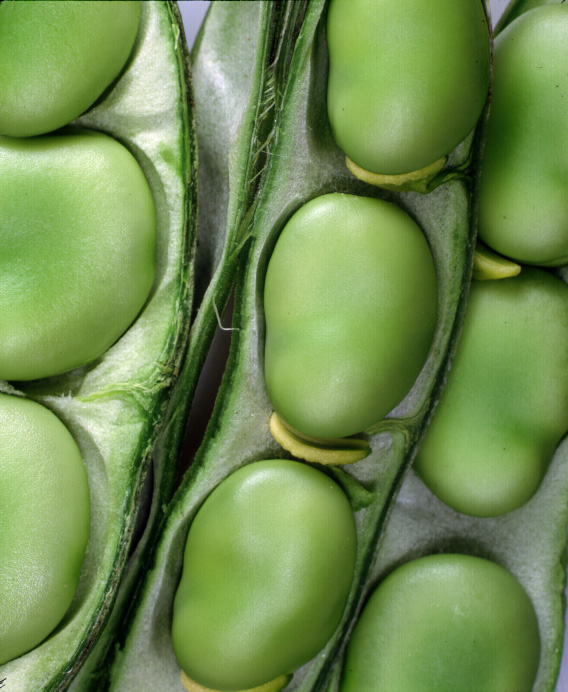
You either love ’em or loathe ’em. Fortunately some of us really do love them.
Broad beans are best eaten when they’re small and succulent. If you’re faced with some mealy monsters, boil or steam them as normal then “double pod” them by slipping the skins off the cooked beans. Fiddly but worth it.
My favourite ways with broad beans are short and simple. Cookery writer Nigel Slater offers a number of unfussy suggestions suitable for both meat-eaters and vegetarians. These come from his books The 30-Minute Cook and Real Fast Food.
1. Broad beans with bacon
Serves 2 as a main dish
Preparation: 10 minutes
Cooking: 15 minutes
450g shelled broad beans
1 tbsp olive oil
100g bacon, diced
freshly ground black pepper
A dish to eat with a bottle of beer. Drop the beans into a pan of boiling salted water and blanch for no more than 10 minutes. Warm the olive oil in a frying pan and fry the diced bacon until it starts to crisp at the edges. Drain the broad beans and add them to the bacon with a light grinding of pepper. Stir well and then cover with a lid. Cook for 5 minutes until the beans are absolutely tender.
2. Broad bean, bacon and Feta salad
The saltiness of the bacon and Feta cheese is toned down by the mealy broad beans. Cook the shelled beans in salted water till tender, about 10 minutes, and then drain and toss them with hot, crisp grilled bacon and roughly chopped and crumbled Feta cheese. Good with a beer.
3. Broad beans and goat’s cheese
Broad beans and goat’s cheese are an extraordinarily good combination. It was Claudia Roden who first brought them to my attention in her book, The Food of Italy. Ms Roden adds the shelled beans to chopped onion fried in olive oil, then simmers the two with water until very tender, drains them and serves them with cheese warmed under the grill.
I have also cooked the beans in boiling water till tender, drained and placed them in a shallow gratin dish. Then I covered them thoroughly with slices of cheese cut from a goat’s log and popped them under the grill until the cheese had just melted. Eaten with crisp French bread it made a delightful lunch.
This time Nigel suggests a bottle of cold, dry white wine. I’m with him on that one.
July 15, 2010
Contents of our vegetable boxes this week are provided by Mark Norman, Jane Mellowship, Jeremy Brown of St Kew Harvest and Camel CSA’s own plot, all of it grown to organic principles.
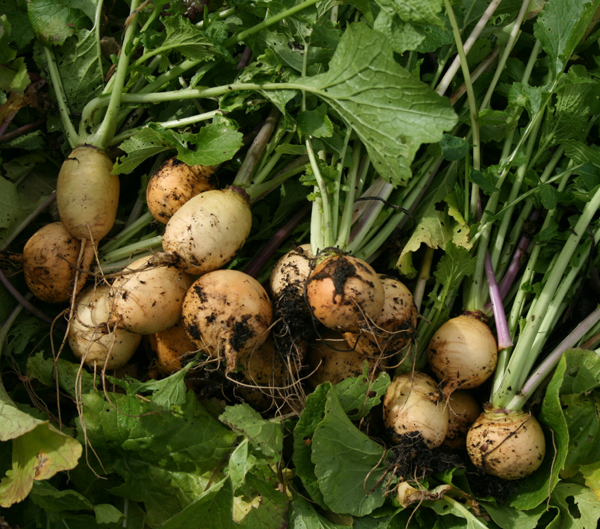
Update: Don’t forget that the beetroot tops make a tasty vegetable – see Seasonal recipe No 51. The Pentland Javelin potatoes we’re getting at the moment tend to collapse if overcooked – try steaming rather than boiling them. And this week’s French beans are a mix of purple- and green-podded ones but all come out green once cooked.
Small boxes will have:
potatoes – Pentland Javelin (Mark)
turnips (Mark)
broad beans (Mark)
beetroot (Mark
calabrese (Jeremy)
parsley (Jeremy)
salad (Camel CSA)
Medium boxes will have extra potatoes as well as:
french beans (Jane and Jeremy)
cucumber (Jeremy)
basil (Jeremy)
Large boxes will have extra potatoes, turnips, salad and beetroot, plus:
peas (Jeremy)
courgettes (Jeremy)
onions (Camel CSA)
July 12, 2010
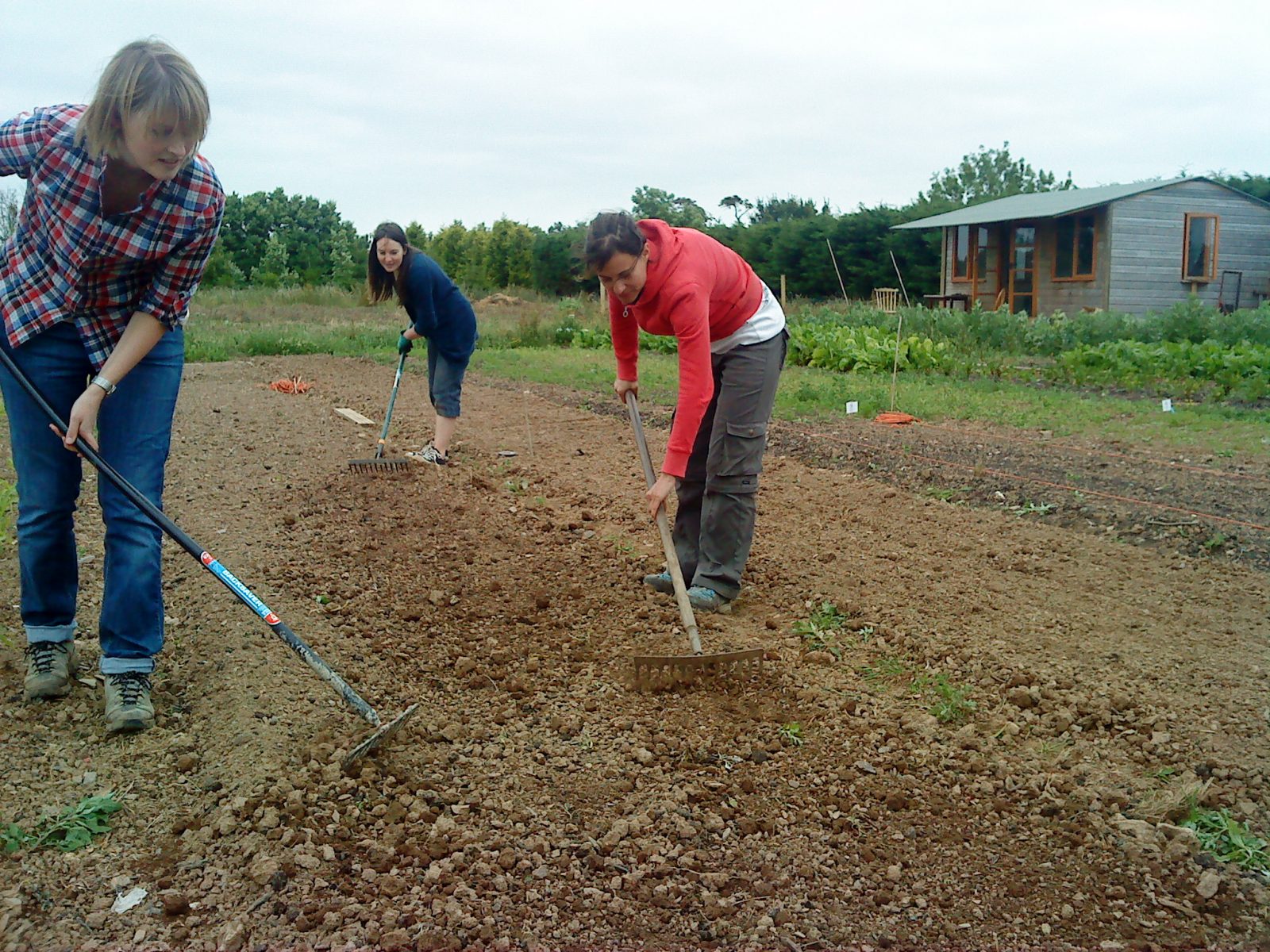
The growing team has been kept well occupied over the past two Sundays preparing beds, sowing beetroot and carrots, and hoeing the borage. We’ve also cleared the last of our own broad beans, which have gone over.
Expert grower Jane Mellowship says:
If we get a good downpour we now need to mulch the celeriac, celery and sweetcorn with the green manure which was cut recently.
We’ve had a good wet spell so it is an ideal time to do this. It will help the soil to hold moisture and improve the soil structure as the green manure decomposes, not to mention reduce weeding!
July 9, 2010
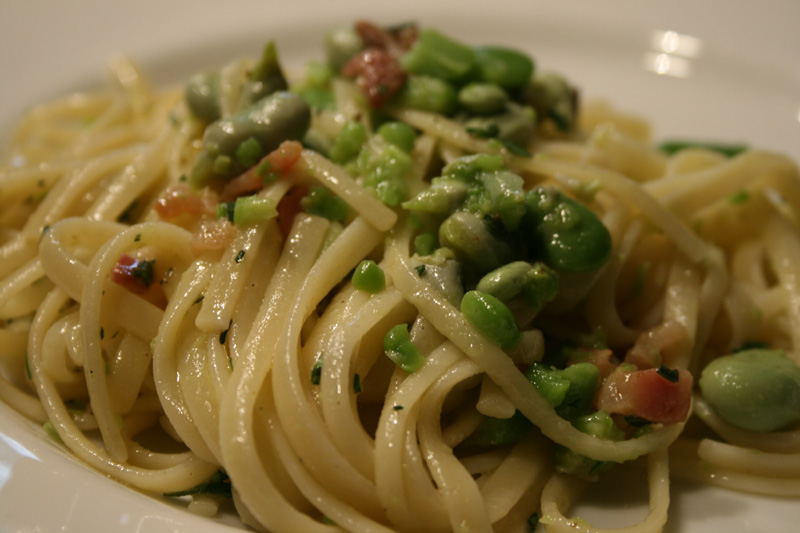
As this week’s boxes contained the produce from the Camel CSA’s two rows of broad beans which were picked clean this morning, it’s perhaps the last chance for a broad bean recipe. This is from Sarah Raven’s Garden Cookbook. She recommends using tagliolini or fine spaghetti. Slightly fiddly recipe but the result is very tasty.
Serves 4
Preparation: 10 minutes
Cooking: 15 minutes
Ingredients
250g broad beans, shelled weight
350g tagliolini or fine spaghetti
75g fried pancetta or prosciutto
2 tbsp finely chopped summer savory or thyme, to serve
grated parmesan cheese, to serve
For the beurre blanc:
4 tbsp white wine
4 tbsp white wine vinegar
1 heaped tbsp finely chopped shallots
salt and black pepper
175g unsalted butter, cold and diced
Method
To make the beurre blanc, reduce the wine, vinegar, shallots, salt and pepper in a small saucepan until you have only a tablespoon of liquid left. Whisk in the cold butter bit by bit over a very low heat or using a bain-marie, until thick and creamy. Season. Keep it warm in a vacuum flask or bain marie.
Bring a pan of water to the boil. Cook the beans in the water for 4 minutes. Remove them, reserving some of the cooking liquid, and cool them quickly in a sieve under cold running water.
Pop some of the bright green beans out of their skin by pinching them with your thumb and forefinger; this adds a wonderful colour. Discard the skins and puree half the beans with a tablespoon of the cooking water.
Cook the pasta in salted boiling water until just al dente, leaving a tablespoon or two of cooking liquid in the pan. Add the bean puree, pancetta or prosciutto and the beurre blanc, and stir. Season carefully.
Lastly throw in the remaining beans and stir. Serve with summer savory or thyme and grated parmesan.