
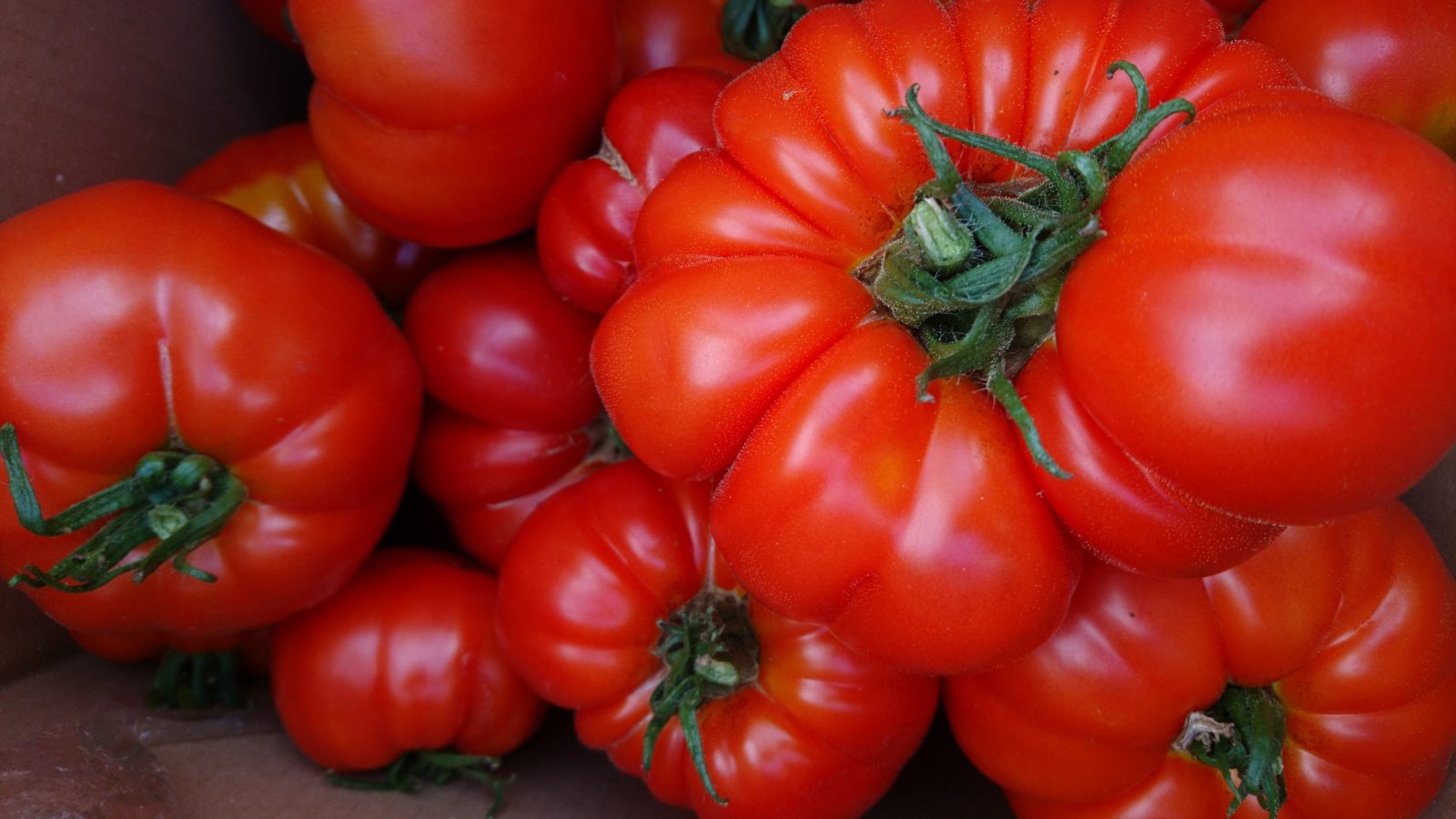
We’ve so many really ripe tomatoes in our veg boxes at the moment as well as peppers and aubergines. So why not use them to make this classic Middle Eastern breakfast dish? It’s ideal for weekend brunch or a simple evening meal.
This version comes from food writer Felicity Cloake, who recommends it for being “spicy, hearty and cheap”. She adds: “Feel free to swap the peppers for one medium aubergine, or two courgettes, or four medium boiled potatoes as desired.”
Serves: 4
Preparation: 10 minutes
Cooking time: 50 minutes
Ingredients
4 tbsp olive oil
1 onion, finely sliced
1 red pepper, diced
1 green pepper, diced
6 garlic cloves, crushed
2 tsp sweet paprika
½ tsp cumin seeds
½-1 tsp cayenne pepper
800g tinned tomatoes (or ripe tomatoes in season)
2 tsp sugar
1 tbsp lemon juice
4-8 eggs, depending on hunger
Small bunch of fresh coriander, roughly chopped
Method
Heat the oil in a large lidded frying pan over a medium heat and add the onion. Cook until golden, then add the peppers. Fry until both are soft, then stir in the garlic and spices and cook for another couple of minutes.
Pour in the tomatoes and roughly mash. Stir in the sugar and lemon juice, bring to a boil, then turn down the heat and simmer for 30 minutes. Taste and season, adding more cayenne if you prefer it spicier.
Make 4-8 divots in the sauce and break in the eggs. Season them lightly, turn the heat right down as low as possible, cover and cook for about 10 minutes until they’re just set. Sprinkle with coriander and serve.
Keep up with our latest news on Facebook, on Instagram and on Twitter
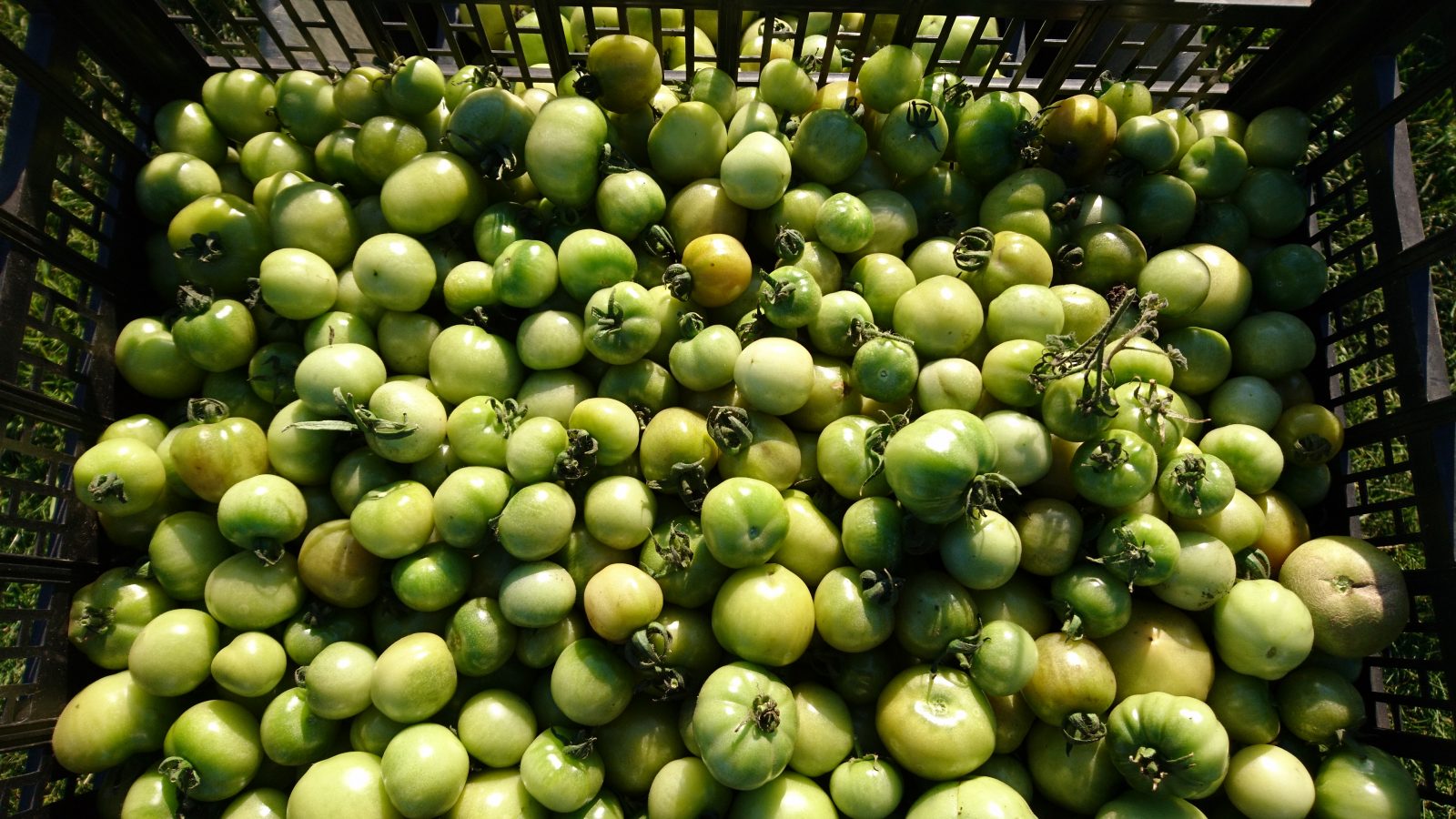
Avoiding food waste is an incredibly important aspect of being a community supported agriculture scheme. We’ve already made many of our leftover end-of-season green tomatoes into chutney to go in our Christmas boxes.
The very last of the green tomato glut are going in the weekly veg boxes alongside this delicious recipe that Camel CSA member Maxine has provided for us.
She says: “This recipe has been stolen and merged with a dozen or so others, so none of it’s original, but this is my take on it. It does tend to be different each time I make it according to what veg I have in the cupboard.”
Sometimes she serves it with a side dish of fried green tomatoes, immortalised in the southern US film Fried Green Tomatoes at the Whistle Stop Cafe.
Serves: 6
Preparation time: 15 minutes
Cooking time: one hour
Ingredients
1 cup of yellow split peas or lentils
½ tsp turmeric
½ tsp cayenne pepper
4 cloves of garlic
4 shallots or medium sized onions (the more flavourful the better)
1 large thumb-sized piece of fresh ginger
2 lemongrass stems
1 tsp ground cumin
4-6 medium-hot green chillies – finger type (according to taste)
2 tbsp fish sauce (or vegan equivalent)
2 tbsp oil
1 x 400g tin of coconut milk
250 veg stock, or boiling water with 1 veg stock pot pod, pouch or cube
500g green tomatoes
300g potatoes, roasted squash or roasted sweet potato according to taste (or combination) carrots, sprouts or any other veg you fancy
To serve:
fresh coriander
lime wedges
1 handful of roasted and salted peanuts Method
Add the split peas to a pan and cover with water, add turmeric and cayenne pepper and simmer until cooked but still nutty.
Peel the garlic, onions and ginger. Remove the tough outer leaves of the lemongrass and discard.
Chop everything finely (leaving half the onions aside just roughly chopped into chunks) and add to a food processor along with the cumin and chillies and half of the coriander leaves and all the stalks.
Blitz until it makes a paste, then add the fish sauce and whizz again.Heat the oil in a wok or pan and gently fry off the blitzed green paste for about 5 minutes, stirring gently.
Add coconut milk and boiling hot stock and allow to boil. Turn down and simmer for 10 minutes until thickened.
Add tomatoes and other vegetables and allow to cook through without going mushy. Stir in gently the yellow split peas or lentils and heat gently to combine the flavours.
Sprinkle with remaining coriander, peanuts and a squeeze of lime juice.
Serve with rice or any flat bread.
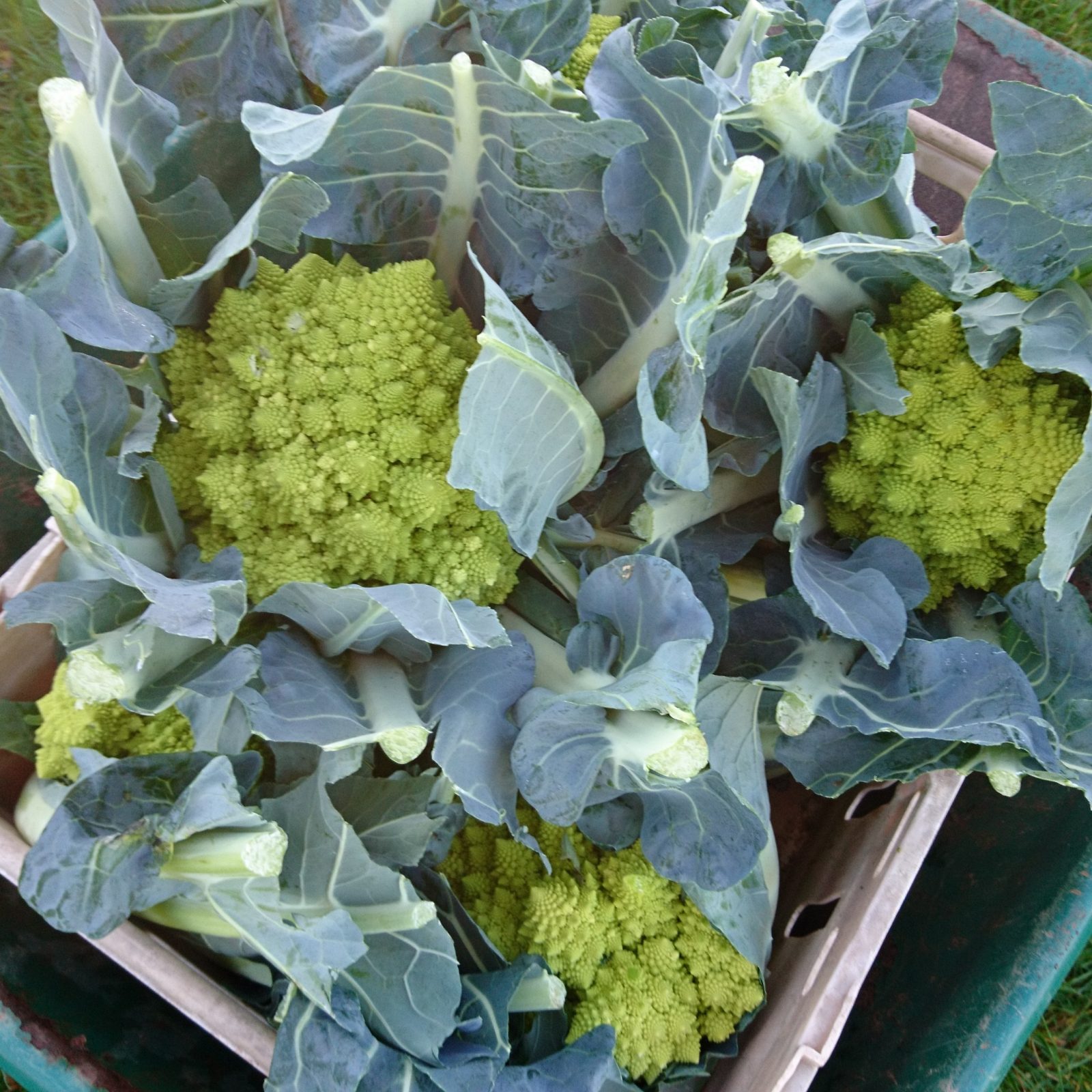
Romanesco cauliflower isn’t just about good looks. It has a sweet, nutty taste somewhere between broccoli and cauliflower, is full of fibre and rich in nutrients.
This quick and simple roasting method, using lemon zest rather than spices, emphasises its flavour. The recipe’s from veggie-mad Lizzie Streit at It’s a Veg World After All.
Serves: 2
Preparation time: 5 minutes
Cooking time: 20 minutes
Ingredients
1 romanesco cauliflower head
2 tbsp extra virgin olive oil
6 cloves garlic, finely chopped
2 tsp lemon zest plus a little more, to taste
sea salt and ground black pepper
Method
Preheat oven to 225C / Mark 7. Line a baking sheet with parchment paper. Place florets on the parchment paper and drizzle with olive oil and crushed garlic. Mix everything around with a spatula. Grate the lemon zest over and sprinkle with sea salt and pepper.
Bake for 20 minutes, or until tender and browned. Serve warm, topped with more lemon zest to taste.
More ways to love your veg on our recommended recipes page – nearly 400 to try!
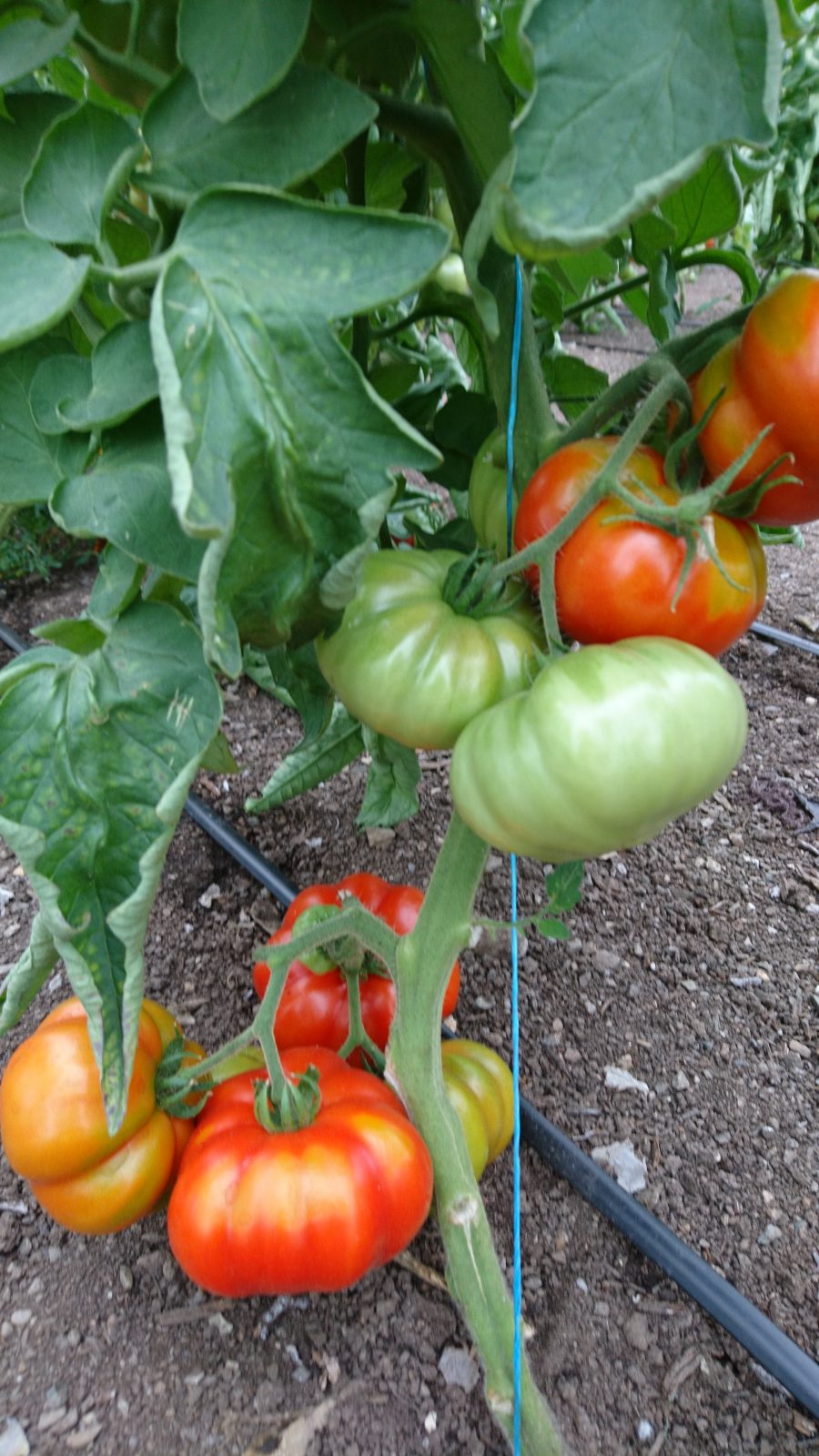
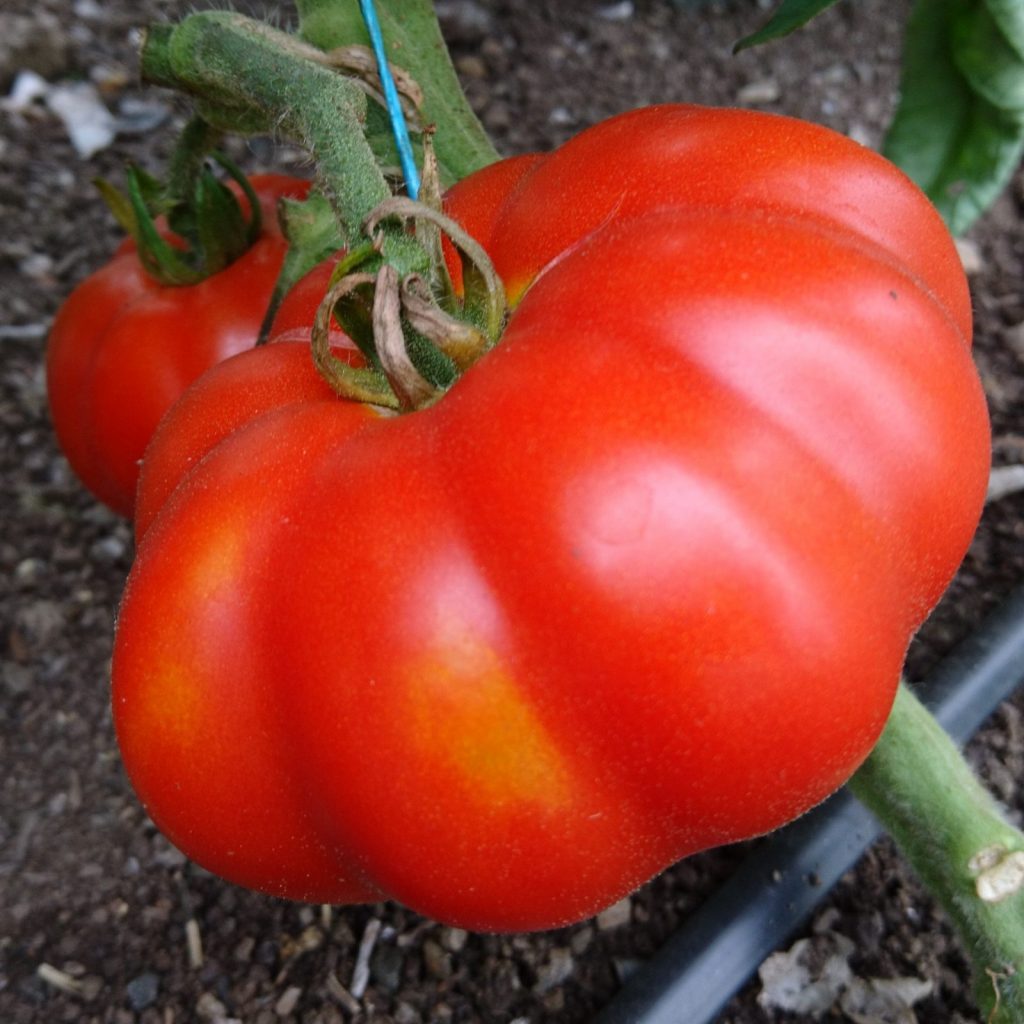
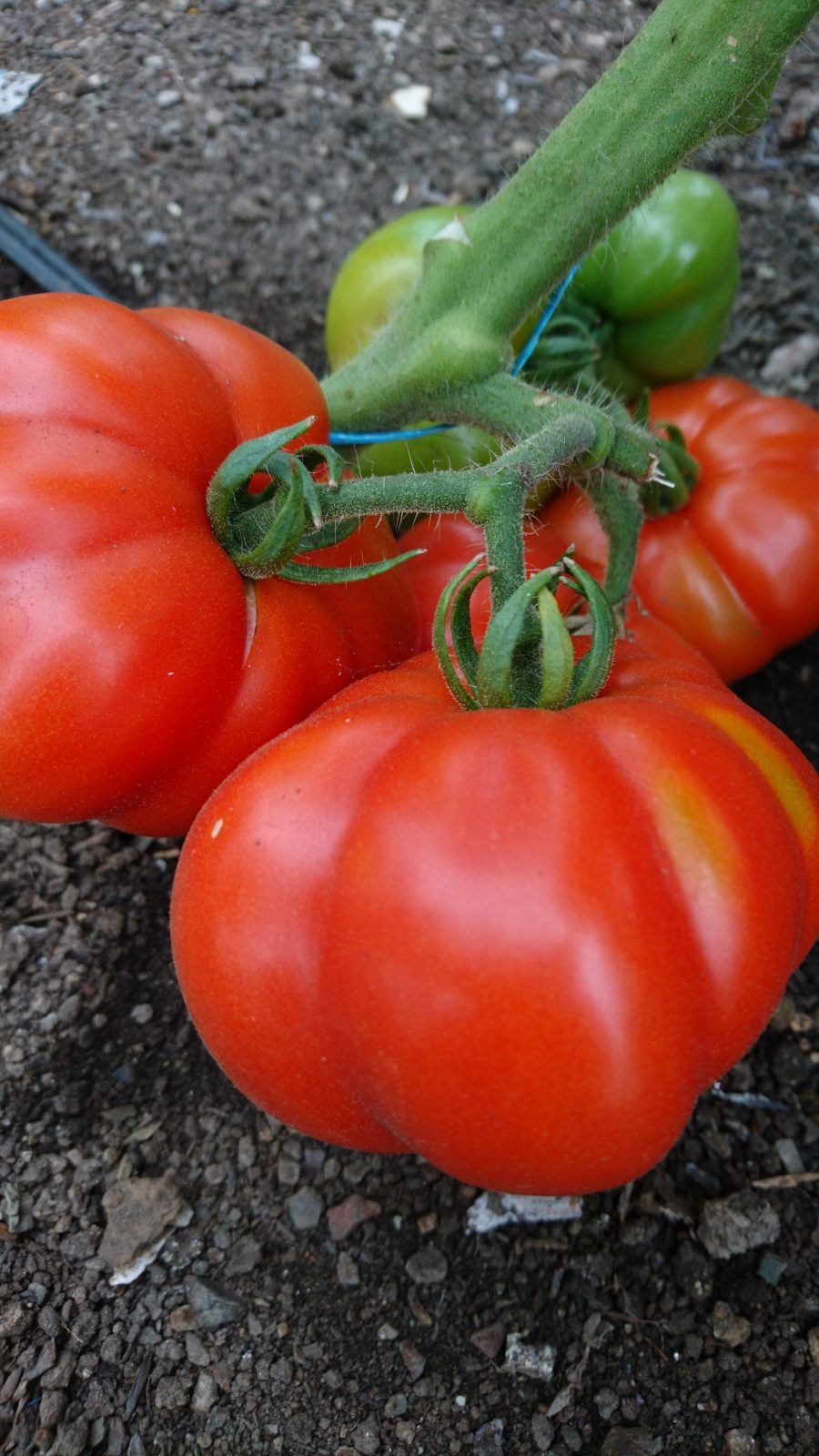
We’ve got so many tomatoes in our weekly veg boxes at the moment. They’re incredibly flavoursome as they come freshly picked straight from the vine and unlike supermarket tomatoes haven’t been been kept in cold storage.
Catalan pan con tomate and Italian bruschetta al pomodoro are gorgeous, garlicky versions of tomatoes on toast. They bring out the full flavour of these delectable fruits and are a doddle to put together. Great for a starter or a snack at any time of the day.
Both these recipes serve one (just scale the ingredients up as many times as you like) and take barely 5-10 minutes to prepare. Easy!
Bruschetta al pomodoro
1 slice of toasted sourdough or ciabatta
1 tomato
1 garlic clove
sea salt
good-quality olive oil
basil leaves
Cut the garlic clove in half and rub the cut side on the rough surface of the toast. Chop the tomato into a bowl, tear in some basil leaves, sprinkle with salt, add a glug of olive oil, then let it rest for a few minutes before piling it on to the garlicky toast.
Pan con tomate
1 slice toasted sourdough bread or pan de cristal
1 tomato
1 garlic clove
sea salt
good-quality olive oil
Cut the garlic clove in half and rub the cut side on the rough surface of the toast. Grate the tomato on the coarse-toothed side of a grater into a bowl. Stir in a good glug of olive oil and some salt, then spoon the tomato mixture over the garlicky toast.
We have such tasty tomatoes and basil in our weekly veg boxes. It’s important to keep both out of the fridge to conserve their full flavour.
Originally from the Italian island of Capri, this salad needs to be made with the best ingredients and kept very, very simple. We recommend this version from Felicity Cloake in the The Guardian.
Serves 4 (with bread)
Preparation time: 5 minutes + 15 minutes resting time
Ingredients
About 600g tomatoes of different shapes and sizes, including some slightly under-ripe or more acidic varieties
Extra virgin olive oil
250g buffalo mozzarella
Small bunch of basil, preferably with smallish leaves
Method
Cut the tomatoes into different sized slices and chunks depending on their size and shape – large craggy fruit often looks better cut into cross sections. Cut out the core if it looks chewy. Put into a bowl and sprinkle with sea salt, leave to sit for 10 minutes, then add 1 tbsp extra virgin olive oil and gently toss with a couple of spoons.
Arrange the tomatoes on a platter, spooning over their juices. Tear the mozzarella over the top, and scatter with torn basil leaves. Drizzle with more oil and season with a little more salt. Serve.

We have some of those candy-striped ‘Chioggia’ heritage beetroot in this week’s veg boxes. They have a sweet and tender flesh which is more fun eaten raw, as cooking eradicates the stripes. This salad, made with lemon, is recommended by Shillingford Organics near Exeter in Devon. It’s also good if you add a little orange juice and honey as well.
Unless you’re unable to slice the beets extremely thinly, cut them into matchsticks or grate them instead. Unlike conventional beetroot, they won’t bleed!
Serves: 4
Preparation: 10 minutes
Ingredients
2-3 Chioggia beets, depending on their size
salt and freshly cracked pepper
juice from 1 small lemon, about 2-3 tbsp
2 tsp olive oil
1/4 tsp mustard (grainy is good)
Method
Scrub the beets really well. Slice off the tops and trim the roots. Slice the beets as thin as possible. This is easiest if you use a mandoline.
Arrange the slices into a serving bowl, lightly seasoning them with salt and pepper as you go along. Combine the lemon juice, oil and mustard in a small jar with lid and shake well. Drizzle over the beet slices and serve.

Want something different to make with the glut of courgettes in your weekly veg box? This simple sponge loaf is recommended by Camel CSA expert grower Bridget Gould. It’s taken from BBC Good Food, which says: “The hidden veg keeps it moist and walnuts add crunch.”
Serves: 8
Preparation: 15 minutes
Cooking: one hour
Ingredients
butter, for the tin
2 large eggs
125ml vegetable oil
85g soft brown sugar
350g courgettes, coarsely grated
1 tsp vanilla extract
300g plain flour
2 tsp cinnamon
1/4 tsp nutmeg
1/2 tsp bicarbonate of soda
1/2 tsp baking powder
85g walnuts, roughly chopped
140g sultanas
Method
Heat oven to 180C/160C fan/gas 4. Butter and line a 2lb loaf tin with baking parchment. In a large bowl, whisk the eggs, oil and sugar, then add the courgettes and vanilla.
In another bowl, combine the remaining ingredients with a pinch of salt. Stir the dry ingredients into the wet mixture, then pour into the tin. Bake for 1 hr, or until a skewer inserted into the centre comes out clean. Leave to cool, then serve, or freeze for up to 1 month.
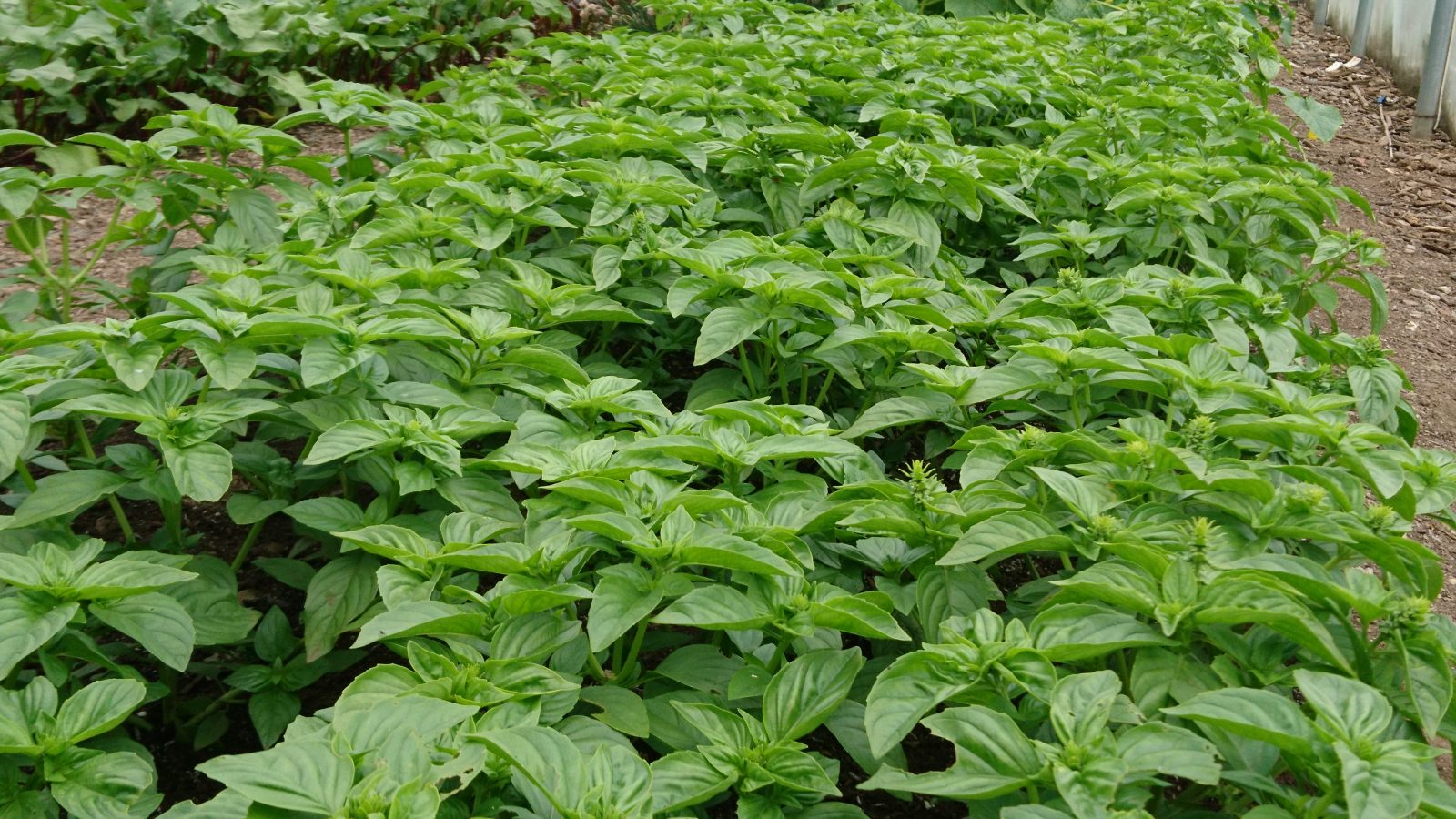
In hot weather I never feel like cooking. But we have to eat! This couldn’t be easier, and uses basil from Camel CSA’s weekly veg boxes. It’s another summer dish from the Observer Food Monthly‘s 20 Best Recipes and is taken from River Café 30 by Ruth Rogers, Rose Gray, Sian Wyn Owen and Joseph Trivelli.
Serves: 6 (as a starter or light lunch)
Preparation and cooking time: 10 minutes
Ingredients
250g spaghetti
juice of 3-4 unwaxed lemons
150ml olive oil
150g parmesan, freshly grated
2 handfuls fresh basil leaves, finely chopped
finely grated lemon zest, optional
Method
Cook the spaghetti in a generous amount of boiling salted water, then drain thoroughly and return to the saucepan.
Meanwhile, whisk the lemon juice with the olive oil, then stir in the parmesan – it will melt into the mixture, making it thick and creamy. Season with sea salt and black pepper and add more lemon juice to taste.
Add the sauce to the spaghetti and shake the pan so that each strand of pasta is coated with the cheese. Finally, stir in the chopped basil and, ideally, some lemon zest.
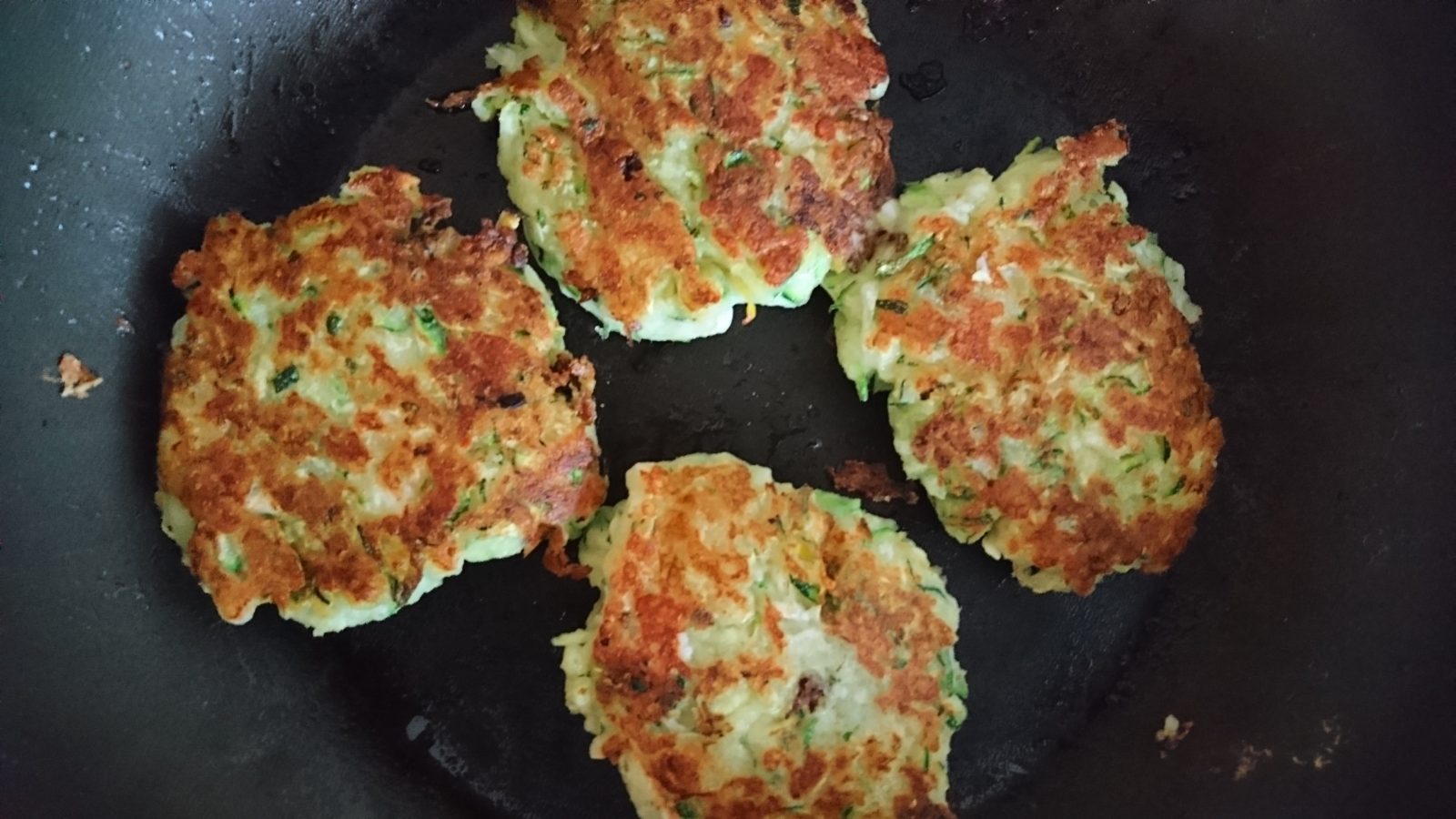
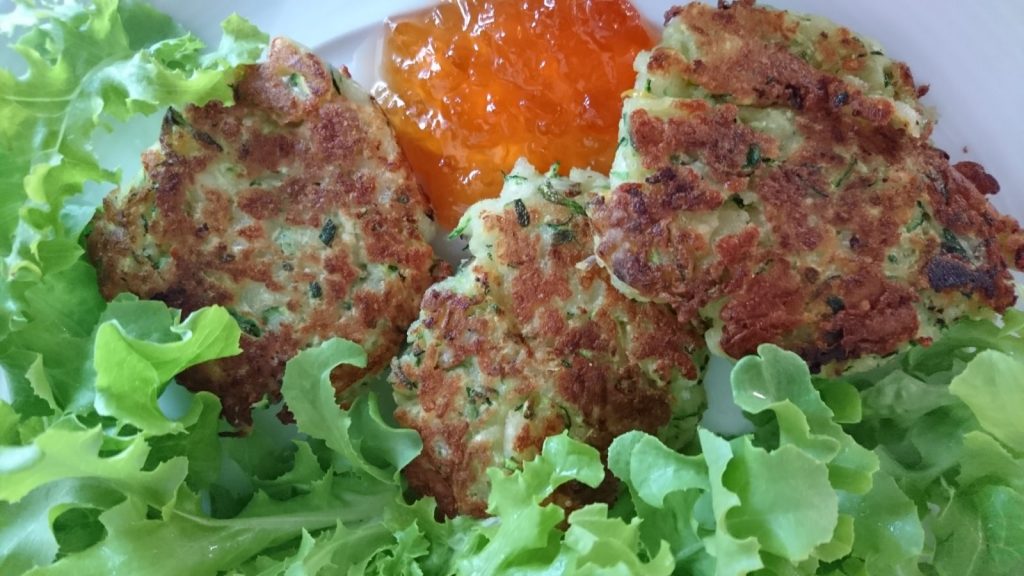
This is a surprisingly tasty courgette fritter recipe that doesn’t contain any eggs. It’s from the Modern Cook vegetarian series in The Guardian. Anna says: “If you are vegan, you can replace the halloumi with two more courgettes.”
As there was some Camel CSA chilli and crab apple jelly left over in my fridge, I didn’t need to make the chilli jam.
Serves 4 (makes 16 fritters)
Preparation: 10 minutes
Cooking time: 20 minutes
Ingredients
3 medium courgettes (about 400g)
1 packet halloumi (about 225g)
100g rice flour
100g plain or white spelt flour
1 tsp baking powder
1 pinch dried oregano
Zest and juice of 1 lemon
Olive oil
Salad leaves, to serve
For the chilli jam
6 red chillies, finely sliced
6 tbsp red-wine vinegar
5 tbsp sugar
1 small bunch mint, leaves picked and finely chopped
Method
Put all the chilli jam ingredients into a small pan and bring to a simmer for five to eight minutes, until the liquid has thickened and the chillies are soft and sticky.
Grate the courgette and halloumi. Mix the flours, baking powder, oregano and lemon zest in a large bowl. Add the grated courgette and halloumi, and mix well. Season well with salt and black pepper. If your batter looks too dry add a little milk or water until it is spoonable.
Heat a large heavy-based frying pan on a medium heat and add a generous drizzle of olive oil. Next add the batter – about two tablespoons for each fritter – and fry for a couple of minutes, until the edge is well-set, then flip and cook for another couple of minutes. Keep going until all your batter is used up – keep the cooked fritters warm in a low oven.
Serve with the chilli jam and salad leaves dressed with the lemon juice. Leftover fritters keep well in the fridge for several days – reheat in a 180C/350F/gas 4 oven for about 10 minutes. They’re also delicious cold!
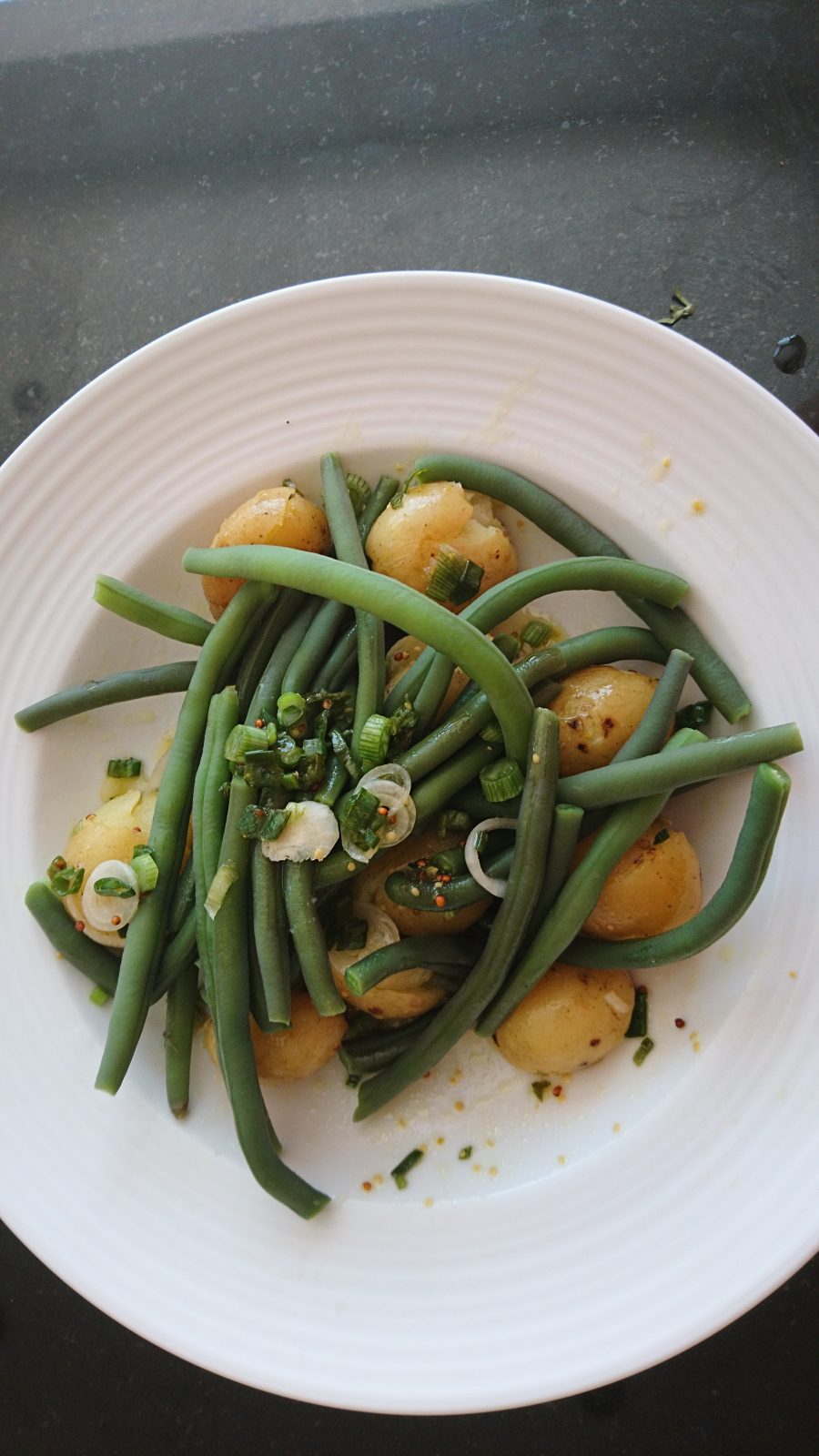
This has to be one of the best and easiest salad combos I’ve tried for a while. The lovely purple French beans in Camel CSA’s weekly veg boxes turn green when cooked. They look and taste beautiful in this healthy recipe from BBC Good Food magazine.
Serves: 6
Preparation time: 10 minutes
Cooking time: 8 minutes
Ingredients
500g medium new potatoes, thickly sliced
200g green bean, trimmed
For the dressing
1 tbsp lemon juice
1 tsp clear honey
1 tsp wholegrain mustard
3 tbsp olive oil
4 spring onions, thinly sliced
Method
Boil potatoes in salted water for 8 mins until just tender, then drain and keep warm (they will absorb the dressing better than cold potatoes). Meanwhile, steam the beans in a steamer over the potatoes for 4 mins. Keep a close eye on them as you want them to be just tender rather than soft. Cool the beans under the cold tap to keep their colour.
Mix the dressing ingredients in a bowl. Add the warm potatoes and beans, and toss really well to coat in the dressing.